
October 2, 2026
This 7 day backpacking meal plan helps you map trail breakfasts, lunches, dinners, and snacks with enough calories, lower pack weight, and simpler prep.
This 7 day backpacking meal plan helps you map trail breakfasts, lunches, dinners, and snacks with enough calories, lower pack weight, and simpler prep.
This article treats trail food like a logistics problem, not a lifestyle aesthetic. The right 7 day backpacking meal plan should balance calorie density, pack weight, preparation method, and how tired you will actually be at camp.
It is designed for hikers planning a week on trail who need a backcountry meal plan that feels light enough to carry, calorie-dense enough to support movement, and simple enough to execute when weather or fatigue hits.
In practice, 7 day backpacking meal plan works best when the week is organized before appetite, fatigue, or schedule stress start making decisions for you. That is where meal plan calendar and meal and grocery planner help: they make the structure visible before the grocery trip.
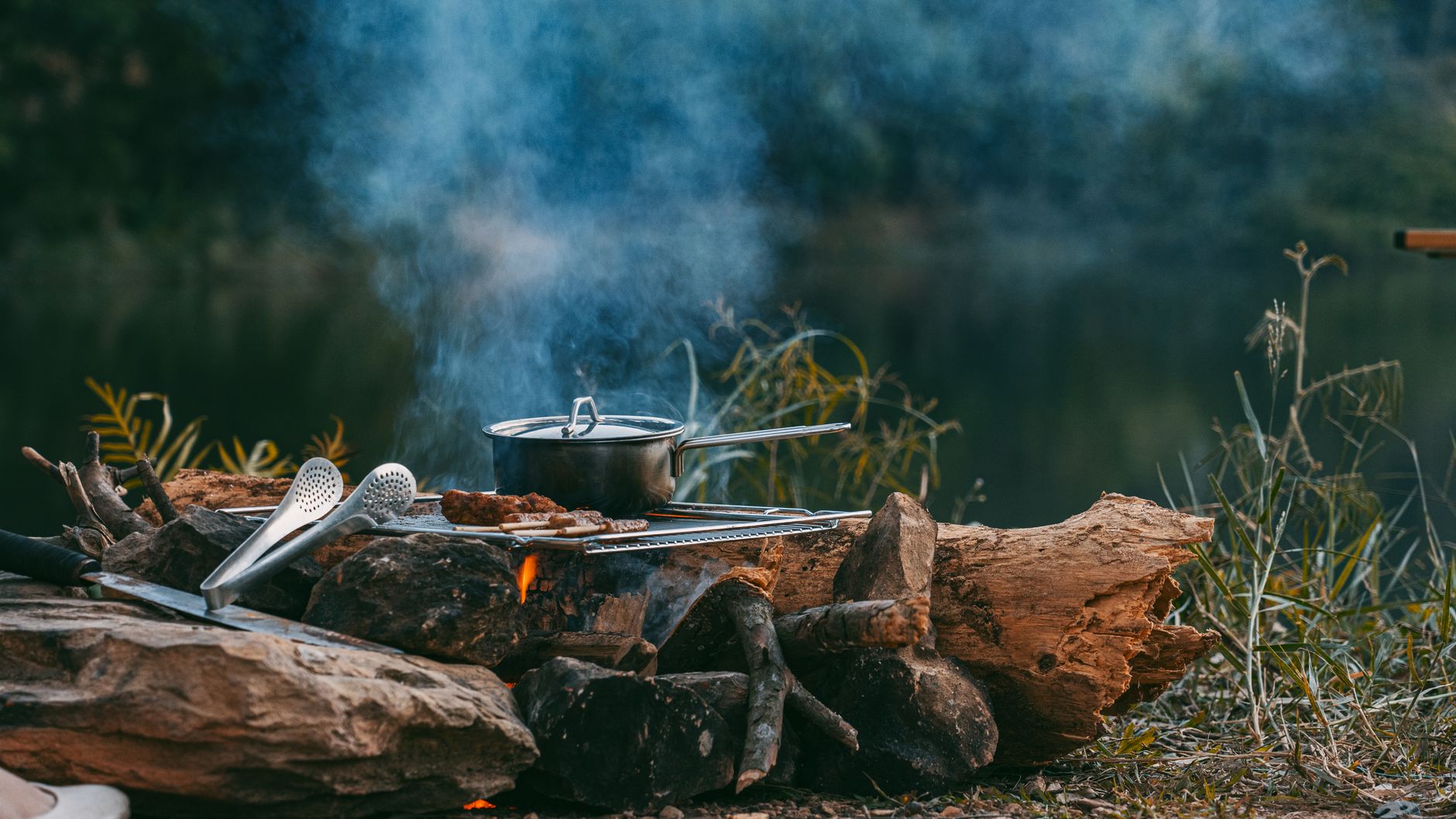
Breakfast can be oatmeal packets with dried fruit, lunch tortillas with tuna packets and cheese, dinner pre-portioned rice noodles with dehydrated vegetables and chicken, and snacks nuts, bars, and jerky.
Day one can carry slightly bulkier food because starting pack weight is still highest and you may still have fresh components.
Breakfast can be instant oats with powdered milk, lunch peanut butter wraps and trail mix, dinner couscous with olive oil and salmon packet, and snacks gummies, nuts, and dried fruit.
This is where a 7 day hiking meal plan starts leaning harder on calorie density and less on perishability.
Breakfast can be granola with powdered yogurt, lunch bars plus tortillas with nut butter, dinner instant potatoes with jerky and soup mix, and snacks chocolate, nuts, and dried mango.
A backcountry meal plan should make lunch nearly effortless, because most hikers under-eat when midday stops feel inconvenient.
Breakfast can be instant oats again, lunch crackers with hard cheese and salami, dinner ramen upgraded with tuna or chicken and dehydrated vegetables, and snacks bars and electrolyte drink mix.
Warm salty food matters more than variety after a rough weather day. Good backpacking food ideas account for morale as well as macros.
Breakfast can be granola or cereal, lunch wraps with shelf-stable fillings, dinner instant rice with beans and olive oil, and snacks trail mix, fruit leather, and candy.
Trail meal prep pays off here because every meal should already be portioned and simple enough to make with low attention.
Breakfast can be oatmeal with extra nuts, lunch bagels or tortillas with nut butter, dinner pasta side dish with added protein, and snacks dense bars plus electrolyte mix.
This is the kind of day where the backpacking food plan needs obvious carb-heavy options instead of aspirational health-food minimalism.
Breakfast can be whatever remains from oats or granola, lunch leftover snack assortment, dinner a final easy camp meal or town food depending on route timing, and snacks everything still worth carrying.
The last day should intentionally burn through leftovers so the system gets lighter instead of more disorganized as the trip ends.
One reason people abandon backpacking food plan is that they try to build seven unique days from scratch. A better approach is to decide what repeats, what gets prepped, and which meal can absorb leftovers.
Repackage everything before departure. The best backcountry meal plan usually relies on smaller zip bags, labeled dinners, and snack bundles separated by day or mileage block.
Use olive oil, nut butter, nuts, cheese, tortillas, couscous, ramen, instant potatoes, and bars strategically because they deliver a lot of energy without a lot of weight.
Plan one morale-boost food each day. A small dessert, salty snack, or favorite breakfast can do more for adherence than trying to make every item perfectly optimized.
For adjacent planning examples, camping meal plan and frugal meal planning show how the same weekly logic can be adapted without rebuilding your whole grocery system from scratch.
The main reason 7 day hiking meal plan succeeds or fails is not usually nutrition knowledge. It is whether the hardest part of your day already has a default meal. If breakfast is rushed, simplify breakfast. If lunch away from home keeps collapsing, make that the meal that gets leftovers or the most portable option.
This is also where backpacking food ideas becomes more useful than a list on paper. A weekly plan only becomes real when you can see what gets bought, what gets prepped first, and what counts as a fallback meal on a chaotic day. The clearer those answers are, the easier it is to repeat the system without negotiating with yourself every evening.
Most importantly, treat trail meal prep like a repeatable operating model rather than a one-week challenge. If one dinner format, one lunch, and one snack pattern keep working, keep them. Stability is usually more valuable than constant novelty.
That is also why 7 day backpacking meal plan should be reviewed at the end of the week, not just admired at the beginning. Ask which meal pattern felt easiest, which grocery item got wasted, and which part of the routine created the most friction. Small answers to those questions usually improve the next week more than a full rewrite does.
When the structure survives a messy day, it is usually a sign the plan is built well enough to repeat. That matters more than whether every meal looked perfect on paper.
If you need one shortcut, make it this: decide tonight what tomorrow's hardest meal will be. Then make sure that meal already has ingredients, a fallback option, and a realistic portion plan. That single adjustment improves adherence more than chasing an entirely new set of recipes every week.
Good plans also leave room for ordinary substitutions. Swapping one protein, grain, fruit, or snack should not break the whole system. The easier it is to recover from small changes, the more likely the plan is to stay useful beyond one unusually disciplined week.
A lot of backpacking content obsesses over lightweight gear but underestimates how easy it is to underfuel. On trail, the real failure mode is often not poor menu variety but simply not consuming enough calories when tired.
Another common miss is food texture fatigue. Even the most efficient backpacking food ideas get miserable if every meal is dry, sweet, or mechanically identical. Keeping one or two comfort meals helps more than people expect.
Those practical issues matter just as much as the theory from REI backpacking food planning guide and NOLS backpacking food planning. A plan only works if normal weekdays, imperfect timing, and realistic appetite still fit inside it.
That is also why 7 day hiking meal plan and backcountry meal plan should be evaluated in real life rather than on paper alone. If one meal keeps breaking down, simplify that pressure point before changing the entire plan.
When the planning part starts feeling too manual, PlanEat AI on the App Store can keep the week organized around your preferences instead of forcing you to rebuild the same structure from scratch every few days.
7-Day Backpacking Meal Plan: Trail Food Guide 2026 works best when the plan is clear enough to repeat and flexible enough to survive a normal week.
It depends on size, terrain, pace, and weather, but most hikers need substantially more calories than a normal home week and often underestimate that gap.
Tortillas, nut butter, tuna packets, hard cheese, trail mix, bars, and other no-cook foods usually work best because they save time and effort midday.
Pre-portion each dinner and snack block before the trip, label days, and remove bulky retail packaging so camp decisions stay minimal.
Bringing food that looks healthy on paper but is too low in calories, too inconvenient to eat, or too repetitive to finish after several hard days.
7-Day Backpacking Meal Plan: Trail Food Guide 2026 works best when the plan is clear enough to repeat and flexible enough to survive a normal week.