October 1, 2026
This camping meal plan gives you a practical 3-day menu, make-ahead prep, cooler order, food-safety tips, easy camp dinners, and a smart grocery list.
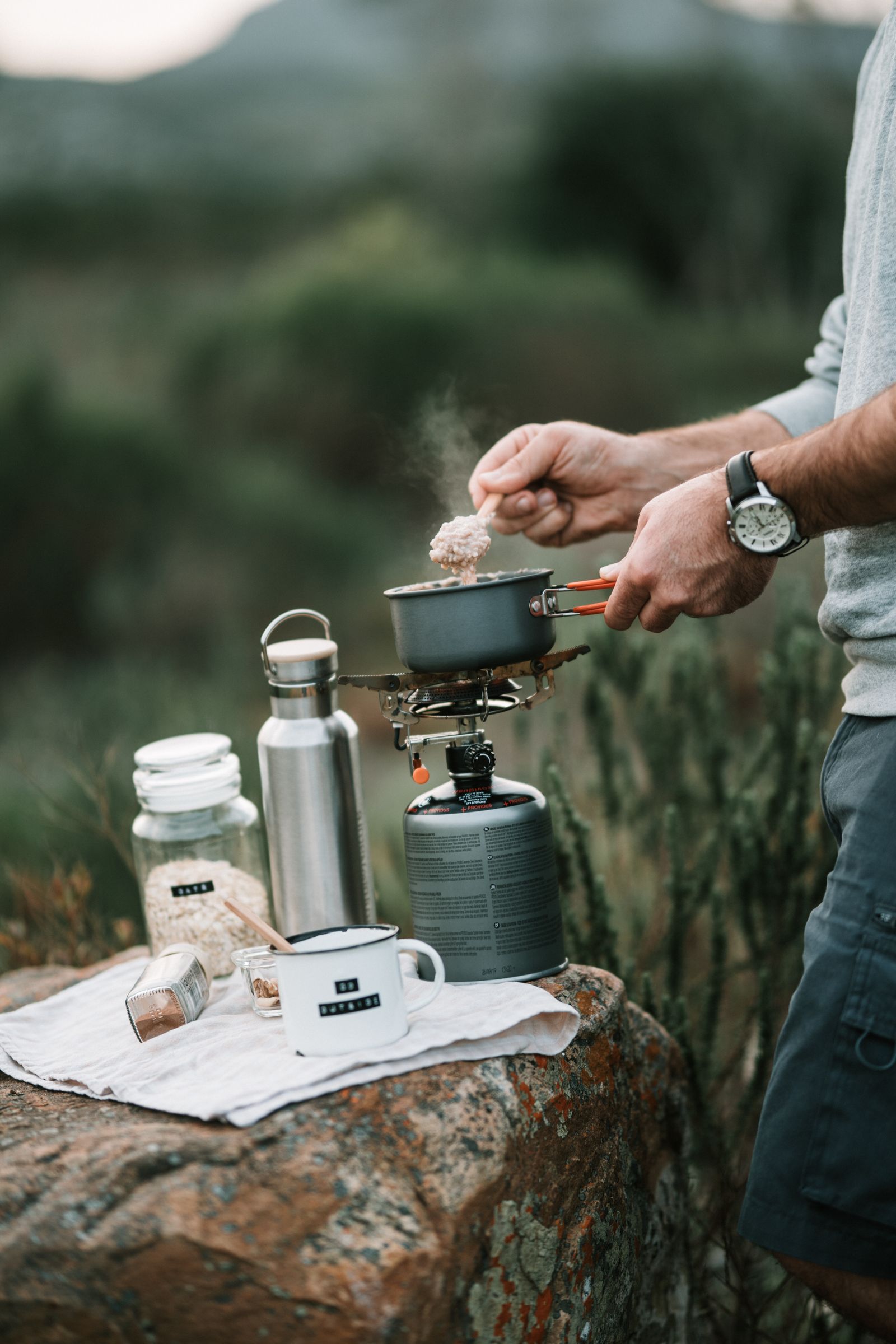
A camping meal plan works best when it is realistic about your gear, your cooler space, and your patience after a long day outside. For most frontcountry or car-camping trips, the sweet spot is a short menu with easy breakfasts, portable lunches, one or two hot dinners, and a backup meal for the night when everyone is hungry and nobody wants to do dishes in the dark.
This guide gives you a practical 3 day camping meal plan, a repeatable prep system, a camping grocery list, and the food-safety rules that matter most once you are away from the store. It is built for camping with a cooler, camp stove, or fire grate, not ultralight backpacking where weight changes everything.
Most camping food problems are not about recipes. They are about friction. People bring too many ingredients, too many one-off condiments, or meals that sound fun at home but feel ridiculous after setting up camp, chasing kids, or coming back dusty and tired from a trail.
The current top-ranking pages for this topic all lean on the same structure: day-by-day menu ideas, prep tips, and a grocery list. That is the right format because campers do not just want inspiration. They want a system. Where many of those pages stay vague is cooler order, perishables timing, and how to keep the last day from becoming “chips plus random cheese.” Those details are exactly what make a meal plan hold up in real life.
If you want a broader travel-food framework too, Vacation Meal Planning: Easy Food Strategy for Trips pairs well with this guide because camping is really one version of trip planning with fewer safety nets and more dirt.
Not every camping trip should eat the same way.
The National Park Service recommends consolidating meals when possible, prioritizing dry foods when weight matters, and eating foods that need to stay cold earlier in the trip. REI also notes that rough meal planning should account for the days when you may not want to cook at all. That is the practical lens to use here: plan for your tired self, not your fantasy camp-chef self.
This sample menu assumes a cooler, a camp stove or grate, and a typical weekend trip.
Why it works: arrival day is where overly ambitious cooking goes to die. A good first-night meal should heat fast, use prepped ingredients, and leave you with almost no cleanup. This is one of the easiest easy camping meals because most of the work can happen before you leave home.
Why it works: this is the day for one warm dinner that feels a little more substantial. Keep it to one pot or one skillet. The National Park Service specifically calls out consolidation as an easier cleanup strategy, and that matters more than people expect once the sun drops and the dishwater situation gets annoying.
Why it works: the last day should clean out the cooler and use what travels well. If you are doing a higher-output trip, REI suggests thinking in terms of days when you may want a no-hassle dinner and a bit of extra food rather than cutting it too close.
A useful camping grocery list is grouped by how you pack and use it, not just by grocery-store aisle.
This is where Zero-Waste Meal Planning (2026) becomes surprisingly relevant. The same overlap logic that saves food at home makes a weekend campsite easier too.
The best make ahead camping meals reduce tasks at camp, not just ingredients in your bag.
If weekly planning at home already feels chaotic, Meal Planning Basics: How to Start and Meal Planning Routine That Sticks (2026) help build the same “prep once, think less later” habit before you ever get to the campsite.
This is the part many camping meal guides underplay. The National Park Service recommends eating colder, more spoilable foods first, keeping food contained, and staying organized so animals and bacteria do not get invited to dinner.
If you are camping in wildlife-heavy areas, the NPS guidance on cooking in camp and what to bring for camping is worth reading before you pack. For higher-output or backcountry-style food quantities, REI's backpacking food ideas and meal planning guide is useful, especially its benchmark of roughly 1.5 to 2.5 pounds of food per person per day for strenuous trips.
When the meal ideas are easy but turning them into an actual menu still feels like admin work, Build your weekly plan in PlanEat AI and use it to turn your trip length, food preferences, cooking effort, and grocery needs into a grouped plan you can actually shop from. That is a much easier system than rebuilding the same weekend from scratch every time.
If you want more low-effort fallback ideas, Emergency Meals for Busy Nights (2026) is surprisingly useful here too, because a campsite still has low-energy nights.
A strong camping meal plan keeps meals simple, uses perishables early, and gives every leftover a job before it becomes cooler clutter.
Bring a mix of cooler foods for day one and day two, plus dry foods and backup meals for later. A solid camping food list for 3 days usually includes one or two proteins, breakfast basics, portable lunches, snacks, and one emergency dinner.
The best easy camping meals are one-pot chili, skillet tacos, burrito bowls, wraps, pasta, instant oatmeal, and assembly-style lunches. The fewer pans and utensils involved, the better the meal works at camp.
Chili, taco meat, chopped vegetables, pasta salad, breakfast burrito fillings, snack bags, and sauces all travel well. The best make ahead camping meals are the ones that turn camp cooking into reheating or fast assembly.
Pack the cooler by order of use, keep perishable foods sealed, use frozen bottles or jugs for extra cooling, and eat the most delicate foods first. Follow the storage rules for your campground, especially in bear country.
You can use the structure, but backpacking usually needs lighter, drier, more calorie-dense foods. For backpacking, reduce fresh ingredients, increase shelf-stable items, and plan for fuel, water access, and higher calorie burn.
A strong camping meal plan keeps meals simple, uses perishables early, and gives every leftover a job before it becomes cooler clutter.