October 1, 2026
Use this 2100 calorie meal plan to structure your week: daily menus, macro targets, grocery staples, and flexible swaps for maintenance or fat loss goals.
A 2100 calorie meal plan works best when it gives you enough food to stay consistent without turning the week into macro homework. For many adults, 2100 calories lands around maintenance or a small deficit, so the practical goal is balanced meals, repeatable portions, and a grocery list that still makes sense on Thursday.
A 2100 calories a day meal plan can mean different things depending on body size, activity, and goals. For some women it is close to maintenance. For some men it creates a moderate deficit. For active people it can sit between a fat-loss structure and a lighter maintenance week. That is why the best version is not a rigid prescription. It is a framework you can repeat and then adjust with real feedback.
The top-ranking pages all give meal examples and calorie totals, which is useful, but they often skip the boring part that actually decides adherence: whether the plan still works when your workday runs late or your grocery energy disappears. Cooking is not the hard cardio. Deciding over and over again is.
If you already know 1900 leaves you too hungry or 2200 feels a little loose, compare the rhythm in this 1900 calorie meal plan guide and this 2200 calories flexible diet plan before changing everything at once.
There is no perfect split, but most people do well starting with enough protein to make the plan filling, enough carbs to keep energy steady, and enough fat that meals still feel normal.
This range is a practical default, not a medical instruction. The USDA MyPlate Plan is a solid baseline for meal balance if fullness, nutrient coverage, and plate structure are your main concerns.
If your appetite is unusually high, shift protein higher first before you start stripping carbs. A 2100 calorie high protein meal plan is often easier to follow than a low-protein version with the same calories because satiety is better and snack drift is lower.
This sample week uses breakfast, lunch, dinner, and one snack most days. Totals are approximate, so swap foods within the same structure instead of treating each calorie number like courtroom evidence.
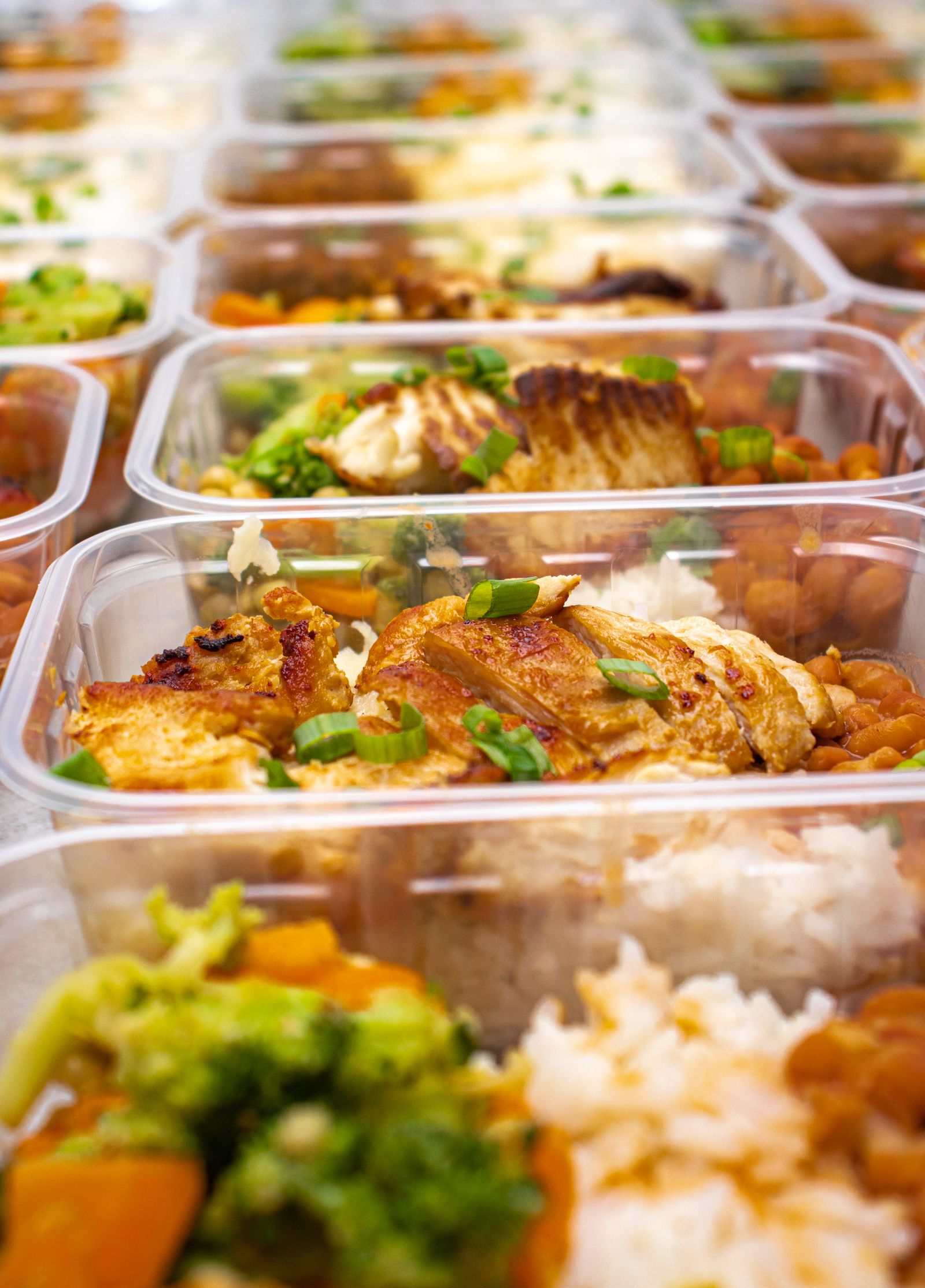
The most useful thing the competitors only partly cover is ingredient overlap. A plan fails less often when you intentionally reuse the same proteins, carbs, sauces, and vegetables across different meals. That means one grain base can become a rice bowl, a salad add-in, and a quick side. One protein batch can cover lunch and dinner. One yogurt-based sauce can rescue dry leftovers and lazy lunches.
If you want the structure without doing all the math manually, PlanEat AI on the App Store can turn your calorie target, preferences, and cooking time into a weekly menu with recipes, a grouped grocery list, and quick swaps when the week changes.
For a broader planning system, this meal planning basics guide shows how to connect one weekly template to a bigger routine instead of starting from zero every Sunday.
A simple 2100 calorie meal plan works better when the grocery list repeats ingredients on purpose. You are not shopping for seven unrelated moods.
If appetite control is part of the goal, pair this with this high-fiber grocery list so the week is not technically on-plan but strangely unsatisfying.
This is another place the generic meal-plan pages usually miss. If 2100 feels a little high, remove 100 to 150 calories from snacks, sauces, or starch portions before you touch the main structure. If it feels a little low, add calories around training or increase lunch and dinner carbs. You do not need to panic-edit breakfast because Thursday felt off.
The NHLBI DASH eating plan is useful here because it treats healthy eating like a repeatable system instead of a one-week stunt. If your bigger issue is energy and consistency rather than calorie precision, what to eat on low-energy-days is the better companion read.
A useful 2100 calorie plan is not seven random healthy meals. It is one repeatable week with enough protein, enough carbs to stay functional, and enough overlap that dinner does not become a fresh negotiation every night.
Yes, if 2100 is below your maintenance intake. For some people it creates a moderate deficit, while for others it is closer to maintenance. Track your trend for 2 to 3 weeks before changing the target.
A practical starting range is about 130 to 170 grams per day, spread across meals and snacks. That usually makes the plan more filling and easier to follow.
Either can work, but most busy adults find 3 meals plus 1 or 2 planned snacks easier to sustain because it lowers decision fatigue.
Increase protein, fiber, and meal volume first, then review sleep, stress, and activity. If hunger stays high consistently, 2100 may still be too aggressive for you.
Yes. Use tofu, tempeh, beans, lentils, eggs, Greek yogurt, and cottage cheese while keeping the same overall calorie and protein structure.
A useful 2100 calorie plan is not seven random healthy meals. It is one repeatable week with enough protein, enough carbs to stay functional, and enough overlap that dinner does not become a fresh negotiation every night.