October 1, 2026
Use this gluten free meal plan to build a safe, balanced week with simple meals, label-reading tips, cross-contact basics, and practical grocery prep.
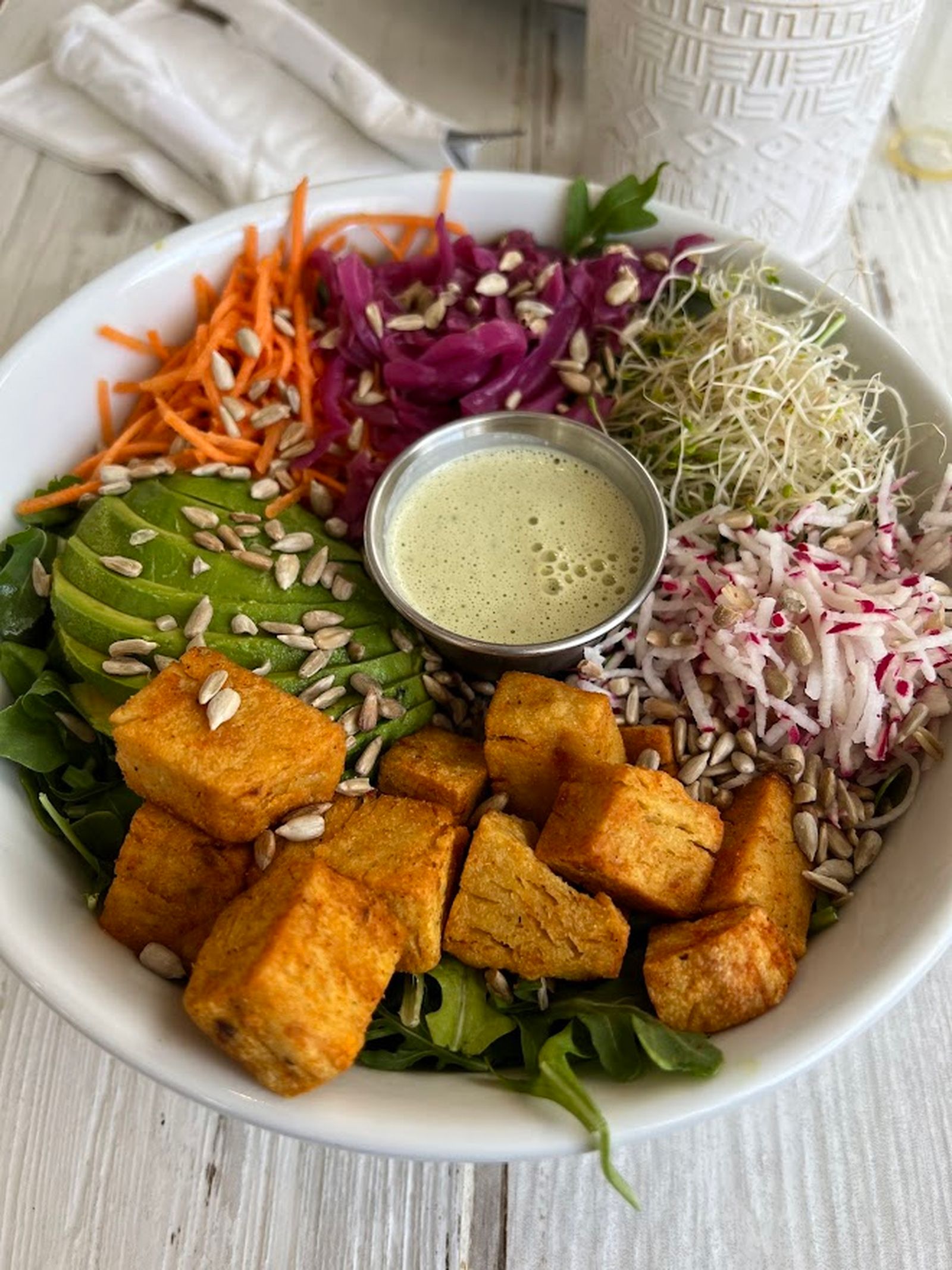
Gluten free meal plan advice works best when it starts with safety, not trendiness. If you need to avoid gluten because of celiac disease or another gluten-related condition, the goal is to build a week around naturally gluten-free staples, learn where hidden gluten shows up, and make meals simple enough that you do not end up hungry, stressed, or guessing at labels every night.
This guide gives you a practical gluten free diet meal plan, plus the parts competitors repeat for good reason: what to avoid, what to eat, how to handle cross-contact, and how to plan a realistic week without living on expensive specialty products.
This article is for people who need structure, not gluten-free perfection theater. A gluten free meal plan is most important for people with celiac disease, non-celiac gluten sensitivity, gluten ataxia, or a wheat allergy that requires major food changes. Healthline and NIDDK both emphasize the same first principle: gluten avoidance is medically necessary for some people, but it is not automatically a healthier default for everyone.
NIDDK also notes that if you suspect celiac disease, you should talk with a clinician before cutting gluten out entirely, because testing can be less accurate once gluten is gone from your routine. That is why this guide focuses on practical execution after the decision is medically clear, not on treating gluten-free eating like a casual wellness upgrade.
If you want the meals themselves to stay balanced while you make the switch, Healthy Eating Basics: Build a Balanced Plate gives you a simple protein-produce-carb pattern that works well inside a gluten-free week too.
The obvious gluten sources are wheat, barley, and rye. In real life, the trickier part is everything built from them or flavored with them. Malt, standard soy sauce, many marinades, some soups, breaded proteins, bakery snacks, and processed convenience foods are common problem areas.
FDA labeling rules are helpful here. In the United States, foods labeled gluten-free must meet the FDA standard of less than 20 parts per million of gluten. That standard lowers guesswork, but it still does not replace reading labels, especially when a product uses unfamiliar starches, seasonings, or flavorings.
Oats need special attention. Oats themselves do not naturally contain gluten, but both NIDDK and the Celiac Disease Foundation warn that cross-contact during harvesting and processing is common. If oats are part of your breakfast rotation, buy certified gluten-free oats rather than assuming any tub on the shelf is safe.
The easiest way to build a sustainable week is to start with gluten free foods to eat that are naturally simple and widely available. That means proteins, produce, gluten-free grains, potatoes, dairy if tolerated, nuts, seeds, legumes, and a few reliable packaged backups.
EatingWell's beginner guide makes another useful point: the safest foundation is still whole foods, not an all-day parade of gluten-free replacement products. That matters for both nutrition and budget, because gluten-free breads, crackers, and snack bars are often more expensive and not always more filling.
This sample week is built for overlap, which makes gluten free meal prep much easier. You will reuse cooked rice, roasted vegetables, yogurt, eggs, fruit, and one or two sauces instead of buying a different specialty ingredient for every meal.
Breakfast: Greek yogurt with berries, chia seeds, and certified gluten-free granola.
Lunch: Quinoa salad with cucumber, tomatoes, chickpeas, feta, and olive oil.
Dinner: Sheet-pan chicken, potatoes, and broccoli with lemon and herbs.
Breakfast: Certified gluten-free oats with banana, walnuts, and cinnamon.
Lunch: Leftover chicken bowl with rice, broccoli, and yogurt-herb sauce.
Dinner: Taco bowls with ground turkey or black beans, rice, salsa, avocado, and corn tortillas on the side.
Breakfast: Two eggs with fruit and gluten-free toast.
Lunch: Tuna salad over greens with potatoes or rice crackers labeled gluten-free.
Dinner: Salmon with roasted carrots and quinoa.
Breakfast: Smoothie with berries, spinach, yogurt, and peanut butter.
Lunch: Leftover salmon quinoa bowl with cucumbers and olive oil.
Dinner: Lentil soup with a side salad and gluten-free toast.
Breakfast: Cottage cheese or yogurt with fruit and pumpkin seeds.
Lunch: Lentil soup leftovers plus a simple apple-and-nut snack.
Dinner: Stir-fry with chicken or tofu, frozen vegetables, rice, and gluten-free tamari.
Breakfast: Veggie omelet with potatoes.
Lunch: Hummus plate with carrots, cucumber, hard-boiled eggs, and gluten-free crackers.
Dinner: Baked potatoes topped with black beans, yogurt, salsa, and shredded cheese.
Breakfast: Overnight oats made with certified gluten-free oats, milk or yogurt, and berries.
Lunch: Leftover baked potato filling turned into a rice bowl or salad.
Dinner: Gluten-free pasta with turkey meatballs or white beans, marinara, and a side salad.
If you want to keep this structure but reduce the setup work, Try PlanEat AI on the App Store to turn your diet needs, dislikes, and weekly schedule into a meal plan you can edit, instead of rebuilding the whole week from a blank note every time.
A short gluten free grocery list is usually more useful than an ambitious one. Buy enough ingredients for a few repeating patterns: one bowl meal, one sheet-pan dinner, one soup or stew, one potato-based dinner, and one pasta or taco night.
One 60- to 90-minute prep block can cover most of the week. Roast one tray of vegetables, cook a pot of rice or quinoa, boil eggs, mix one yogurt sauce, and wash produce. For the planning side, Quick Meal Planning: Build a 30-Minute Weekly Plan shows how to map these components to actual nights without overcomplicating it.
If your weekdays are crowded, Meal Planning For Busy Professionals is also a useful companion because the real challenge is usually timing and decision fatigue, not cooking skill.
For a broader reference point, 7-Day Balanced Meal Plan (With Grocery List) shows how the same overlap-based structure works outside a gluten-free-only setup.
Both Healthline and the Celiac Disease Foundation note that a gluten-free diet can fall short on fiber, iron, folate, calcium, or B vitamins if it leans too hard on processed swaps. The easiest fix is not a complicated supplement routine. It is building meals around real food first: beans, lentils, potatoes, fruit, vegetables, dairy if tolerated, eggs, fish, poultry, nuts, seeds, and gluten-free whole grains.
Keep one eye on satisfaction too. If your version of gluten-free leaves you underfed, you will eventually compensate with random snacking, expensive convenience foods, or restaurant meals that feel riskier than eating at home. Balanced beats performative every time.
The most useful gluten free meal plan is the one that keeps food safe, covers basic nutrients, and feels simple enough to repeat when real life is loud.
Most whole foods fit well: eggs, meat, fish, dairy if tolerated, beans, lentils, rice, potatoes, fruit, vegetables, nuts, seeds, and certified gluten-free oats or other gluten-free grains.
Oats are naturally gluten-free, but they are often contaminated during processing. Choose oats specifically labeled or certified gluten-free if gluten avoidance needs to be strict.
No, not if celiac disease is still being evaluated. NIDDK advises talking with a doctor before removing gluten, because test results can become less accurate once gluten is no longer in your diet.
Use separate toasters, cutting boards, condiment jars, and cooking tools when needed. Store gluten-free foods separately and be careful with shared fryers, pasta water, and crumbs on surfaces.
Yes. Costs stay more reasonable when you build around naturally gluten-free staples like rice, potatoes, beans, eggs, yogurt, produce, and frozen vegetables instead of buying a cart full of specialty snack foods.
The most useful gluten free meal plan is the one that keeps food safe, covers basic nutrients, and feels simple enough to repeat when real life is loud.