October 1, 2026
A practical pescatarian diet meal plan with a 7-day menu, food list, grocery tips, and seafood swaps so you can eat more fish without overcomplicating the week.
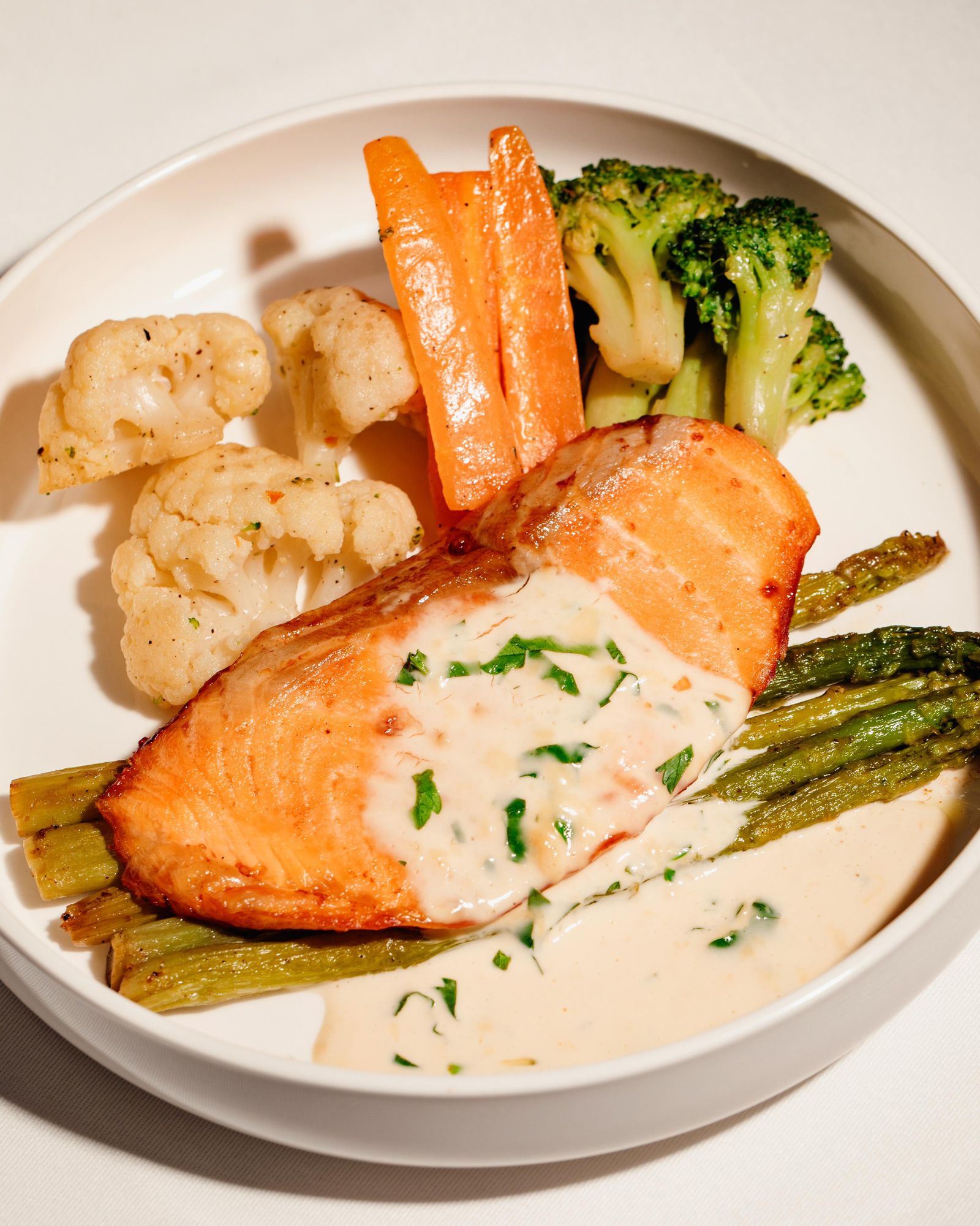
A pescatarian diet meal plan is a mostly plant-forward week that uses fish and seafood as the only meat, with beans, lentils, eggs, dairy, whole grains, and vegetables doing a lot of the daily work. The version that sticks is not fish at every meal. It is a balanced routine with 2 to 4 seafood meals, simple vegetarian backups, and a pescatarian shopping list that does not collapse by Wednesday.
A good pescatarian week does not mean replacing every meat meal with seafood. That gets expensive fast and usually turns the plan into a short-lived wellness costume. The better model is a plant-forward week with seafood layered in on purpose: a few fatty-fish meals, a couple of quick canned-fish lunches, and vegetarian meals that still cover protein and fiber.
This is why a pescatarian diet for beginners works better when you think in patterns instead of recipes. The American Heart Association recommends fish, especially oily fish, at least twice a week, which is a much more realistic target than acting like every dinner needs salmon. If you want a simple visual for what the rest of the plate should look like, Healthy Eating Basics: Build a Balanced Plate is the right starting point.
The simplest way to build a useful pescatarian diet food list is to organize it by repeating ingredient buckets.
What to limit is less exciting and more useful: heavily breaded seafood, sugary sauces, processed snack meals, and the classic “healthy lunch” that is basically crackers and vibes. A pescatarian pattern still needs protein structure and actual produce. If you like Mediterranean-style grocery structure, Mediterranean Diet Shopping List is a practical companion because the shopping logic overlaps heavily.
Competitor pages usually stop at “fish has omega-3s,” which is true but not enough. The real question is whether your week covers protein, iron, calcium, vitamin D, omega-3 fats, and enough fiber to keep meals satisfying. That usually means combining seafood with beans, lentils, dairy or fortified alternatives, whole grains, and vegetables instead of letting fish do all the nutritional lifting.
Seafood choice matters too. The FDA fish guidance is useful if you want lower-mercury options more often. Salmon, sardines, trout, tilapia, cod, shrimp, and many shellfish are easier routine picks than the giant-predator-fish category. If sustainability is part of your filter, Seafood Watch is a better decision tool than guessing in the seafood aisle.
This 7 day pescatarian meal plan is built for normal life, not meal-prep cosplay. Portions can be adjusted to your appetite, household size, and calorie target.
If the hardest part is turning ideas like these into a week you will actually follow, Build your weekly plan in PlanEat AI and let it generate meals, recipes, and a grouped grocery list around your schedule, calorie target, dislikes, and cooking time.
A pescatarian plan gets easier when the cart is built for overlap instead of novelty. Start with two seafood choices, two plant proteins, one grain, one breakfast base, and one sauce that can rescue leftovers.
This kind of overlap lets you reuse the same ingredients across bowls, wraps, pasta, soups, and sheet-pan meals. If you want a broader example of how leftovers can be planned on purpose, 7-Day Balanced Meal Plan (With Grocery List) shows the same logic in a more general format.
The first mistake is making seafood too central. Fish is useful, but an all-seafood week is expensive, harder to prep, and often lower in fiber than people expect. The second mistake is treating vegetarian meals like side quests when they should be part of the core system. A strong week uses lentils, chickpeas, tofu, eggs, and yogurt often enough that seafood becomes strategic instead of constant.
The third mistake is ignoring convenience. If you are new to planning, repeatable meals matter more than impressive ones. That is why beginner-friendly structures from Vegan Meal Planning for Beginners are still helpful here: the plant side of the week needs just as much structure as the fish side. For people who want the app route instead of the spreadsheet route, the Meal Planner App page explains how PlanEat handles weekly menus, grouped groceries, and swaps.
The best pescatarian week is not a seafood fantasy with seven elaborate dinners. It is a repeatable system: a few well-chosen fish meals, plenty of plant proteins, smart leftovers, and groceries that make the next meal easier instead of harder.
Most people do well with fish or seafood a few times per week rather than at every meal. A sustainable pescatarian meal plan usually combines seafood with beans, lentils, eggs, dairy, and other plant-forward meals.
Yes, but only if the overall week supports it. A pescatarian diet meal plan can help with fullness because fish, yogurt, beans, and vegetables bring protein and fiber, but portions and total routine still matter more than the label.
Salmon, trout, cod, shrimp, sardines, and canned tuna are practical starting points because they are widely available and easy to cook. The best option is the one you can afford, store safely, and actually repeat.
It is worth paying attention to fish choice, especially if you eat seafood often. Rotating lower-mercury options more frequently and checking FDA guidance is a simple way to keep the plan practical.
Yes. The trick is not buying premium fresh fish for every dinner. Use canned seafood, frozen fish, beans, lentils, eggs, and tofu to keep protein costs down while still following the pattern.
The best pescatarian week is not a seafood fantasy with seven elaborate dinners. It is a repeatable system: a few well-chosen fish meals, plenty of plant proteins, smart leftovers, and groceries that make the next meal easier instead of harder.