
October 1, 2026
This 7-day meal plan for muscle gain gives you practical daily meals, macro targets, prep steps, swaps, and a grocery list to support steady lean growth.
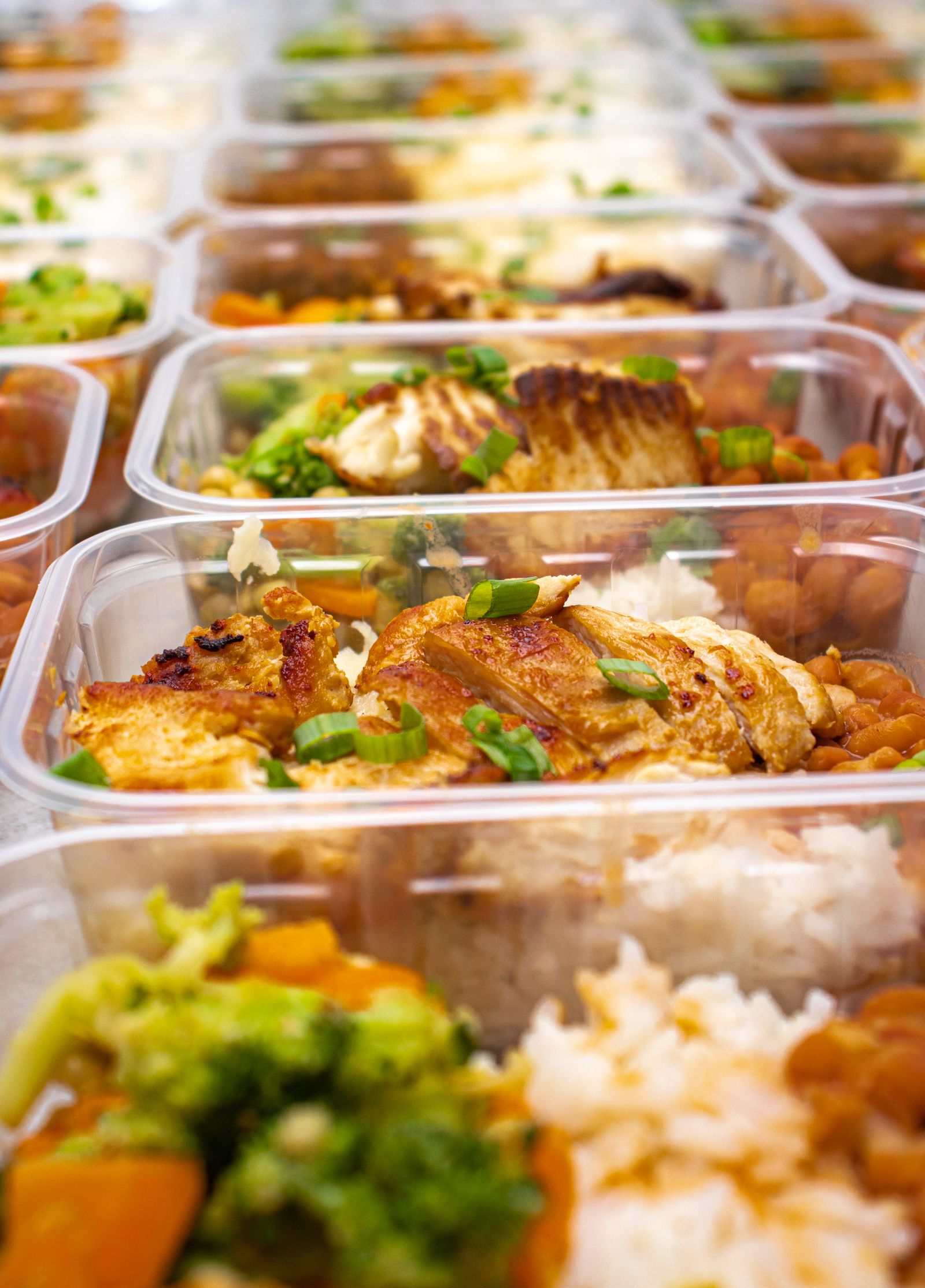
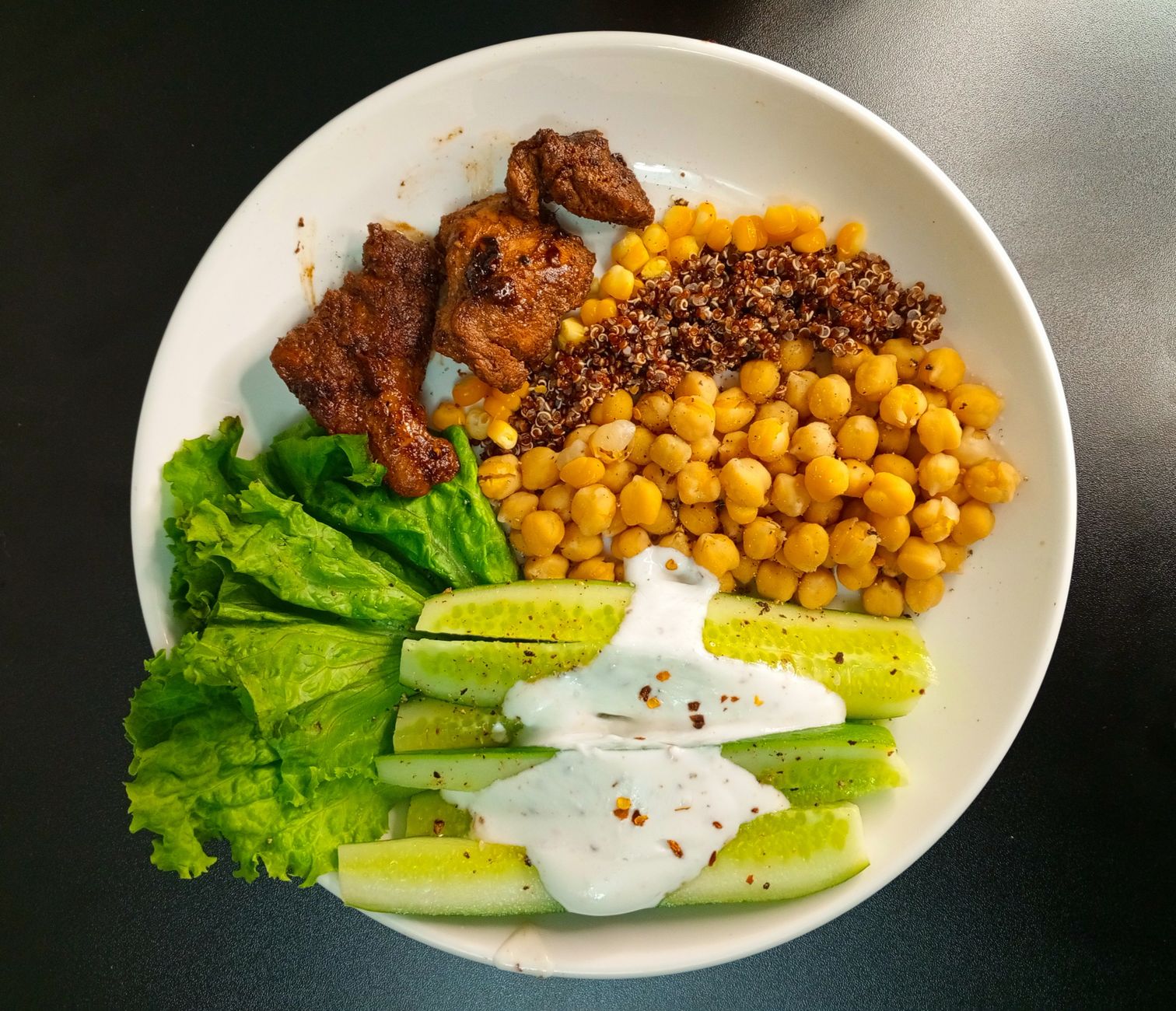
A 7-day meal plan for muscle gain should do two things at once: help you eat enough to recover and grow, and stay simple enough that you can actually follow it for more than three motivated days. The practical version is not a bodybuilder fantasy menu with twelve ingredients per meal. It is a repeatable week built around a small calorie surplus, steady protein, useful carbs, and meals you can prep without turning your kitchen into a part-time job.
This guide is for generally healthy adults who lift regularly and want a realistic week of eating. It gives you macro guardrails, a full 7-day menu, prep strategy, and a grocery list. If you have a medical condition, digestive issue, or sport-specific weight requirement, use this as educational structure and tailor it with a registered dietitian.
The strongest pages in this SERP mostly use the same backbone: explain calorie and protein targets first, lay out a full week day by day, then show how to adjust portions and prep. That format works because the search intent is practical. People are not asking for theory. They want a week they can run.
The gap is that a lot of competitors either drift into generic healthy eating or overcomplicate the plan with bodybuilder-style precision that is hard to sustain. If you searched for a lean bulk meal plan, a clean bulk meal plan, a 7 day meal plan for building muscle, a 7 day meal plan to gain muscle mass, or a 7 day meal plan for muscle gain and fat loss, the useful overlap is the same: enough calories, enough protein, enough carbs to train well, and enough repetition that the system survives real life.
For a broader no-tracking version of this idea, Eat for Muscle and Energy Without Macro Math (2026) is the closest companion read on the site.
You do not need perfect numbers to make this week work, but you do need a target range. A sensible place to start for muscle gain is a small surplus, often around 200 to 300 calories above maintenance, then adjust from weekly scale trend, gym performance, and appetite. The International Society of Sports Nutrition review update notes that exercising people typically do well around 1.4 to 2.0 grams of protein per kilogram of body weight per day, and the same organization also emphasizes evenly spaced protein feedings across the day with training in mind in its nutrient timing position stand.
If you weigh 170 pounds and train four or five days per week, a reasonable starting frame for this week could be around 2,600 to 2,900 calories with roughly 140 to 170 grams of protein. That is not a rule. It is a starting point. If body weight is not moving after two weeks and training is solid, portions probably need to come up.
For workout-day structure, Eating and Exercise: A Simple Way to Pair Them (2026) gives a cleaner before-and-after training framework.
This sample week assumes one person, regular resistance training, and a goal of steady lean growth rather than a chaotic surplus. Each day includes three meals and one or two snacks, because most people adhere better to that than to six tiny “fitness meals.” Adjust portions upward first before adding extra complexity.
Why it works: day one sets the tone with high-protein meals that still leave room for carbs. This is what muscle-gain eating should feel like: normal food with enough volume and enough intent.
Why it works: pasta and rice pull up training fuel quickly without requiring “dirty bulk” food. It also reuses ingredients you will see later in the week, which matters more than Instagram variety.
Why it works: one liquid meal makes it easier to keep the surplus modest but consistent, especially for people who lose appetite when training volume goes up.
Why it works: this is the day that proves you do not need chicken and broccoli seven times. Muscle gain gets easier when the meals still taste like real meals.
Why it works: potatoes are underrated in a muscle-gain week. They are easy to batch, digest well for many people, and keep the plan from becoming an all-rice monoculture.
Why it works: leftovers do real work here. A good muscle-gain plan is usually one smart shop followed by controlled repetition, not seven fully separate cooking events.
Why it works: day seven gives you one higher-enjoyment day without breaking the week. This is how most people stay consistent: enough structure to support recovery, enough flexibility to keep eating from becoming a punishment.
If the plan feels too light, increase portions before you add more meals. More rice, potatoes, oats, bread, olive oil, nut butter, or dairy usually fixes the problem faster than inventing a sixth feeding. If the week feels too heavy, trim calorie-dense extras first while keeping protein stable.
If you like the structure but want less kitchen friction, Build your weekly plan in PlanEat AI and use it to turn your calorie target, meal count, dislikes, and cooking time into a plan you can shop and swap without rebuilding the whole week manually.
Meal prep is where this article can save more progress than another macro argument. Most muscle-gain plans fail because the food is technically sound but logistically stupid.
For more low-friction ideas, 15 Single-Recipe Meal Prep Ideas and High-Protein Spring Meal Plan: 7 Fresh Days to Eat Well both use the same overlap logic from a different angle.
This grocery list covers the structure above and leaves room for portion adjustments.
Nutrition is only half the story. Protein and calories cannot rescue inconsistent training or bad recovery. The nutrient timing position stand from ISSN is useful here because it frames eating as support for the training signal, not as magic by itself. And the CDC notes that adults generally need at least seven hours of sleep, which matters because recovery is where the adaptation from training actually gets collected.
If your broader planning system is weak, Meal Planning Routine That Sticks (2026) helps turn this from a one-week effort into an actual habit.
A useful muscle-gain week is not seven perfect days. It is one repeatable structure that keeps calories, protein, training fuel, and recovery pointed in the same direction.
It depends on your maintenance intake, body size, and training volume, but most people do better starting with a small surplus of about 200 to 300 calories per day instead of an aggressive bulk. Increase portions if body weight and gym performance stay flat for two weeks.
A practical range for most lifters is around 1.6 to 2.0 grams of protein per kilogram of body weight per day, spread across the day. The total daily amount matters more than chasing perfect timing.
Yes. This week is already built like a lean bulk meal plan because it uses a modest surplus, steady protein, and normal foods rather than a high-fat free-for-all. If gain is happening too fast, trim calorie-dense extras first.
Use more liquid calories, easier carbs, and smaller but denser meals. Smoothies, milk, cereal, bagels, rice, potatoes, nut butter, and olive oil are usually easier to scale than trying to force huge volumes of lean protein.
Beginners or people returning to training sometimes can improve body composition while following a high-protein structured week, but the main goal of this plan is muscle gain. If fat loss is the priority, calories usually need a different setup.
A useful muscle-gain week is not seven perfect days. It is one repeatable structure that keeps calories, protein, training fuel, and recovery pointed in the same direction.