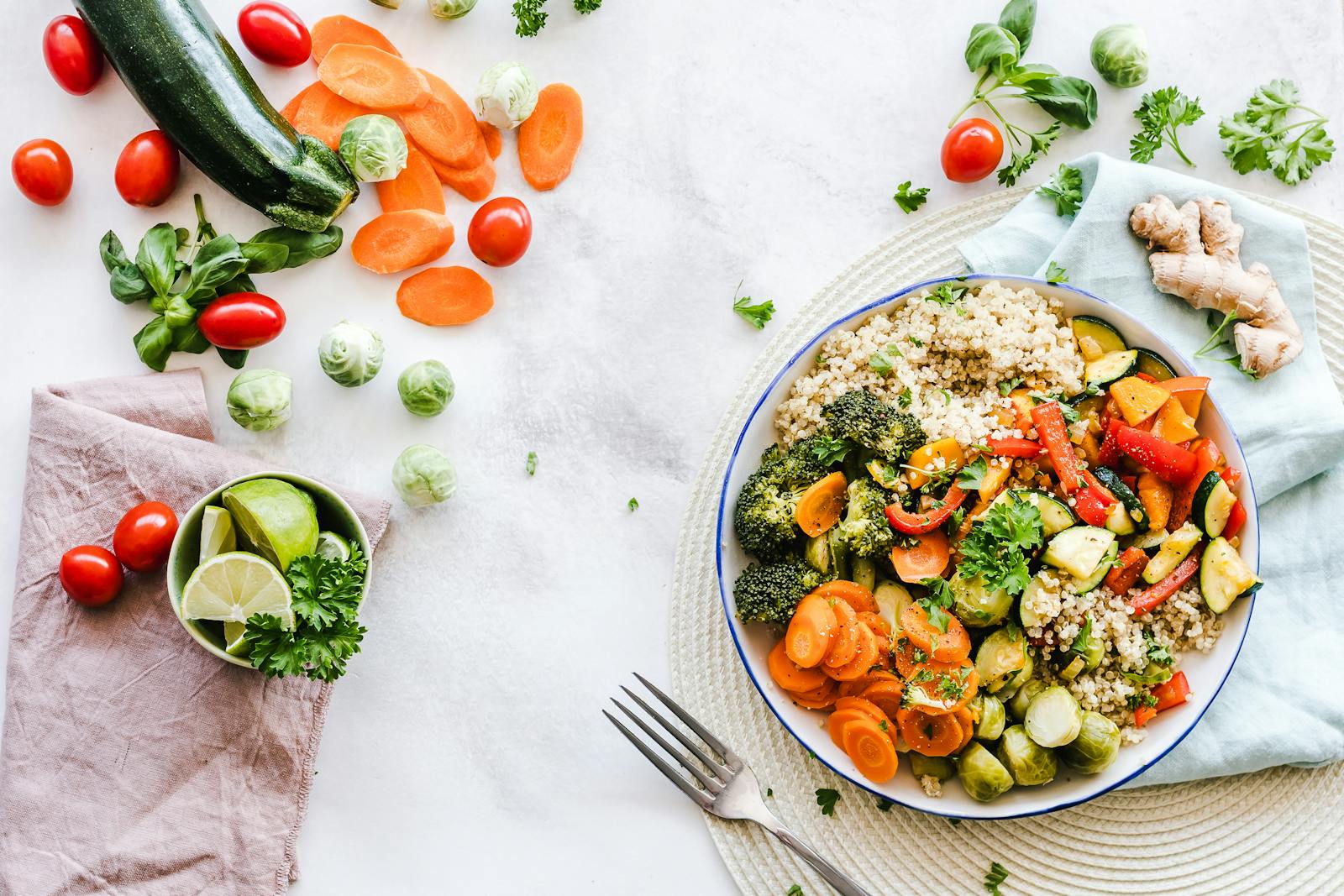

High-Protein Spring Meal Plan: 7 Fresh Days to Eat Well

High-Protein Spring Meal Plan: 7 Fresh Days to Eat Well

A high protein spring meal plan should feel lighter than winter eating without leaving you hungry an hour later. The practical version is simple: build each day around a clear protein source, use spring produce that is actually in season, and repeat enough components that dinner does not become your evening cardio.

TL;DR

  • A good spring meal plan keeps protein in the 25-35 gram range at main meals.
  • Spring produce like asparagus, peas, radishes, spinach, and herbs makes meals feel fresher without making them harder.
  • Batch one protein, one grain, one sauce, and one washed vegetable base to make high protein meal prep easier.
  • A 7 day high protein meal plan works better when lunches intentionally reuse dinner components.
  • You do not need seven different complicated recipes; two repeats usually improve consistency.

What the top spring meal plans have in common

The strongest results for this topic all use the same core structure: a spring meal plan laid out day by day, visible protein totals, seasonal vegetables, and a few repeat lunches to reduce effort. They also avoid the fake-perfect version of healthy eating where every meal is unique, photogenic, and oddly impractical for a normal Tuesday.

That pattern makes sense. Seasonal eating feels appealing in spring because meals get brighter and lighter, but protein still does most of the work for fullness. Spring is not the time to downgrade lunch into leaves and optimism.

For appetite support alongside this plan, see foods that keep you full longer and this 7-day high-fiber meal plan.

How to build a high-protein spring week

Use four anchors before you worry about recipes:

  • Protein: chicken, salmon, Greek yogurt, eggs, cottage cheese, tofu, edamame, tuna, lentils.
  • Spring produce: asparagus, peas, spinach, radishes, cucumbers, herbs, spring onions, strawberries.
  • Smart carbs: potatoes, rice, quinoa, oats, whole-grain wraps, sourdough, beans.
  • Fast flavor: lemon, yogurt sauces, pesto, mustard vinaigrette, tahini, dill, mint.

A practical target for most main meals is 25 to 35 grams of protein, then 10 to 20 grams from snacks if needed. That is enough to make high protein spring recipes feel satisfying instead of decorative.

7-Day High-Protein Spring Meal Plan

This sample plan is built for one week of realistic eating, not perfection. Calories and protein are approximate, and lunches intentionally repeat so your high protein meal prep does not turn into a second job.

Day 1

  • Breakfast: Greek yogurt bowl with strawberries, chia seeds, oats, and pistachios. About 31g protein.
  • Lunch: Lemon chicken quinoa salad with cucumber, herbs, and radishes. About 36g protein.
  • Dinner: Sheet-pan salmon with asparagus, baby potatoes, and dill yogurt sauce. About 38g protein.
  • Snack: Cottage cheese with pineapple. About 15g protein.

Day 2

  • Breakfast: Egg and feta scramble with spinach and toast. About 29g protein.
  • Lunch: Leftover salmon bowl with peas, potatoes, and greens. About 32g protein.
  • Dinner: Turkey meatballs with herby orzo, roasted zucchini, and a quick tomato pan sauce. About 40g protein.
  • Snack: Edamame with sea salt and lemon. About 17g protein.

Day 3

  • Breakfast: Protein oats with berries and almond butter. About 27g protein.
  • Lunch: Turkey meatball wrap with crunchy lettuce, cucumber, and yogurt sauce. About 34g protein.
  • Dinner: Shrimp and pea pasta with spinach, garlic, lemon, and parmesan. About 39g protein.
  • Snack: Skyr with blackberries. About 16g protein.

Day 4

  • Breakfast: Cottage cheese toast with sliced strawberries and hemp seeds. About 28g protein.
  • Lunch: White bean, tuna, and herb salad with spring onions and tomatoes. About 35g protein.
  • Dinner: Chicken and asparagus stir-fry with rice and sesame-lime sauce. About 41g protein.
  • Snack: Boiled eggs and snap peas. About 14g protein.

Day 5

  • Breakfast: Smoothie with Greek yogurt, frozen berries, spinach, and oats. About 30g protein.
  • Lunch: Leftover chicken rice bowl with cucumbers and herbs. About 33g protein.
  • Dinner: Baked tofu bowl with roasted carrots, quinoa, edamame, and tahini-lemon dressing. About 31g protein.
  • Snack: Roasted chickpeas and orange slices. About 10g protein.

Day 6

  • Breakfast: Veggie omelet with goat cheese and sourdough. About 30g protein.
  • Lunch: Tofu quinoa leftovers with extra herbs and radishes. About 28g protein.
  • Dinner: Lean steak salad with baby potatoes, arugula, peas, and mustard vinaigrette. About 37g protein.
  • Snack: High-protein yogurt and walnuts. About 17g protein.

Day 7

  • Breakfast: Overnight oats with skyr, strawberries, and pumpkin seeds. About 29g protein.
  • Lunch: Egg, lentil, and greens bowl with lemon dressing. About 27g protein.
  • Dinner: Roast chicken tray with asparagus, peas, and crispy potatoes. About 40g protein.
  • Snack: Cottage cheese with berries. About 15g protein.

Spring produce that pulls the most weight

If you want your spring meal prep ideas to stay useful, choose produce that works in more than one meal. Asparagus works on trays, in grain bowls, and in pasta. Peas add protein and fiber for a plant food while still tasting properly spring-like. Spinach, herbs, radishes, and cucumbers make repeat meals feel less repetitive.

Fresh peas are in season from May into October and are a useful plant source of protein and fiber, according to BBC Good Food's spring produce guide. For overall nutrition structure, the Dietary Guidelines for Americans and the Harvard Nutrition Source protein overview are useful baselines.

The meal prep plan that makes this week realistic

This is the part competitors sometimes underplay: the plan only works if the setup is boring enough to survive real life.

  1. Cook one tray of chicken or tofu.
  2. Roast one pan of potatoes or cook a pot of quinoa or rice.
  3. Wash and dry greens, herbs, and crunchy vegetables.
  4. Mix one yogurt-based sauce and one vinaigrette.
  5. Pre-portion two easy protein snacks.

That is enough for a week of high protein meal prep without spending Sunday acting like a catering company. If your week is packed, the weight loss meal planner page and the meal planner app overview show how to simplify structure before you start counting details.

If you like the framework but do not want to build the whole week from scratch, Build your weekly plan in PlanEat AI and use it to turn your protein target, food preferences, and cooking time into a flexible weekly plan with a grouped grocery list.

How to swap meals without breaking the plan

The best 7 day high protein meal plan is not fragile. If you do not want salmon, use chicken or tofu. If asparagus is expensive, use green beans. If lunch gets repetitive, keep the protein and carb base but rotate sauces and herbs.

  • Swap salmon for cod, shrimp, or chicken.
  • Swap quinoa for rice, farro, or baby potatoes.
  • Swap strawberries for blueberries or citrus.
  • Swap yogurt sauces for tahini or pesto when you want a different flavor profile.

This matters because compliance beats novelty. Most people are not bored by structure; they are tired of structure that ignores their actual schedule.

Common mistakes in a high-protein spring plan

  • Making breakfast too light and trying to fix the fallout with snacks later.
  • Adding protein powder everywhere while forgetting whole-food lunches.
  • Buying too many delicate vegetables that collapse by Thursday.
  • Planning seven unique dinners instead of repeating two reliable anchors.
  • Cutting carbs so hard that energy drops and evening cravings spike.

If your issue is energy rather than inspiration, read what to eat on low-energy days for easier fallback meals.

FAQ

How much protein should a high-protein spring meal plan include?

A practical starting point is 25 to 35 grams at each main meal, then 10 to 20 grams from snacks if needed. Exact needs vary by body size, activity, and goals.

Can I meal prep a spring meal plan without eating the same thing every day?

Yes. Repeat components, not entire meals. One protein, one carb base, and two sauces can become bowls, salads, wraps, and plates across the week.

What spring vegetables work best in high protein spring recipes?

Asparagus, peas, spinach, radishes, cucumbers, herbs, and spring onions are easy wins because they cook quickly and fit multiple meal formats.

Is this kind of spring meal plan good for weight loss?

It can be, if total calories match your goal. High-protein meals often help fullness, but the broader weekly intake still matters.

What if I do not want meat every day?

Use tofu, edamame, Greek yogurt, eggs, cottage cheese, lentils, beans, or fish. A good high-protein spring week does not need to depend on chicken at every meal.

A high protein spring meal plan should leave you feeling organized, not trapped. Keep the ingredients fresh, the prep repetitive, and the meals sturdy enough to carry you through an ordinary week.

Key takeaway

A high-protein spring meal plan works best when it is bright, simple, and easy to repeat. Use seasonal produce for freshness, keep protein anchored in every meal, and rely on a few prep moves so the week feels lighter instead of stricter.