

September 8, 2026
Use this 2400 calorie meal plan to structure a full week: daily menus, macro targets, flexible swaps, and a prep-friendly grocery list for busy adults.
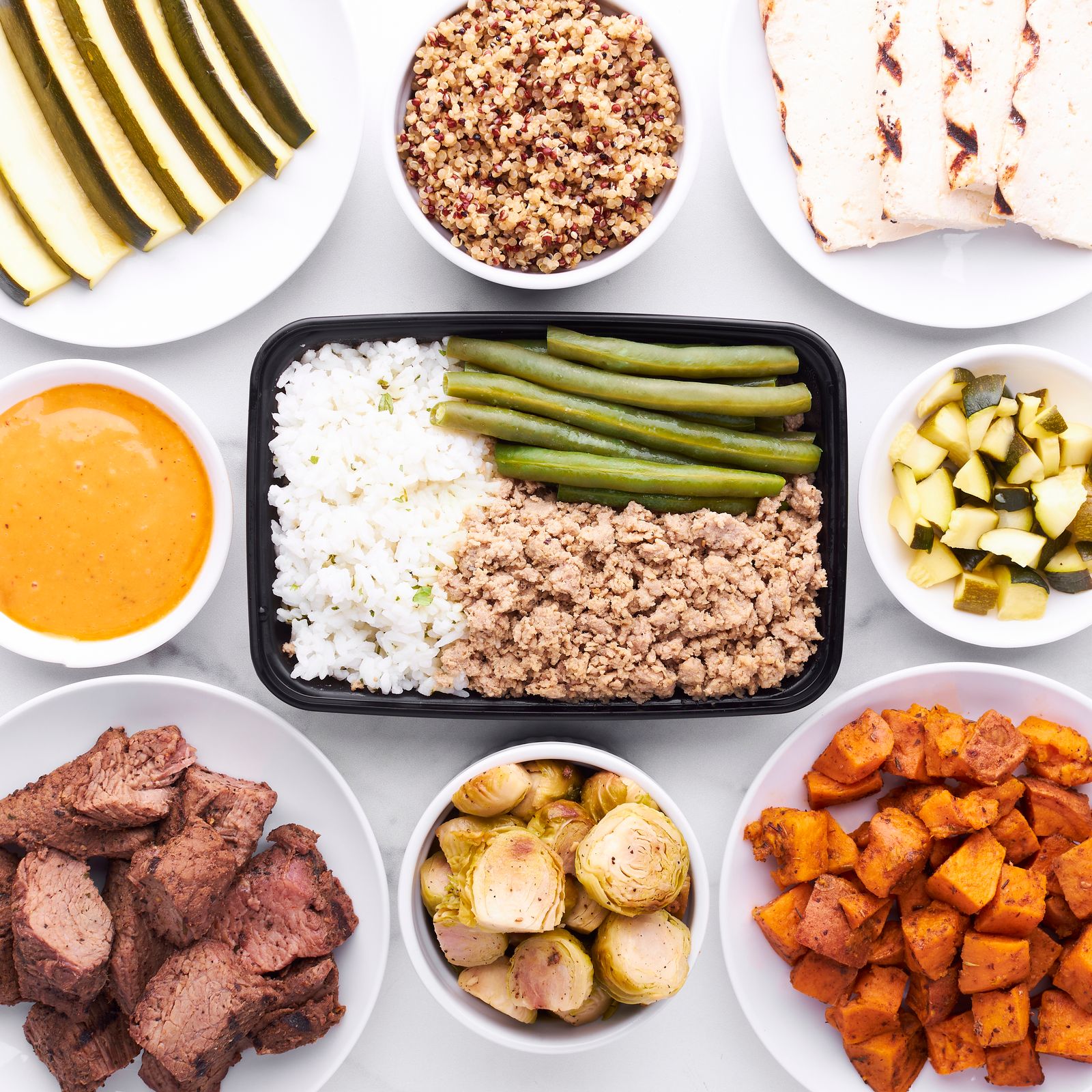
A 2400 calorie meal plan works best when it gives you enough food to stay consistent, train well, and avoid the late-night rebound that follows under-eating. For many active adults, 2400 calories lands around maintenance; for some it is a small deficit, and for others it supports muscle gain. The useful question is not whether 2400 is universally “right,” but whether it matches your body size, activity, and goal.
A 2400 calorie diet meal plan often fits active men, taller women, and people who walk a lot, lift regularly, or simply do worse on very aggressive deficits. It can also work as a maintenance phase after dieting, which is one reason the keyword shows up in so many “balanced week” style SERPs.
USDA MyPlate’s 2400 calorie plan gives a useful baseline: about 2 cups of fruit, 3 cups of vegetables, 8 ounces of grains, 6 1/2 ounces of protein foods, and 3 cups of dairy or fortified alternatives across the day. That does not mean every meal needs to look perfect. It means your week should roughly land in that territory.
If you are unsure whether this intake is too high or too low, start by comparing it with your recent pattern. If you have been eating far less and feeling hungry, 2400 may improve consistency. If you have been maintaining body weight near this intake already, the same number may be close to your current baseline.
Most successful versions of a meal plan 2400 calories land near these practical starting ranges:
Those ranges are not medical rules. They are a workable default for satiety, training support, and easier adherence. If you want a simple visual check before counting anything, use Healthy Eating Basics: Build a Balanced Plate. The plate method keeps the food quality side from falling apart while you manage calories.
NHLBI’s DASH eating plan is another useful reference because it emphasizes vegetables, fruit, whole grains, beans, dairy or alternatives, and lean protein instead of extreme food rules. That structure makes 2400 calories much easier to hit consistently than random “clean eating” meals that leave you hungry.
This 7 day 2400 calorie meal plan is built for real workweeks: repeatable breakfasts, portable lunches, dinners that do not require chef energy, and snacks that plug common hunger gaps. Totals are approximate so you can swap similar foods without breaking the plan.
Protein focus: About 170g protein. This is a good opening day if you want a 2400 calorie high protein meal plan feel without going full bodybuilder.
Across the week, this 2400 calories a day meal plan keeps the same logic: protein at each meal, carbs where they help performance and fullness, produce at most meals, and enough fat that meals actually feel complete.
The same weekly structure can serve different goals.
CDC guidance on healthier meals and snacks is useful here because the biggest failure point is rarely knowing what foods are “healthy.” It is failing to build meals that are filling enough to fit your actual day.
A useful rule is to keep the skeleton of the day the same even when the details change. If lunch becomes a restaurant meal, preserve the same structure: a clear protein source, a carb that actually satisfies you, vegetables or fruit, and a deliberate extra such as dressing, cheese, or dessert instead of three untracked extras at once. That keeps the plan flexible without turning “one change” into a full-day calorie drift.
You do not need to cook every recipe from scratch each night. A good 2400 calorie meal plan depends more on prep friction than recipe creativity.
Protein: chicken breast or thighs, salmon or cod, eggs, Greek yogurt, cottage cheese, lean turkey, canned tuna, tofu, edamame, beans, lentils.
Carbs: oats, rice, pasta, potatoes, wraps, whole-grain bread, quinoa, fruit, granola, crackers.
Fats and flavor: olive oil, avocado, nuts, seeds, tahini, pesto, cheese, salsa, hummus, yogurt sauces.
Produce: berries, bananas, apples, leafy greens, cucumbers, peppers, tomatoes, broccoli, carrots, green beans, sweet potatoes.
If you want a tighter system, use 2-Hour Weekend Meal Prep: Cook Once, Eat All Week with Meal Prep Basics: Beginner’s Guide to Cooking Ahead. For fiber upgrades that improve fullness without much effort, High-Fiber Grocery List (US): Simple Staples (2026) is a practical companion.
If your schedule is the real bottleneck, Meal Planning For Busy Professionals and How to Build a Default Weekly Menu Template (2026) make the weekly structure easier to repeat.
When you want that structure without manually rebuilding every breakfast, lunch, dinner, and grocery list, PlanEat AI on the App Store can turn your calorie target, time limits, and dislikes into a weekly plan you can actually edit and reuse.
The core idea is simple: keep the template stable, then change the smallest possible lever. Most people do better when they adjust portions, snacks, and meal timing instead of jumping to a completely different plan every week.
Yes, if 2400 is below your maintenance intake. For some active adults it will be a deficit, while for others it will be maintenance. Track the weekly trend before deciding the number is too high or too low.
A practical starting range is about 150-190 grams per day, divided across meals and snacks. If you lift regularly or struggle with fullness, the higher end is often easier to sustain.
Yes. Replace meat and fish with tofu, tempeh, eggs, Greek yogurt, cottage cheese, beans, lentils, and edamame while preserving total protein and meal volume.
Sometimes yes, sometimes no. Maintenance depends on body size, sex, movement, training, sleep, and genetics. A number is only “too much” if your real trend data says it is.
Check protein, fiber, and meal size first. Many hunger issues come from meals that are technically healthy but too small, too low in protein, or too snack-based to hold you.
A good 2400 calorie plan gives you enough structure to hit your intake consistently without turning every meal into math. Keep the base template steady, then adjust portions to match your goal and appetite.