

September 8, 2026
Learn which foods support lasting fullness, how to build satisfying meals, and simple swaps that help you stay steady between meals.
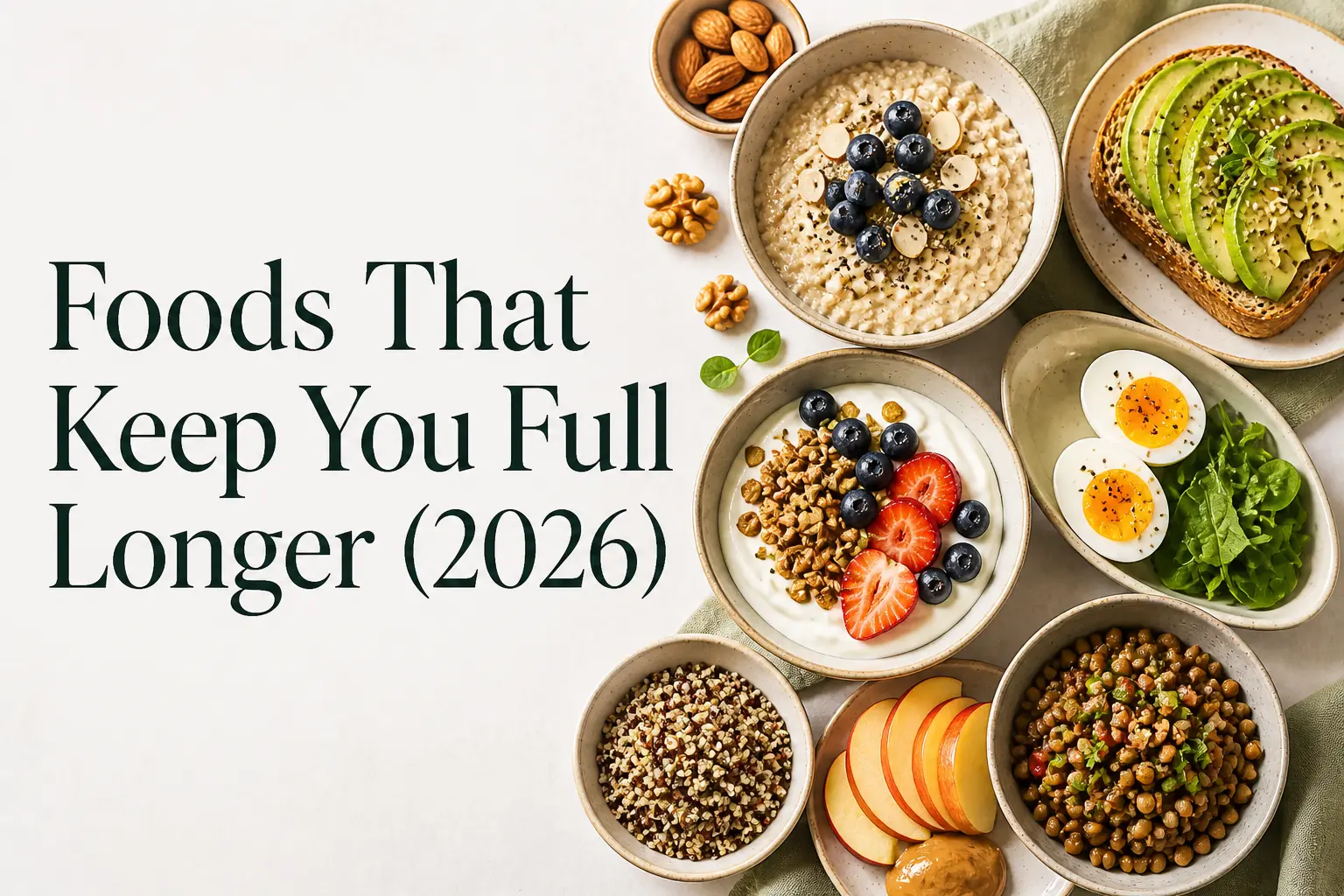
Fullness is not just about eating more food. It usually comes from a mix of protein, fiber, water content, and slower-digesting carbs that help meals feel satisfying for longer.
If your meals leave you hungry soon after, it often helps to look at the structure of the meal, not just the calorie total. A balanced plate approach from Healthy Eating Basics: Build a Balanced Plate can make this easier.
High-volume foods also matter. Foods with more water and fiber can take up more space on the plate and in your stomach, which often helps you feel comfortably full without relying on very large portions.
When you want a simple way to turn this into a routine, tools like Quick Meal Planning: Build a 30-Minute Weekly Plan can help you plan filling meals ahead of time.
If you want a simpler way to turn filling meals into a repeatable weekly routine, PlanEat AI on the App Store can help you organize the week with realistic meals, a grouped grocery list, and practical swaps based on your goals, dislikes, and cooking time. That makes it easier to build meals that keep you full longer without overcomplicating the process.
Some of the most useful foods for fullness are everyday staples. They are practical, affordable, and easy to combine into meals that hold you over until the next eating time.
Think in categories instead of “magic foods.” The goal is to pair protein, fiber, and a steady carb source with enough volume to make the meal feel complete.
For more high-satiety snack ideas, see Top 10 High-Protein Snacks and Top 10 High-Fiber Snacks.
If you like breakfast-focused examples, High-Protein Breakfast Ideas and Top 10 Weight Loss Breakfasts That Keep You Full offer useful starting points.
A filling meal usually has three parts: protein, a high-fiber carb, and a large enough vegetable or fruit portion. Adding some healthy fat can improve taste and help the meal feel more complete.
For example, chicken with potatoes and broccoli, or yogurt with oats and berries, is often more satisfying than a lower-protein, lower-fiber option with the same calories.
Use this repeatable structure: protein + fiber-rich carb + produce + optional fat. That format works for breakfast, lunch, dinner, and even snacks.
If you want a meal-plan structure that is easier to repeat, How to Build a Default Weekly Menu Template is a practical next read. You can also pair it with Meal Planning With 10 Ingredients to keep decisions simple.
For meal ideas built around this approach, PlanEat AI on the App Store can help turn a basic formula into a weekly plan you can actually follow.
Some foods can feel satisfying at first but do not keep you full very long on their own. This often happens when a meal is heavy on refined carbs, low in protein, or missing fiber.
That does not make those foods bad. It just means they usually work better when paired with more filling ingredients.
A better approach is to build around the less-filling food instead of banning it. For example, toast becomes more satisfying when paired with eggs, yogurt, or nut butter.
If cravings are part of the issue, these guides may help: Healthy Snacks That Actually Curb Cravings and How to Stop Sugar Cravings.
What food keeps you full the longest?
Meals with protein, fiber, and some healthy fat tend to keep people full longer than foods made mostly of refined carbs.
Is protein the most filling nutrient?
Protein is one of the most helpful for fullness, but it works best with fiber-rich foods and enough total volume.
Are high-fiber foods always better for fullness?
Usually, yes, but fiber works best when it is part of a balanced meal. Fiber alone may not be enough if protein is very low.
What is a good filling snack?
Greek yogurt with fruit, apple slices with nut butter, or hummus with vegetables are practical options that combine protein, fiber, or both.
How do I stay full on a budget?
Use affordable staples like oats, beans, eggs, potatoes, frozen vegetables, and yogurt. For more ideas, see Smart Ways To Save Money On Groceries.
Can I meal plan for more fullness without tracking calories?
Yes. A simple weekly structure with repeat meals, enough protein, and fiber-rich sides is often enough to improve satisfaction.
Choose meals that combine protein, fiber, and enough volume, and you will usually feel satisfied for longer. The best results come from simple repeatable patterns you can use across the week. If you make one change, start by adding more protein and produce to meals that wear off too fast.