

September 8, 2026
Ten practical high-protein vegetarian breakfasts with easy prep tips, swaps, and quick planning ideas for busy mornings.
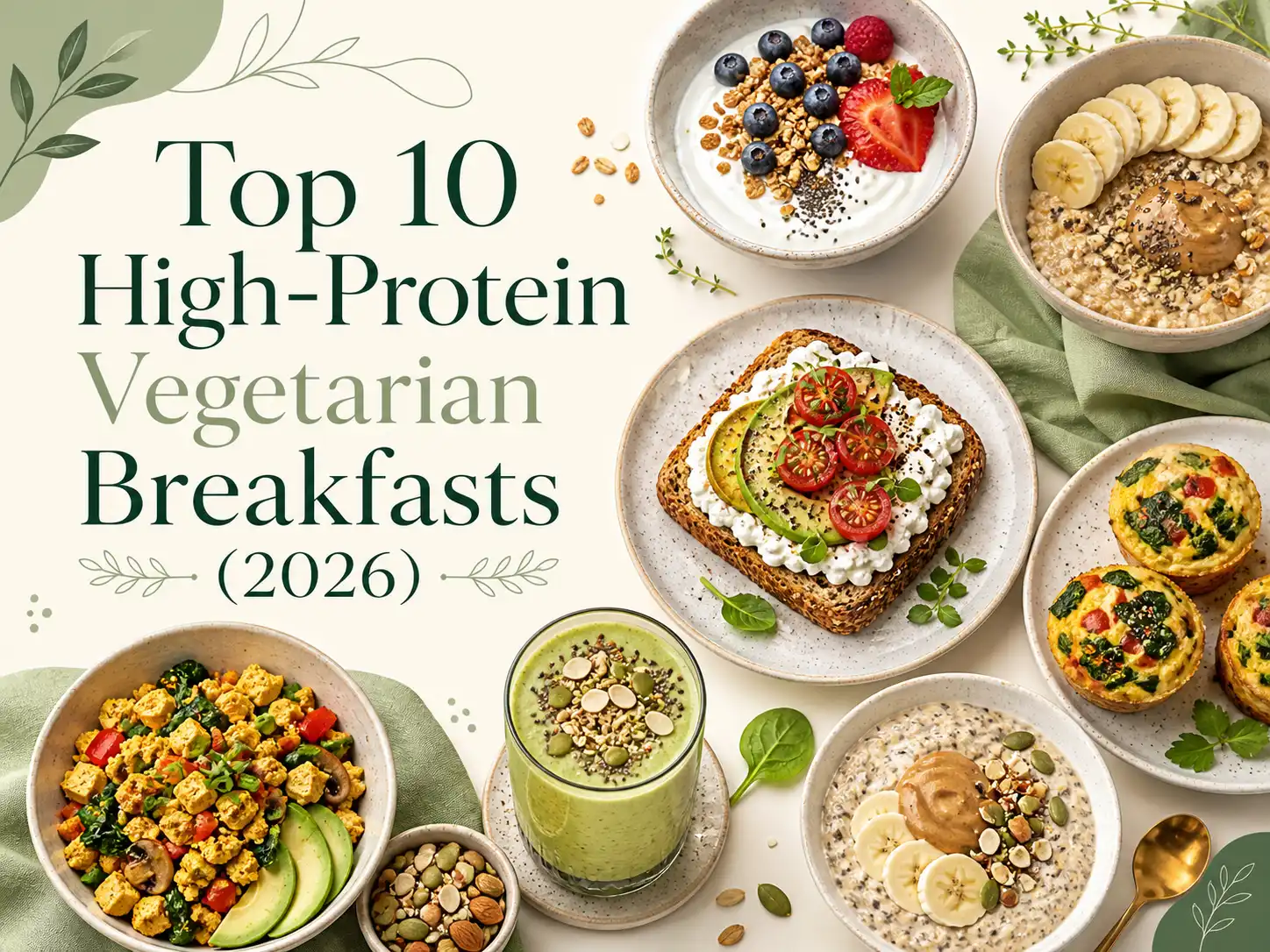
A breakfast with enough protein can make busy mornings feel easier to manage. It usually helps you stay fuller longer, which can reduce random snacking before lunch.
The easiest way to build one is to pair a protein source with fiber-rich carbs and some healthy fat. If you want a simple starting point, see healthy eating basics and balanced breakfast templates.
For a weekly routine, it also helps to keep 3–4 repeatable breakfast formats on rotation. That is faster than trying to invent a new meal every day and works well with default weekly menu templates.
If you want to make high-protein vegetarian breakfasts easier to repeat, PlanEat AI on the App Store can help you organize the week with realistic meal ideas, a grouped grocery list, and practical swaps based on your goals, dislikes, and cooking time. That makes breakfast feel simpler, more consistent, and easier to maintain across the week.
These options are practical, not fussy. You can make most of them in under 15 minutes or prep parts ahead for the week.
If you like quick, packable meals, pair these with ideas from high-protein snacks and high-protein lunches so the rest of the day stays simple too.
One useful habit is making one breakfast for today and one for tomorrow at the same time. That small step is often easier to keep than complicated meal prep, especially if you also use meal prep basics.
You do not need a huge recipe overhaul. Most breakfasts can be upgraded by adding one or two protein-heavy ingredients to what you already eat.
For example, add Greek yogurt to oats, eggs to toast, tofu to a wrap, or cottage cheese to fruit. If you want more ideas, high-protein breakfast ideas and macros for beginners can help you choose portions that fit your day.
Shopping also gets easier when you keep a few staples on hand. Good basics include eggs, yogurt, skyr, tofu, cottage cheese, oats, chia, beans, and frozen fruit.
If your mornings are chaotic, planning ahead matters more than perfect recipes. A simple weekly menu tool such as PlanEat AI on the App Store can help organize breakfast ideas, but the main goal is still consistency, not complexity.
Small swaps can keep these breakfasts interesting without extra work. Use soy milk instead of dairy, swap beans for eggs, or rotate berries, bananas, and apples depending on price.
Frozen fruit, pre-chopped vegetables, and batch-cooked oats can save time on weekdays. For more low-effort ideas, see low-effort healthy eating and smart grocery savings.
If you want a breakfast plan that repeats well, keep the same base and change the toppings. That approach is also useful for 10-ingredient meal planning and works well when you are short on time.
Try prepping one breakfast base on Sunday and one on Wednesday. Even 20 minutes of prep can cover several mornings and reduce last-minute choices.
Many people aim for a breakfast that includes a clear protein source, such as yogurt, eggs, tofu, or beans. The exact amount depends on your total day, but adding protein to the first meal often makes breakfast more satisfying.
Yes. Use soy yogurt, soy milk, tofu, beans, nut butter, or chia seeds instead of dairy-based ingredients. Smoothies and tofu scrambles are especially easy to adapt.
Overnight oats, yogurt parfaits, egg burritos, and breakfast burrito bowls are all easy to prep ahead. They hold up well in the fridge and can be portioned for 2–4 days.
Choose savory options like tofu scramble, cottage cheese toast, savory oatmeal, or chickpea flour pancakes. These give you variety without relying on fruit or granola.
Keep the base the same and rotate the toppings, sauces, and fruit. For example, use yogurt one week, tofu the next, and eggs the week after.
High-protein vegetarian breakfasts work best when they are simple enough to repeat. Pick two or three options from this list, keep the ingredients stocked, and build a rotation you can follow on busy mornings.