
October 2, 2026
High-protein breakfast templates built from simple ingredients that help you stay full longer, plus tips for adjusting to your goals and fitting them into a weekly meal plan.
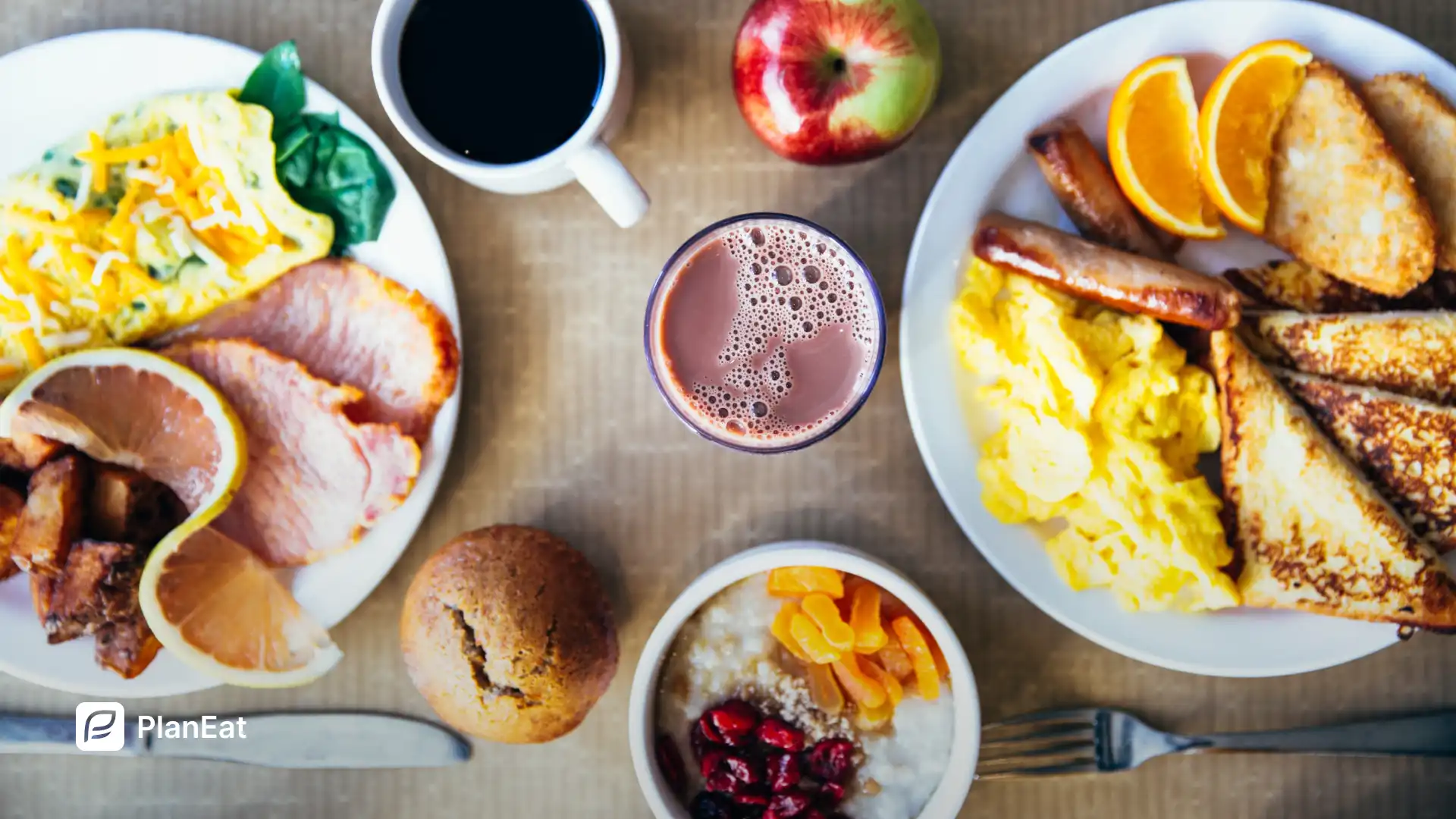
TL;DR: A high-protein breakfast does not have to be complicated or time consuming. If you combine a solid protein source with fiber rich carbs and a little healthy fat, you can build breakfasts that keep you full for hours. Use these ideas as flexible templates, not strict recipes, and repeat your favorites through the week.
Protein is one of the nutrients that helps you feel satisfied after eating. When breakfast is mostly sugar and refined carbs, your energy tends to spike and crash, and cravings often show up a few hours later.
A higher protein breakfast can help you:
You do not need perfect numbers to benefit, but many people find that aiming for roughly 20 to 30 grams of protein at breakfast works well. For a simple overview of how protein fits into your overall macro picture, you can use Macros for Beginners: Protein, Carbs, Fat (How Much?) as a companion to this article.
If you want your high-protein breakfasts to line up with the rest of your day, you can use PlanEat AI to generate a weekly meal plan and grouped grocery list based on your goals, dislikes, and cooking time. Then you choose the breakfast ideas that fit your mornings and let the app keep them in rotation.
You do not need to measure every bite. A few rules of thumb can get you most of the benefits.
Helpful guidelines:
If you want a broader look at how to design breakfasts that feel balanced, not just high in protein, you can connect this guide with Build a Balanced Breakfast (Quick Templates) and layer the higher protein focus on top of that structure.
Use these ideas as templates. Swap ingredients based on what you enjoy and what you have on hand.
If you want more inspiration for how these breakfasts can sit inside a full week of structured meals, you can look at 7-Day High-Protein Meal Plan (With Shopping List) and notice how protein is spread across the day, not just breakfast.
The same basic ideas can work for different goals with small adjustments.
If you want help setting realistic protein targets that match your weight loss plan, you can use Protein Goals for Weight Loss (Simple Calculator) to get a rough range and then build breakfasts that support it.
For more support with cravings beyond breakfast, you can connect this article with How to Stop Sugar Cravings (Real-World Tips) and align your first meal with the rest of your routine.
For a broader strategy on getting ahead with prep, you can lean on Meal Prep Basics: Beginner’s Guide to Cooking Ahead and build a small weekend routine around protein rich breakfasts and snacks.
A few favorite breakfasts become much more powerful when they sit in a simple pattern.
Practical steps:
If you want to tie your breakfast plan into the rest of your week in one short session, you can use Quick Meal Planning: Build a 30-Minute Weekly Plan so breakfasts, lunches, and dinners all come from the same simple planning routine.
Once you know which high-protein breakfasts keep you full and fit your routine, you can save them as part of your favorite weekly patterns in PlanEat AI. The app keeps your structure and grouped grocery list in one place so you can repeat what works and only swap specific ingredients or recipes when you want a change.
There is no single perfect number for everyone, but many people do well with roughly 20 to 30 grams of protein at breakfast. The exact amount that works best for you depends on your size, activity level, goals, and any guidance you have from your healthcare provider.
A protein bar can help in a pinch, but it often works better to combine it with something that adds fiber and volume, such as fruit or yogurt. When possible, building a meal from whole foods like eggs, yogurt, or beans tends to keep you full longer.
Yes, if they include a solid protein source like Greek yogurt or protein powder and not only fruit juice. Adding oats, nuts, or seeds can also boost staying power by adding fiber and healthy fats.
You can still build high-protein breakfasts using foods like tofu scrambles, beans, lentils, nut butters, and plant based yogurts that are higher in protein. Whole grain toast with hummus and vegetables is another option.
Not necessarily. Some people feel better eating soon after waking, while others prefer to wait a bit. The main focus is that when you do eat your first meal, it has enough protein and fiber to keep you full and support your goals.
Educational content only - not medical advice.
High-protein breakfast templates built from simple ingredients that help you stay full longer, plus tips for adjusting to your goals and fitting them into a weekly meal plan.