September 29, 2026
Build an athletic meal plan for active adults with practical training-day meals, flexible portions, protein, carbohydrates, hydration, and grocery prep.
An **athletic meal plan** for a recreationally active adult should support training without turning every meal into a performance calculation. The most useful structure is simple: eat regular meals, include carbohydrate-rich foods for training fuel, include protein-rich foods throughout the day, stay hydrated, and adjust portions when training volume changes.
This guide is designed for people who run, lift, cycle, play sports, attend fitness classes, or combine several activities during the week. It is not an elite-sport fueling protocol, and it does not prescribe exact calorie, protein, carbohydrate, or fluid targets.
**Educational note:** sports nutrition needs vary with body size, activity type, training duration, climate, health, and individual tolerance. People with medical conditions, significant performance goals, or very high training volumes may benefit from individualized guidance from a qualified sports dietitian.
A **meal plan for athletes** does not need to look dramatically different from a balanced meal plan for any active adult. The main difference is that training creates additional timing and energy demands.
Carbohydrates are especially useful around exercise because they provide fuel for working muscles. The Academy of Nutrition and Dietetics notes that carbohydrate is a major fuel source for exercise, while protein supports repair and recovery.
A practical meal can include:
Portions can change with the day. A long run day may call for more rice, potatoes, bread, fruit, or another carbohydrate source than a low-activity day. That does not mean rest days should become restrictive.
This **sports nutrition meal plan** is a structure rather than a prescription. Move the training days to match your actual schedule.
Breakfast: Oatmeal with Greek yogurt, banana, berries, and peanut butter.
Lunch: Chicken or tofu rice bowl with broccoli, carrots, avocado, and a simple sauce.
Pre-training snack if needed: Banana and toast.
Dinner: Salmon, potatoes, green vegetables, and salad.
Breakfast: Eggs with whole-grain toast, tomato, avocado, and fruit.
Lunch: Leftover salmon and potato bowl with greens.
Snack: Yogurt with fruit and nuts.
Dinner: Lentil chili with vegetables and a moderate serving of rice.
Breakfast: Overnight oats with milk or fortified soy milk, yogurt, banana, and chia seeds.
Lunch: Chicken, tofu, or bean pasta with tomato sauce and spinach.
Pre-training snack: Fruit, toast, or another familiar carbohydrate-rich option.
Dinner: Stir-fry with chicken or tofu, rice, broccoli, mushrooms, and carrots.
Breakfast: Greek yogurt with oats, berries, nuts, and seeds.
Lunch: Leftover stir-fry bowl.
Snack: Fruit with cottage cheese, yogurt, or edamame.
Dinner: Black bean tacos with cabbage, avocado, salsa, and vegetables.
Breakfast: Eggs, potatoes, spinach, and fruit.
Lunch: Taco bowl using leftover beans, vegetables, and rice.
Pre-training snack if needed: Banana with toast or yogurt with fruit.
Dinner: Chicken, tofu, or chickpea curry with rice and vegetables.
Breakfast: Oatmeal with banana, yogurt, nuts, and seeds.
Lunch: Rice or quinoa bowl with chicken, tofu, or beans and vegetables.
Snack before training if needed: A familiar carbohydrate-rich snack that sits comfortably.
Dinner: Pasta with fish, chicken, tofu, or white beans, tomato sauce, and vegetables.
Breakfast: Vegetable omelet with toast and fruit.
Lunch: Leftover pasta or a grain bowl.
Snack: Yogurt, fruit, or hummus with crackers.
Dinner: Sheet-pan chicken or tofu with potatoes and mixed vegetables.
Useful **training day meals** depend on timing and individual tolerance.
The Academy of Nutrition and Dietetics suggests that pre-workout timing varies and notes that meals or snacks containing carbohydrates can support training. Eating too close to exercise can cause discomfort for some people, so testing timing during normal training is more useful than experimenting on race or competition day.
Examples before training can include:
After a demanding workout, a normal meal that combines carbohydrate, protein, and fluids can support recovery. Examples include rice with chicken or tofu, pasta with beans and vegetables, yogurt with oats and fruit, or eggs with potatoes and toast.
You do not need a specialized recovery product if ordinary food fits your schedule and needs.
An **active lifestyle meal plan** should move with the training week rather than staying identical every day.
On harder days:
On lighter days:
This kind of adjustment is more practical than creating completely separate training and rest diets.
Hydration needs differ by person and by session.
The NCAA states that adequate hydration before, during, and after physical activity is important for safe participation in sport. The Academy of Nutrition and Dietetics also notes that hydration should reflect individual factors such as sweat loss, activity intensity, duration, and weather.
For ordinary shorter workouts, water may be enough for many people. Longer or more demanding sessions can require more deliberate fluid and carbohydrate planning.
Do not copy another person's exact fluid routine without context. Someone training outdoors in heat may have very different needs from someone doing a short indoor strength session.
A practical **athlete grocery list** can include:
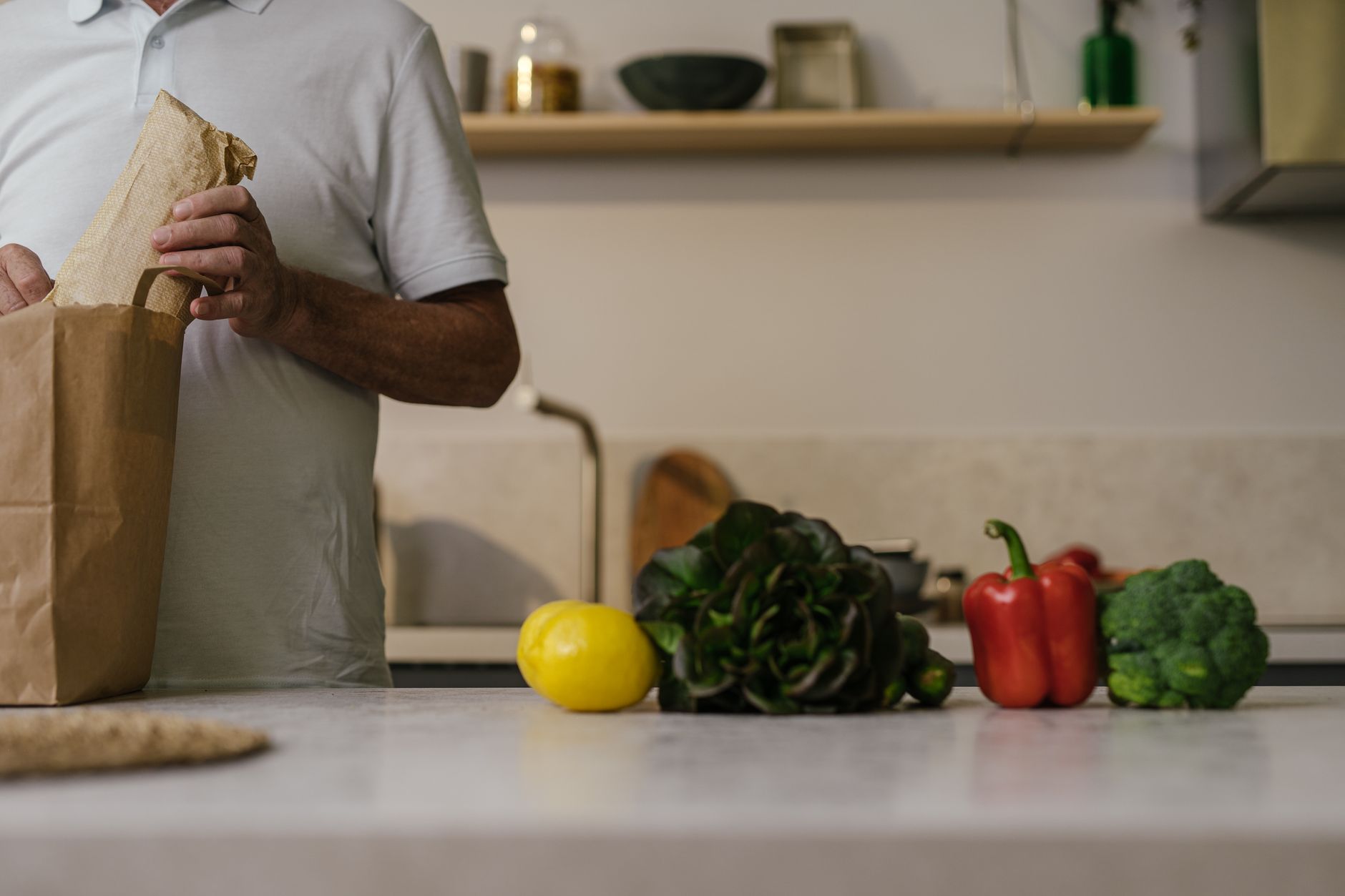
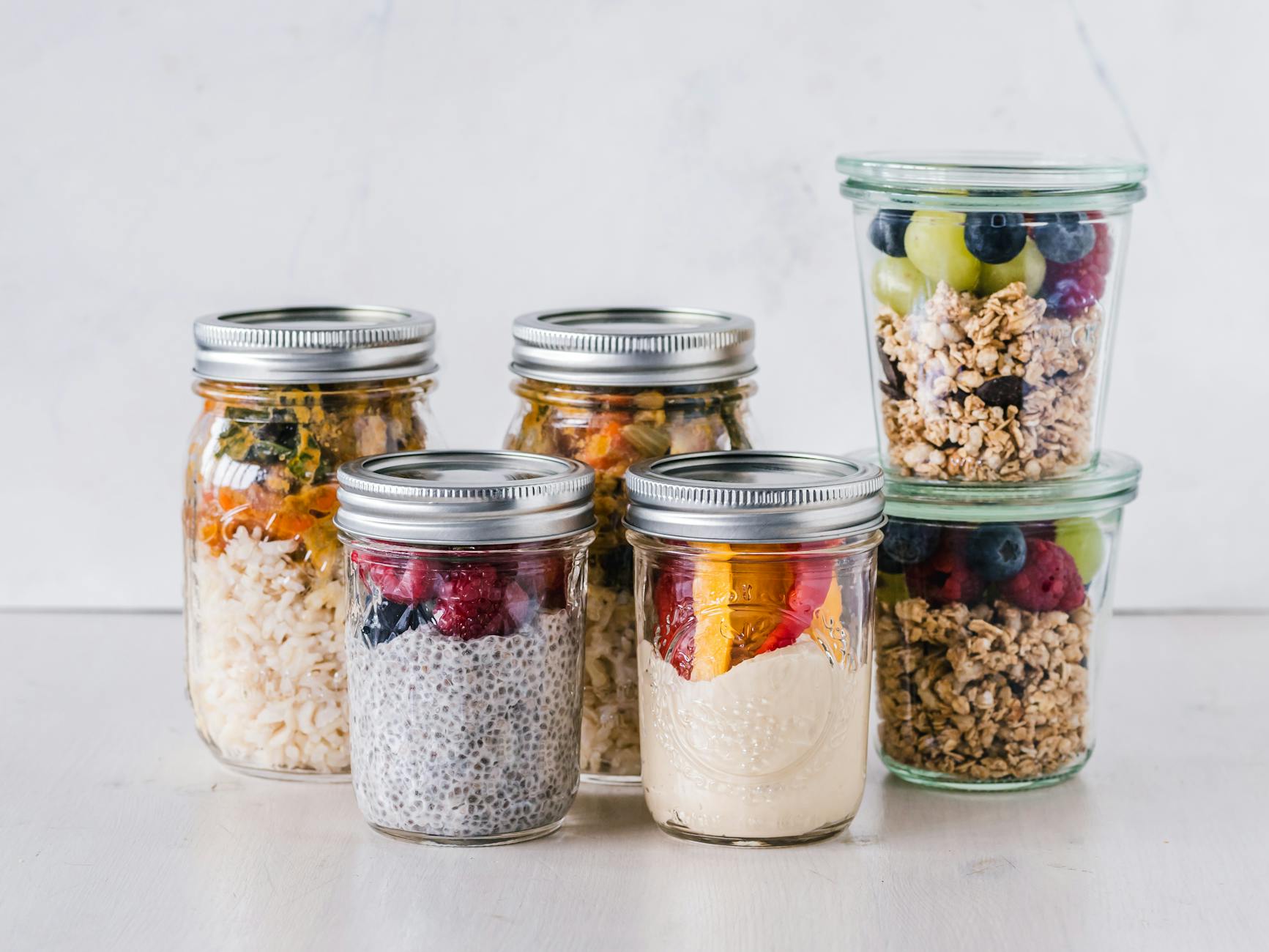
Prep a grain, a protein, and a tray of vegetables once or twice during the week. Keep fast options such as yogurt, eggs, fruit, bread, canned beans, and frozen vegetables available for days when training ends later than expected.
If planning the week manually feels repetitive, PlanEat AI on the App Store can turn your preferences, goals, and cooking constraints into a weekly meal plan and grocery list.
Possibly. Harder, longer, or more frequent training can increase energy and carbohydrate needs. The amount varies by person, so adjust portions based on workload, appetite, and appropriate professional guidance when needed.
Familiar carbohydrate-containing foods such as oats, fruit, toast, rice, or yogurt with fruit can work well. Timing and portion size depend on your tolerance and the type of training.
Not automatically. Many people can get enough protein from regular food. Supplements can be convenient, but they are not required simply because someone exercises.
Not necessarily. Rest days still support recovery and normal activity. You can adjust portions to appetite and workload without removing carbohydrate-rich foods completely.
Build an athletic meal plan for active adults with practical training-day meals, flexible portions, protein, carbohydrates, hydration, and grocery prep.