
October 2, 2026
A practical biblical diet meal plan for 2026 with common biblical foods, a balanced 7-day menu, a grocery list, and caution points.
A biblical diet meal plan is usually less about copying one strict rulebook and more about choosing simple, whole foods that fit faith values and everyday life. In practice, people often use it to mean a pattern inspired by the foods mentioned in Scripture, with an emphasis on grains, legumes, fruits, vegetables, olive oil, fish, and modest portions.
This guide is a respectful, US-focused overview for 2026. It explains the Daniel style meal plan, common biblical foods, and how to build a balanced week without turning it into an extreme diet. If you want a planning system that helps you organize menus and grocery lists, PlanEat AI on the App Store is one option to compare with other tools.
A biblical foods meal plan usually centers on simple, minimally processed ingredients.
The Daniel style meal plan is one common version, often built around plants and water for a set period.
There is no single universal biblical diet. Some people use it to describe foods commonly referenced in the Bible, while others use it as a faith-based reset that avoids highly processed foods. Because of that, healthy biblical eating can look different from one household to another.
The most practical approach is to define your boundaries first. For example, you may want a mostly plant-based pattern, a Daniel style meal plan for weekdays, or a broader Bible diet meal plan that still includes seafood and dairy. For a more flexible structure, you can also adapt ideas from custom meal planning and build your own faith-based version.
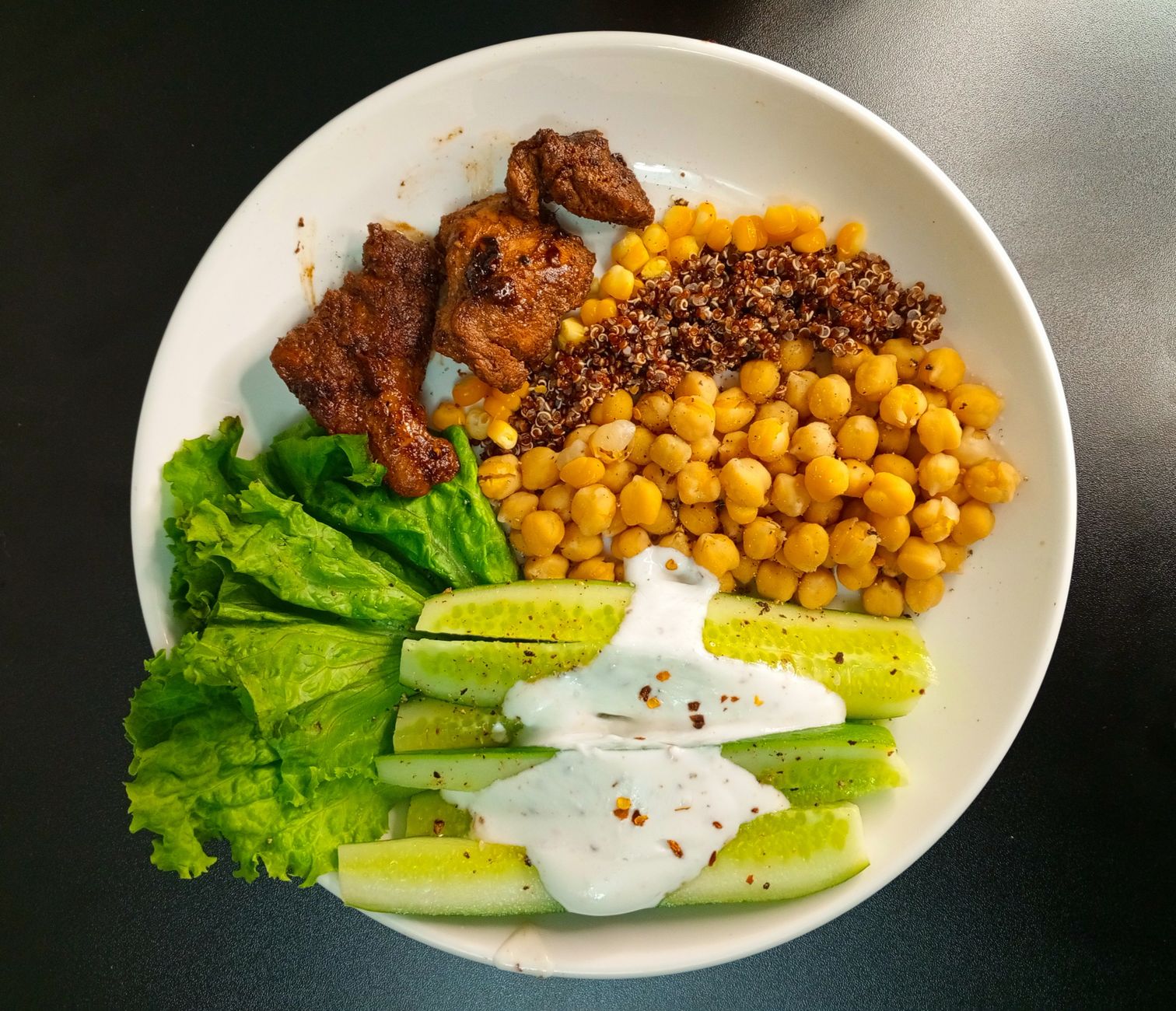
Frequently referenced foods include wheat, barley, lentils, figs, dates, olives, grapes, honey, fish, and herbs. In modern US grocery stores, these translate into familiar staples like oats, brown rice, chickpeas, apples, cucumbers, hummus, olive oil, salmon, and walnuts.
That makes the plan easier to follow than it may sound. Instead of hunting for exotic ingredients, you are mostly choosing simple pantry foods and fresh produce that can be found at any mainstream supermarket.
This sample week keeps the spirit of biblical foods while still aiming for balanced, practical meals. It is not a calorie prescription, and you can scale portions up or down based on hunger, age, activity level, and personal preferences.
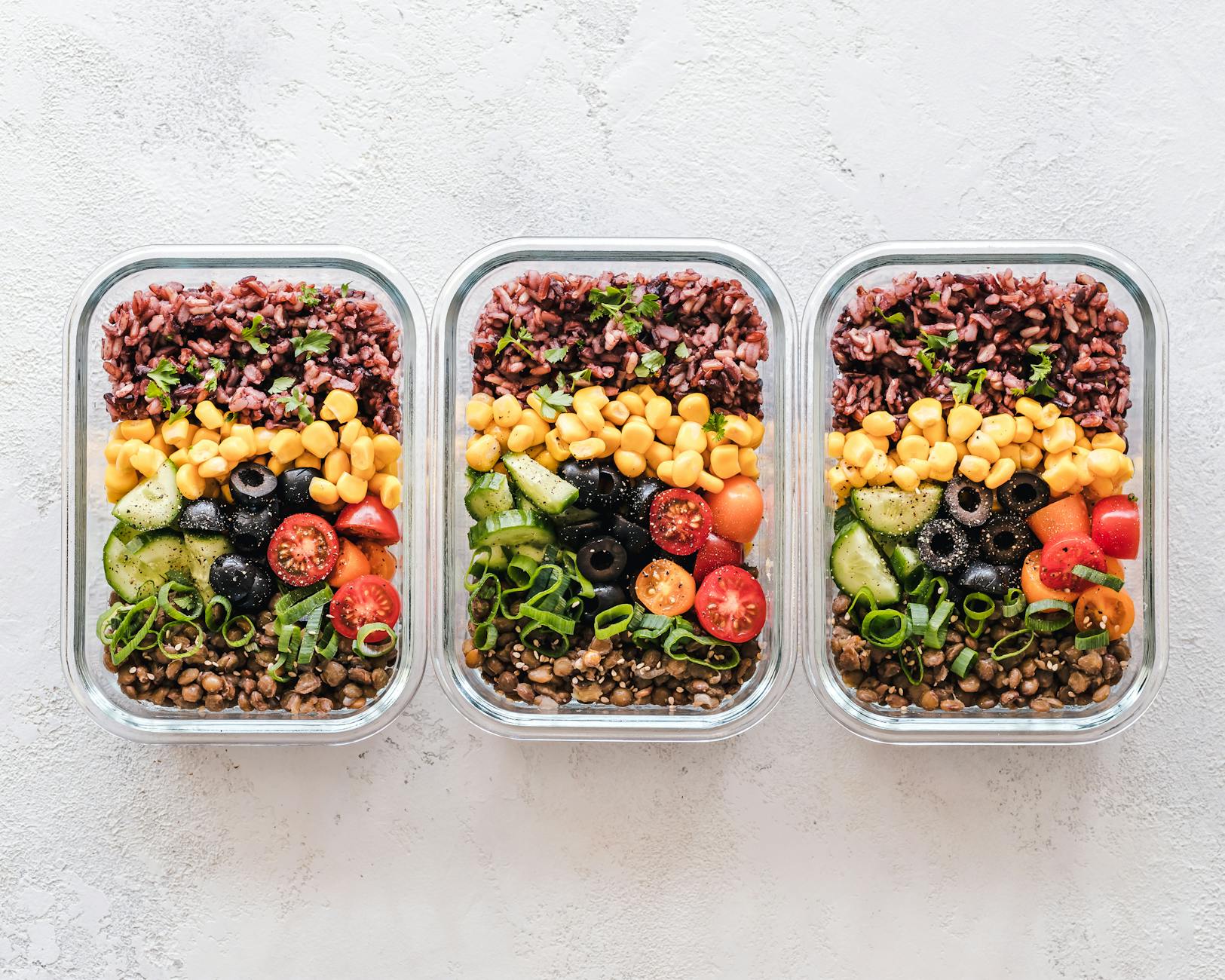
If your goal is to make this easier to repeat, think in templates rather than separate recipes. A few repeated breakfasts and lunches can reduce decision fatigue, similar to the approach used in meal plan with grocery list systems.
Simple snacks can include fruit, nuts, carrots with hummus, yogurt, or hard-boiled eggs. If you want more ideas for quick, portable meals, see quick healthy lunch ideas for practical combinations that also fit a biblical pattern.
A biblical diet meal plan works best when the shopping list is short and repeatable. Start with categories instead of recipes so you can swap items based on sales, season, or what your family already eats.
For US shoppers, this usually means one weekly trip plus a small produce top-off if needed. If you want to keep costs predictable, pairing this style with weekly grocery routine habits can help reduce waste and impulse buys.
For people who want a broader overview of menu structure, 7-day balanced meal plan with grocery list can be a useful reference point while you adapt the ideas to your faith preferences.
Is a biblical diet the same as a vegan diet?
No. Some people make it plant-based, but many biblical food plans include fish, eggs, dairy, or meat depending on personal practice.
What is the Daniel style meal plan?
It is a faith-based pattern often built around vegetables, legumes, fruit, grains, and water. Many people use it as a short-term reset rather than a permanent rule.
Can I lose weight on a biblical diet meal plan?
Possibly, if portions and total calories line up with your needs. The food choices matter, but consistency and portions matter just as much.
What should I watch out for?
Very restrictive versions can be low in protein, iron, calcium, or total calories. Add variety and adjust with a health professional if you have specific medical needs.
How do I make this practical for a busy week?
Use repeat meals, batch cooking, and a short grocery list. A simple template is usually easier to follow than a long list of special recipes.
Can this fit a family meal plan?
Yes. Start with familiar foods, then build around one grain, one protein, and two vegetables at dinner so everyone can customize the plate.
A biblical diet meal plan can be a practical way to eat with intention while keeping meals simple, familiar, and faith-aware. The most sustainable version is one you can shop for, cook, and repeat without feeling boxed in. Start with a few core foods, then adjust portions, protein, and variety to fit your life.