
October 2, 2026
Use this low carb vegan diet meal plan for a 7-day menu, protein staples, carb-smart swaps, and simple prep that keeps plant-based meals filling daily.
A low carb vegan diet meal plan should answer one practical question fast: what can you eat when you want fewer carbs but still want fully plant-based meals that feel like meals, not scattered snacks? The easiest answer is a week built around tofu, tempeh, seitan, edamame, nuts, seeds, avocado, non-starchy vegetables, and a few controlled portions of higher-carb plant foods.
This guide gives you a realistic 7-day structure, not a purity contest. A good low carb vegan plan keeps protein visible at each meal, uses carbs intentionally, and avoids the common trap of replacing grains with nothing. That is how the week stays filling.
The top-ranking pages agree on the basic problem: vegan diets can be carb-heavy because many staple foods are grains, beans, fruit, and starchy vegetables. That does not make a low carb vegan diet impossible. It means the plan needs a clear carb target and enough plant protein to keep meals satisfying.
For most readers, a practical starting range is roughly 75 to 130 grams of total carbs per day, adjusted for body size, training, appetite, and medical needs. That is lower than a standard higher-carb vegan pattern but not as restrictive as strict keto. If you have diabetes, kidney disease, a history of disordered eating, pregnancy, or complex medical needs, work with a clinician or registered dietitian instead of treating a web menu as a prescription.
Harvard's Protein guide is useful background here because the protein source matters, not only the number. The NHS vegan diet guidance is also a good reminder to plan for nutrients that are easier to miss when you remove all animal foods.
A strong low carb plant based meal plan starts with foods that solve protein, texture, and fullness at the same time. If the plan is just salad and willpower, it will probably collapse by day three. Cooking is easy; deciding what counts as dinner is the hard cardio.
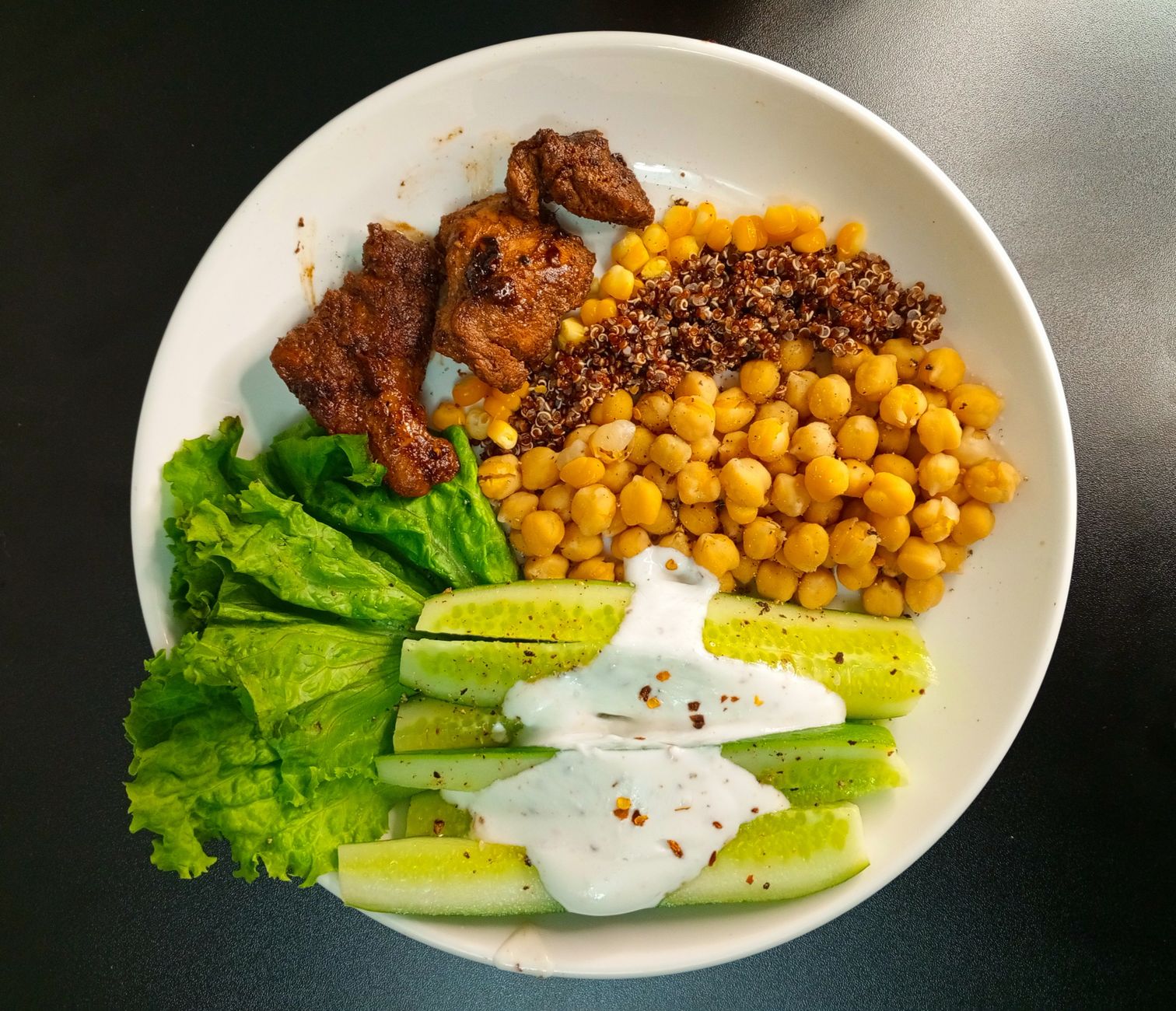
The competitors cover food lists well, but many underplay the execution detail: you need meal formats, not just ingredients. Bowls, lettuce wraps, tofu scrambles, zoodle dishes, cauliflower rice stir-fries, and high-protein smoothies make the same staples feel like complete meals.
For adjacent planning ideas, 7-Day Vegan Meal Plan can help with plant-based variety, while Vegetarian Weight Loss Meal Plan shows how to structure meals around fullness.
This 7 day low carb vegan meal plan uses breakfast, lunch, dinner, and one optional snack most days. Portions should move up or down based on your calorie needs. The point is the structure: protein first, vegetables second, carbs used intentionally.
Breakfast: tofu scramble with spinach, mushrooms, nutritional yeast, and avocado. Lunch: chopped salad with tempeh, cucumber, olives, pumpkin seeds, and tahini lemon dressing. Dinner: zucchini noodles with tofu, pesto, cherry tomatoes, and side greens. Snack: soy yogurt with chia and a few raspberries.
Breakfast: low-carb smoothie with pea protein, spinach, unsweetened almond milk, peanut butter, and frozen berries. Lunch: lettuce wraps with seitan strips, slaw, avocado, and lime sauce. Dinner: cauliflower rice stir-fry with tofu, bok choy, mushrooms, sesame oil, and edamame. Snack: celery with almond butter.
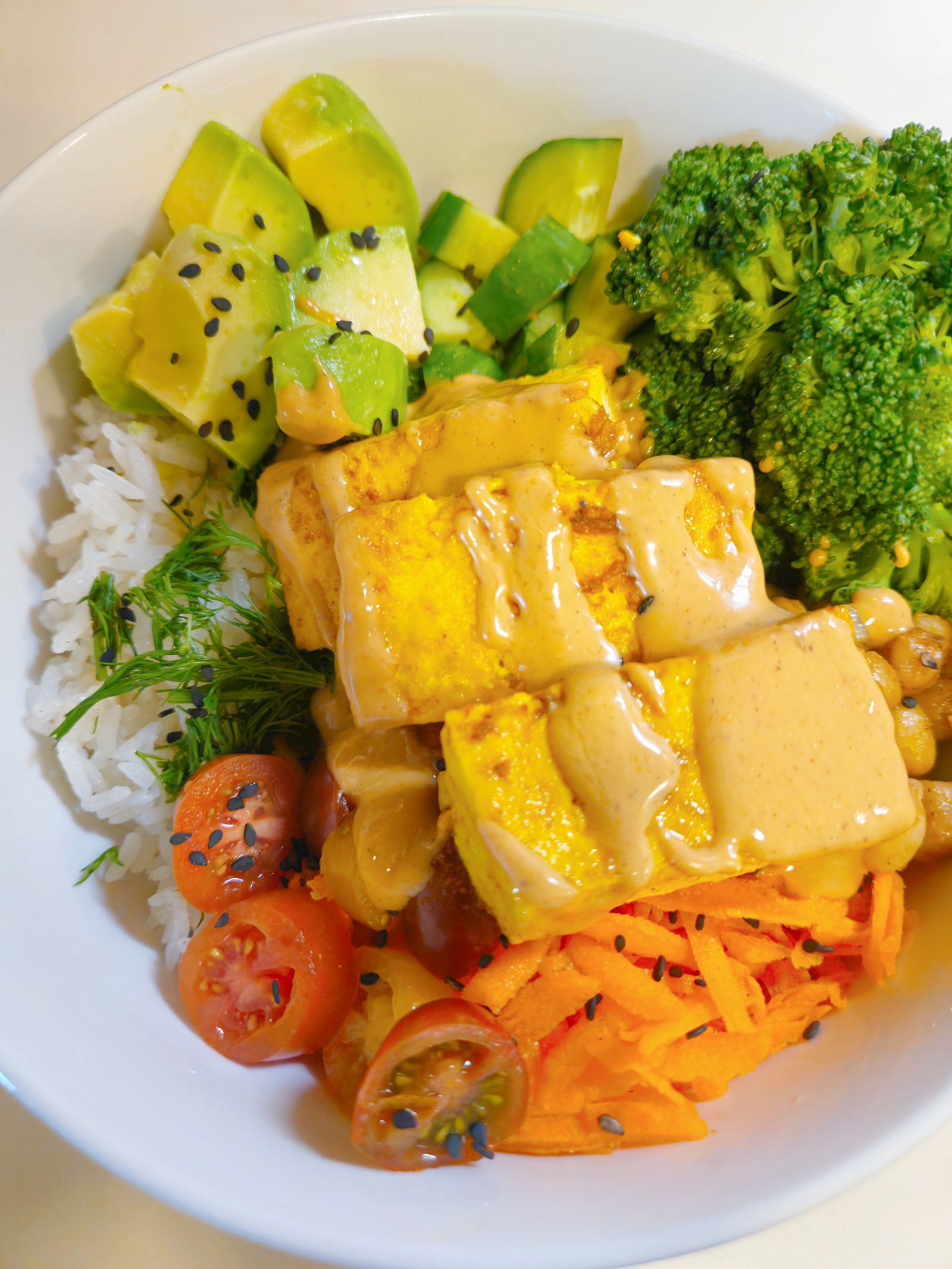
Breakfast: chia pudding with unsweetened coconut milk, hemp seeds, cinnamon, and berries. Lunch: tofu poke bowl over shredded lettuce and cauliflower rice with cucumber, radish, seaweed, and sesame. Dinner: tempeh with roasted broccoli, cabbage, tahini sauce, and a small quinoa portion if training demands it. Snack: walnuts or pumpkin seeds.
Breakfast: sauteed greens, tofu, avocado, and salsa in a bowl. Lunch: leftover tempeh salad with olives and sunflower seeds. Dinner: coconut curry with tofu, cauliflower, mushrooms, spinach, and shirataki noodles. Snack: protein shake with unsweetened almond milk.
Breakfast: soy yogurt with chia, hemp hearts, and berries. Lunch: low-carb wrap or lettuce wrap with seitan, cucumber, sprouts, and tahini. Dinner: bell peppers stuffed with tofu crumbles, cauliflower rice, tomatoes, herbs, and vegan cheese if you use it. Snack: olives and cucumber slices.
Breakfast: protein smoothie with spinach, pea protein, almond butter, and cocoa. Lunch: big salad with baked tofu, avocado, hemp seeds, and lemon dressing. Dinner: vegan low carb meals work well as stir-fries: use tempeh, cabbage, mushrooms, zucchini, sesame, and chili garlic sauce. Snack: roasted edamame.
Breakfast: tofu scramble using any remaining vegetables. Lunch: leftover curry or stir-fry over greens. Dinner: sheet-pan tofu with broccoli, asparagus, mushrooms, avocado sauce, and a small bean portion if needed. Snack: chia pudding or nuts.
Low-carb vegan eating gets expensive and annoying when every meal needs a new recipe. Prep components instead. Bake two blocks of tofu or tempeh, make one sauce, chop vegetables, wash greens, and keep cauliflower rice or shredded cabbage ready. That is enough structure to make dinner easier without turning Sunday into a production shift.
If your week changes often, Build your weekly plan in PlanEat AI. It can turn your vegan preferences, carb target, and cooking time into a swappable plan with a grouped grocery list instead of making you rebuild the week from scratch.
For grocery flow, Meal and Grocery Planner is the useful next step before adapting the meals.
Do not buy every low-carb specialty product at once. Try one or two. Some are useful, some taste like a compromise wearing a marketing budget. The boring staples usually work better.
Low-carb vegan plans can be nutritious, but the narrower the diet gets, the more intentional you need to be. The NIH Office of Dietary Supplements has useful fact sheets on vitamin B12, and B12 is not optional on a vegan diet. Also pay attention to calcium, iron, zinc, iodine, vitamin D, and omega-3 fats.
Protein deserves special attention too. Aim to include a clear protein source at breakfast, lunch, and dinner. A salad with avocado and seeds may be low carb and vegan, but it may not be enough protein for the day. Tofu, tempeh, seitan, edamame, and soy yogurt make the plan much easier.
A low carb vegan diet meal plan works when it is specific enough to shop from and flexible enough to repeat. Keep protein visible, carbs intentional, and the ingredient list short enough that the plan still looks usable on Thursday.
Yes, but it is easier as a moderate low-carb vegan diet than as strict keto. Use tofu, tempeh, seitan, edamame, nuts, seeds, avocado, and non-starchy vegetables as the base.
The most practical swaps are tofu, tempeh, seitan, edamame, soy yogurt, pea protein, hemp hearts, chia seeds, nuts, and small portions of beans or lentils.
Needs vary, but most people should put a visible protein source in each meal. Active people or people dieting may need more structure and should consider personalized guidance.
Yes, in controlled portions if they fit your carb target. Beans and lentils bring fiber and minerals, so removing them completely is not always the best move.
It can be if it creates a sustainable calorie deficit and keeps meals filling. Weight loss still depends on total intake, consistency, sleep, activity, and medical context.
A tofu or tempeh stir-fry with cabbage, mushrooms, zucchini, sesame sauce, and cauliflower rice is one of the easiest repeatable dinners.
A low carb vegan diet meal plan works when it is specific enough to shop from and flexible enough to repeat. Keep protein visible, carbs intentional, and the ingredient list short enough that the plan still looks usable on Thursday.