
PlanEat article cover
September 23, 2026
Simple 7-day vegan meal plan with balanced meals, protein coverage, prep tips, and a practical grocery list for easier plant-based eating all week at home.
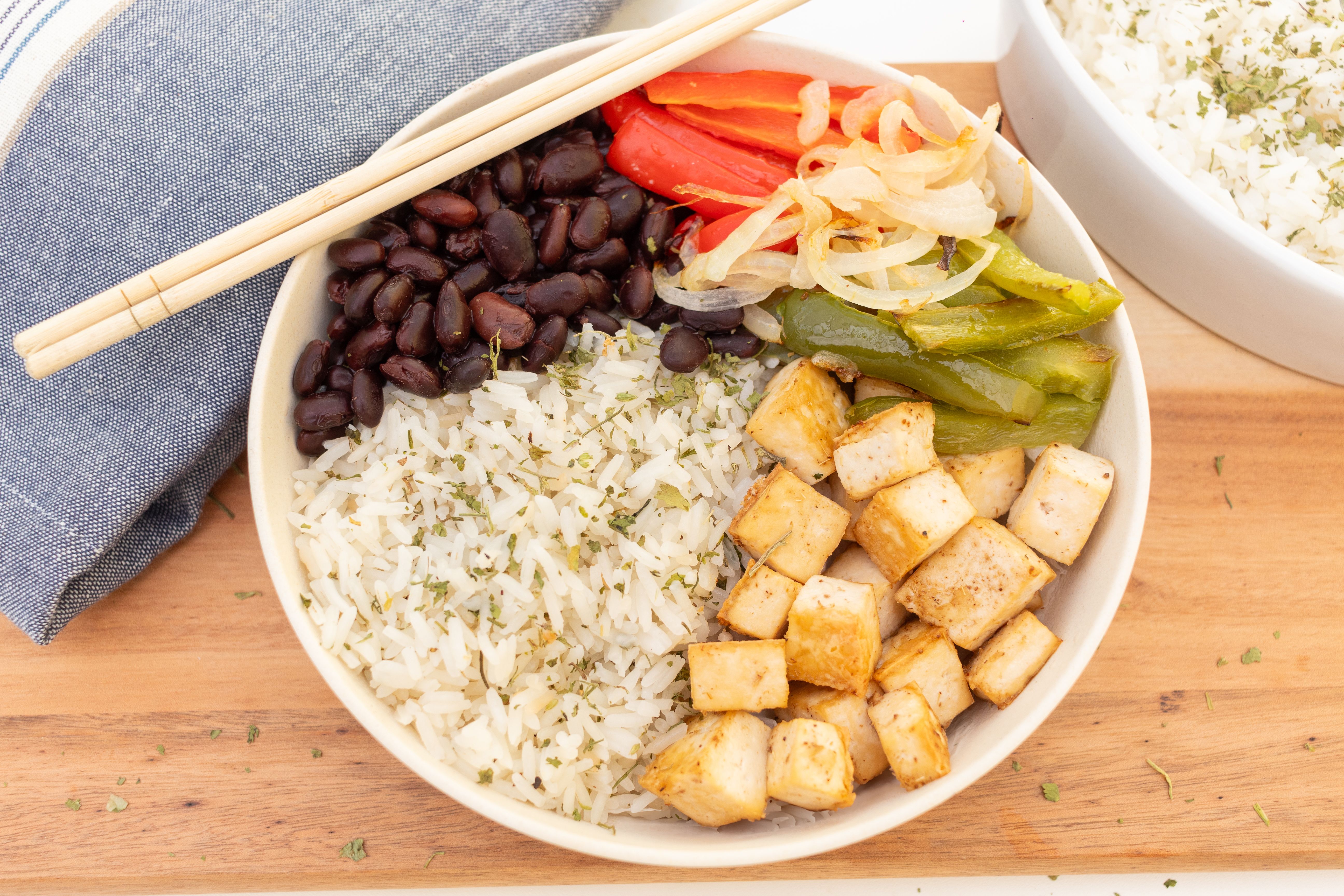
A 7 day vegan meal plan works best when it feels normal enough to repeat, not like a seven-day nutrition stunt. The easiest version uses balanced meals, repeat ingredients, clear protein anchors, and a grocery list that lets you shop once and stop improvising at 6 p.m.
This guide gives you a simple week of breakfasts, lunches, dinners, snacks, and prep cues. It is built for people who want a more practical plant based meal plan at home, whether you are fully vegan already or just trying to make vegan eating easier to follow consistently.
The strongest pages ranking for this topic all cover the same basics: a short nutrition setup, a full 7-day menu, prep notes, and shopping help. That structure makes sense because vegan planning usually breaks for practical reasons, not moral ones. The fridge fills with random produce, protein ends up too low, and by midweek dinner starts feeling like a small administrative error.
A useful vegan meal plan for beginners fixes those pain points first. It keeps breakfast and lunch simple, repeats a few dinner ingredients, and makes sure protein does not only show up by accident. If you want a softer on-ramp before this full week, Vegan Meal Planning for Beginners (Balanced & Easy) is a good companion read.
There is also no single perfect calorie target here. Some readers need more food, some less, and activity changes the picture fast. Think of this as a flexible framework you can scale, not a strict meal prescription.
Before the day-by-day plan, keep three simple rules in mind.
If balanced eating in general still feels fuzzy, Healthy Eating Basics: Build a Balanced Plate is worth reading before you customize this week.
Breakfast: overnight oats with soy milk, chia seeds, banana, and peanut butter.
Lunch: chickpea quinoa bowl with cucumber, tomatoes, greens, and tahini-lemon dressing.
Dinner: tofu stir-fry with broccoli, peppers, carrots, and rice.
Snack: soy yogurt with berries and pumpkin seeds.
Why it works: day one sets the tone with soy-based protein at breakfast and dinner, plus a lunch that holds up well if packed ahead.
Breakfast: tofu scramble with whole-grain toast and fruit.
Lunch: lentil soup with a side salad and olive oil vinaigrette.
Dinner: black bean burrito bowls with rice, salsa, corn, avocado, and shredded lettuce.
Snack: apple with almond butter.
Prep cue: make extra rice and burrito bowl toppings so tomorrow's lunch is halfway done.
Breakfast: soy yogurt bowl with granola, berries, and ground flax.
Lunch: leftover black bean burrito bowl with extra greens or roasted vegetables.
Dinner: lentil pasta with marinara, spinach, mushrooms, and a crunchy side salad.
Snack: edamame with lemon and salt.
Why it works: this is an easy middle-of-week dinner that feels familiar and still supports a stronger protein intake than random pasta alone.
Breakfast: smoothie with soy milk, frozen berries, oats, and a vegan protein blend if you use one.
Lunch: Mediterranean plate with hummus, roasted sweet potato, chickpeas, cucumber, tomatoes, and pita.
Dinner: tempeh peanut noodles with broccoli and shredded carrots.
Snack: trail mix and a clementine.
Adaptation note: if you are trying to steer this toward a cheap vegan meal plan, use extra tofu or chickpeas in place of tempeh and keep peanut sauce homemade.
Breakfast: chia pudding with soy milk, berries, and walnuts.
Lunch: chickpea salad wrap with lettuce, celery, lemon, and a side of fruit.
Dinner: sheet-pan roasted vegetables and tofu over brown rice with tahini drizzle.
Snack: roasted chickpeas.
Why it works: this is classic vegan meal prep logic. One tray, one grain base, one sauce, and tomorrow gets easier automatically.
Breakfast: oatmeal with soy milk, sliced pear, cinnamon, and hemp seeds.
Lunch: leftover sheet-pan bowl or a grain bowl built from whatever vegetables remain.
Dinner: red lentil curry with rice and a side of roasted cauliflower or green beans.
Snack: hummus with carrots, cucumbers, and crackers.
Adjustment idea: if you want this week to resemble a vegan meal plan for weight loss, keep snacks simple and portion fats intentionally rather than removing carbs completely.
Breakfast: avocado toast with tofu scramble or leftover tempeh.
Lunch: white bean pasta salad with chopped vegetables, herbs, olive oil, and lemon.
Dinner: flexible leftover bowls, wraps, or fried rice using remaining tofu, vegetables, beans, and sauce.
Snack: fruit plus peanut butter or a soy yogurt cup.
Why it works: a realistic week ends with a cleanup meal. This keeps the plan flexible instead of pretending fresh motivation appears every Sunday night.
If you prefer a broader mixed-diet template for comparison, 7-Day Balanced Meal Plan With Grocery List shows how the same weekly structure works outside a vegan-only setup.
The easiest way to stay on track is to make the week slightly boring in the right places. Cook a pot of rice or quinoa, bake tofu, wash greens, chop cucumbers and peppers, and mix one tahini dressing plus one peanut sauce. That turns several future meals into assembly instead of fresh cooking.
Keep breakfast repetitive on purpose. The internet likes novelty; your weekday brain usually does not. Two breakfast options and two lunch patterns are enough. If you need more structure around the weekly setup itself, Meal Planning Basics: How to Start is a solid refresher.
When the hardest part is turning your preferences into an actual weekly structure, Build your weekly plan in PlanEat AI and let it generate a reusable menu plus grouped shopping list around your schedule, dislikes, calorie range, and diet style. That is a much easier system than rebuilding the same vegan week from scratch every few days.
You do not need a second article for every variation. Keep the structure and change the levers.
The Vegan Society's practical page on vegan nutrition and health is useful if you want a basic checklist for nutrients while you customize.
A vegan week gets much easier when meals repeat useful ingredients, protein shows up on purpose, and one grocery list covers the whole plan.
A balanced vegan meal plan should include a clear protein source at each main meal, fiber-rich carbs, fruit or vegetables, and some fat for staying power. It also helps to repeat ingredients so the week stays practical.
Use tofu, tempeh, lentils, beans, edamame, soy milk, soy yogurt, and sometimes seitan if you tolerate it. The easiest fix is to choose one obvious protein anchor per meal instead of hoping it adds up on its own.
Yes, but only if portions match your needs. Weight loss usually comes from the overall energy balance, not from the word vegan. Keep meals balanced, moderate higher-calorie extras, and avoid turning the plan into a low-protein salad week.
Usually 60 to 90 minutes is enough for grains, baked tofu, chopped vegetables, and two sauces. That short prep block removes a lot of weekday friction.
You do not need them. Repeating ingredients and reworking leftovers is exactly what makes a vegan week easier, cheaper, and more sustainable.
A vegan week gets much easier when meals repeat useful ingredients, protein shows up on purpose, and one grocery list covers the whole plan.