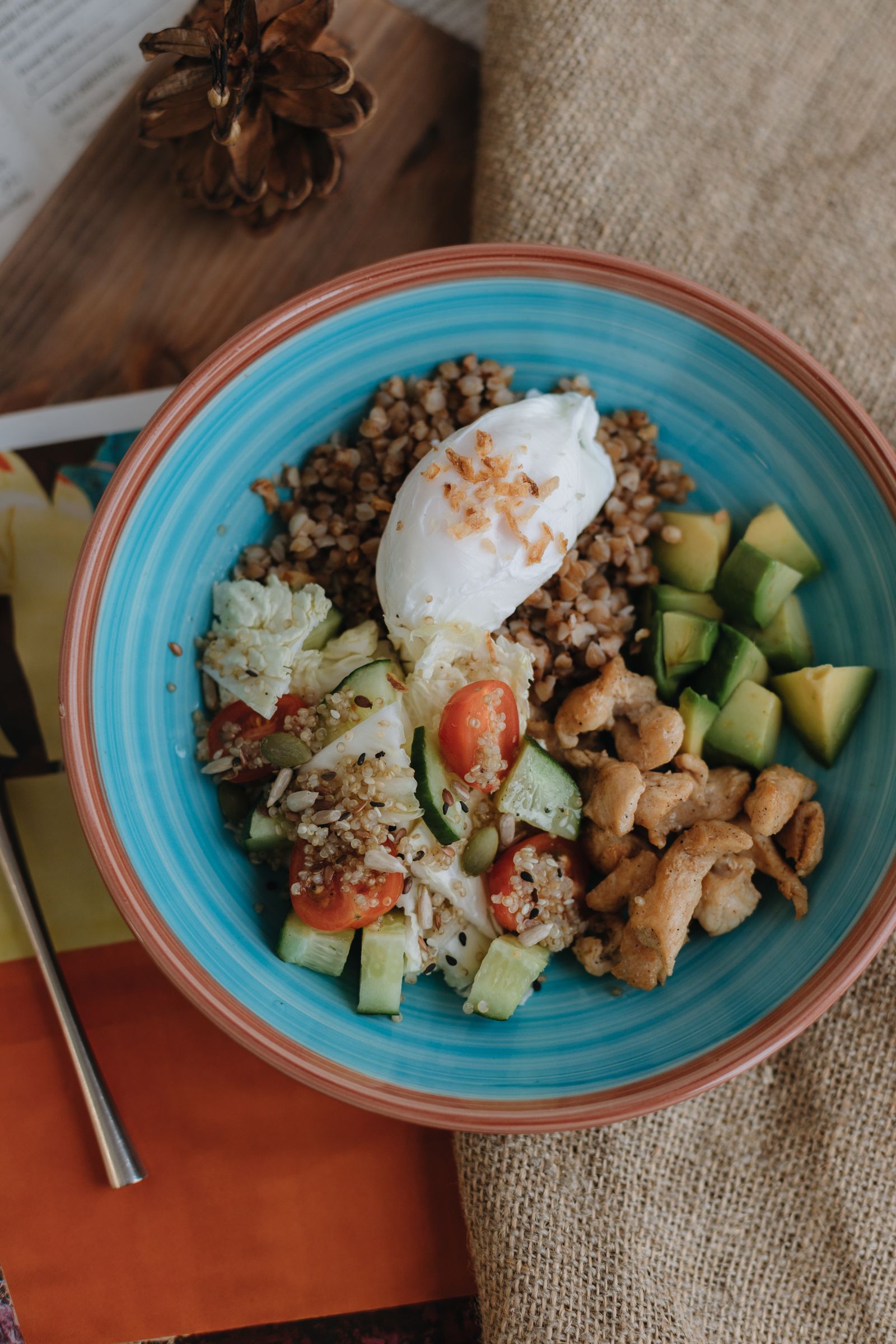
Vegetarian Weight Loss Meal Plan: 7-Day Menu Guide

Vegetarian Weight Loss Meal Plan: 7-Day Guide

A vegetarian weight loss meal plan works when it reduces calories without shrinking meals into sadness. The practical version uses protein at each meal, high-fiber foods that keep you full, and a weekly structure you can actually repeat once the week gets loud.

This vegetarian diet meal plan for weight loss gives you the format the current search results lean on most: foods to build around, foods to limit, a full 7-day menu, a grocery list, and simple prep rules that make the plan easier to stick to.

TL;DR

  • Use protein anchors like Greek yogurt, eggs, tofu, tempeh, lentils, beans, and cottage cheese at every main meal.
  • Build most plates from vegetables, a protein source, a smart carb, and a measured amount of fat instead of relying on “healthy” snacks all day.
  • A strong vegetarian weekly meal plan repeats ingredients on purpose so shopping stays smaller and weeknight meals stay faster.
  • For weight loss, the biggest traps are liquid calories, oversized portions of calorie-dense vegetarian foods, and not enough protein at breakfast or lunch.
  • You do not need a crash diet. You need a 7-day structure that is filling enough to survive Wednesday.

What makes a vegetarian weight loss meal plan actually work

The strongest competitor pages repeat the same backbone: whole foods, fiber, protein, and a sample week. They are right about the structure, but many stay vague on execution. Healthline emphasizes that weight loss still depends on food quality, portion awareness, and limiting refined, highly processed vegetarian foods. Second Nature adds the nutrient lens that many people miss: a useful vegetarian week should also cover protein, calcium, iron, and vitamin B12.

If you came here looking for a plan that helps with body composition, hunger control, and day-to-day consistency, the answer is not “eat less salad.” It is better meal assembly. Start with one protein source, add vegetables or fruit, use whole-grain or starchy carbs strategically, and keep calorie-dense extras like nuts, cheese, granola, oils, and nut butters intentional rather than accidental.

For a quick visual of how those meals should look, Healthy Eating Basics: Build a Balanced Plate is a useful companion.

Foods to eat more often on a vegetarian cut

A good vegetarian weight loss meal plan is not built around fake nuggets and motivational speeches. It is built around foods that are filling per calorie and easy to repeat.

  • Proteins: Greek yogurt, skyr, cottage cheese, eggs, tofu, tempeh, edamame, lentils, chickpeas, black beans.
  • High-fiber carbs: oats, potatoes, quinoa, brown rice, whole-grain bread, whole-grain wraps, beans, fruit.
  • Produce: leafy greens, broccoli, peppers, carrots, tomatoes, cucumbers, berries, apples, citrus.
  • Fats with a job: olive oil, avocado, nuts, seeds, tahini, peanut butter in measured amounts.
  • Convenience helpers: frozen vegetables, canned beans, pre-cooked lentils, microwave rice, plain yogurt, hard-boiled eggs.

Protein is where many vegetarian fat-loss attempts go sideways. Harvard Nutrition Source’s protein guide is a solid baseline, and the Academy of Nutrition and Dietetics also has a practical overview of building a vegetarian diet.

What to keep smaller or less frequent

You can absolutely lose weight while vegetarian, but vegetarian does not automatically mean light. Fitterfly and Nourish both reflect the same pattern: refined grains, fried snack foods, sugary drinks, and oversized “healthy” toppings can eat the calorie budget faster than people expect.

  • Granola portions that turn breakfast into dessert.
  • Nut butters, trail mix, cheese, and avocado used like free foods.
  • Juices, sweet coffees, and smoothies with more calories than lunch.
  • Highly processed vegetarian convenience foods with low satiety.
  • “Cheat” dinners that erase the structure from the rest of the day.

If appetite is your main problem, keep meals bulky before you keep them tiny. Foods That Keep You Full Longer can help you choose meals that do more than just look virtuous.

7-day vegetarian weight loss meal plan

This 7 day vegetarian diet meal plan is designed to feel balanced, not punishing. Calories are approximate, and the structure matters more than perfect arithmetic.

Day 1

  • Breakfast: Greek yogurt bowl with berries, chia seeds, and 1/3 cup granola.
  • Lunch: Lentil soup, side salad, and one slice of whole-grain toast.
  • Dinner: Tofu stir-fry with broccoli, peppers, carrots, and 3/4 cup cooked rice.
  • Snack: Apple with 1 tablespoon peanut butter.

Day 2

  • Breakfast: Oatmeal with milk, banana, cinnamon, and pumpkin seeds.
  • Lunch: Chickpea wrap with cucumber, tomato, spinach, and yogurt-herb sauce.
  • Dinner: Black bean taco bowls with rice, salsa, lettuce, corn, and avocado.
  • Snack: Cottage cheese with pineapple.

Day 3

  • Breakfast: Veggie omelet with spinach, mushrooms, and whole-grain toast.
  • Lunch: Quinoa salad with roasted vegetables, feta, and extra chickpeas.
  • Dinner: Red lentil pasta with zucchini, tomato sauce, and side greens.
  • Snack: Carrots and hummus.

Day 4

  • Breakfast: Smoothie with Greek yogurt, frozen berries, spinach, and oats.
  • Lunch: Egg and white bean salad with greens, cucumber, tomatoes, and vinaigrette.
  • Dinner: Sheet-pan tofu, potatoes, green beans, and red onion.
  • Snack: Orange plus a small handful of almonds.

Day 5

  • Breakfast: Cottage cheese bowl with berries, flax, and sliced kiwi.
  • Lunch: Leftover tofu bowl with rice, vegetables, and tahini-lemon drizzle.
  • Dinner: Vegetarian chili with beans, peppers, tomatoes, and a dollop of Greek yogurt.
  • Snack: Roasted chickpeas.

Day 6

  • Breakfast: Overnight oats with chia, cinnamon, and chopped apple.
  • Lunch: Hummus plate with hard-boiled eggs, cucumbers, carrots, whole-grain crackers, and fruit.
  • Dinner: Paneer or tofu curry with mixed vegetables and a moderate scoop of rice.
  • Snack: Skyr or plain Greek yogurt.

Day 7

  • Breakfast: Avocado toast with a side of yogurt or two eggs.
  • Lunch: Leftover chili over baked potato or greens.
  • Dinner: Lentil and vegetable bake with side salad and roasted broccoli.
  • Snack: Pear with walnuts.

If building this from scratch every week is what makes you quit, Try PlanEat AI on the App Store to turn your calorie target, food dislikes, and cooking time into a weekly plan you can swap instead of rewriting from zero.

Grocery list and prep moves that make the week easier

The best vegetarian weekly meal plan is the one with overlap. Buy fewer ingredients that can show up in several meals, and prep just enough that dinner does not become a fresh negotiation every night.

  • Protein: Greek yogurt, cottage cheese, eggs, tofu, lentils, chickpeas, black beans, skyr.
  • Carbs: oats, rice, quinoa, potatoes, whole-grain wraps, whole-grain bread, lentil pasta.
  • Produce: berries, apples, citrus, spinach, mixed greens, peppers, broccoli, cucumbers, onions, tomatoes, carrots.
  • Flavor: olive oil, salsa, tahini, garlic, lemon, herbs, chili flakes, cumin.

Prep once, benefit multiple times:

  • Cook one grain and one legume base early in the week.
  • Roast one tray of vegetables for lunches and bowls.
  • Boil a few eggs or keep extra tofu ready for fast lunches.
  • Wash fruit and portion one or two snacks ahead of time.

If you prefer simpler portion cues over calorie tracking, Portion Control Made Easy (No Scale Needed) pairs well with this approach. If you want a stronger protein version of the same idea, Vegetarian High-Protein Meal Plan (7-Day) is the next step.

Common mistakes that quietly stop progress

  • Breakfast too low in protein: cereal or toast alone often leads to rebound hunger later.
  • Vegetarian in name, processed in practice: meatless nuggets and snack foods are easy to overeat.
  • No plan for snacks: random grazing can beat the calories in a full meal.
  • Too little volume: tiny meals create fake discipline and real cravings.
  • No fallback dinner: keep one fast backup so the plan survives low-energy days.

The CDC’s healthy weight loss guidance is still the right reminder here: sustainable progress comes from repeatable habits, not aggressive short cuts.

The best vegetarian weight loss meal plan is not the strictest one. It is the one you can repeat with enough protein, enough produce, and enough flexibility to survive a busy week.

FAQ

Can I lose weight on a vegetarian diet without counting calories?

Yes, many people can, especially if meals are built around protein, fiber, and portion awareness. The tradeoff is that you still need structure. “Healthy” vegetarian foods can be easy to overeat if portions stay vague.

How much protein should a vegetarian weight loss meal plan include?

A useful starting point is protein at every meal and one protein-forward snack when needed. Exact needs vary, but spreading protein across breakfast, lunch, and dinner usually improves fullness and makes the plan easier to follow.

Is this vegetarian fat loss meal plan still okay if I do not count calories?

Yes. This vegetarian fat loss meal plan is built around plate structure, repeat meals, and ingredient overlap, which helps many people stay consistent without logging everything. If progress stalls, adjust portions before rebuilding the whole plan.

What makes a fat loss meal plan vegetarian adults can repeat different from a crash diet?

A fat loss meal plan vegetarian adults can keep following has enough protein, enough food volume, and enough flexibility for real life. Crash diets usually fail because they depend on hunger, boredom, and unrealistic precision.

Can this 7 day vegetarian diet meal plan be vegan?

Yes. Swap dairy for fortified soy yogurt or plant alternatives, replace eggs with tofu or extra legumes, and pay attention to nutrients such as vitamin B12, iron, and calcium.

Key takeaway

The best vegetarian weight loss meal plan is not the strictest one. It is the one you can repeat with enough protein, enough produce, and enough flexibility to survive a busy week.