
October 2, 2026
A practical 2026 guide to healthy eating on a budget, with realistic food choices, grocery tactics, and planning tips that help you reduce waste without strict rules.

TL;DR: Eating healthy on a budget in 2026 is less about finding perfect discount hacks and more about repeating a simple pattern. Build meals around affordable protein, high fiber carbs, vegetables, and small amounts of healthy fat, shop with a focused list, and reduce waste instead of chasing complicated rules.
Before changing what you buy, it helps to understand what drives your costs.
A more sustainable approach is to choose a small set of affordable basics and use them in several meals. For a structure you can reuse across weeks, Healthy Eating on a Budget: 24 Practical Tips gives additional ideas that pair well with this 2026 update.
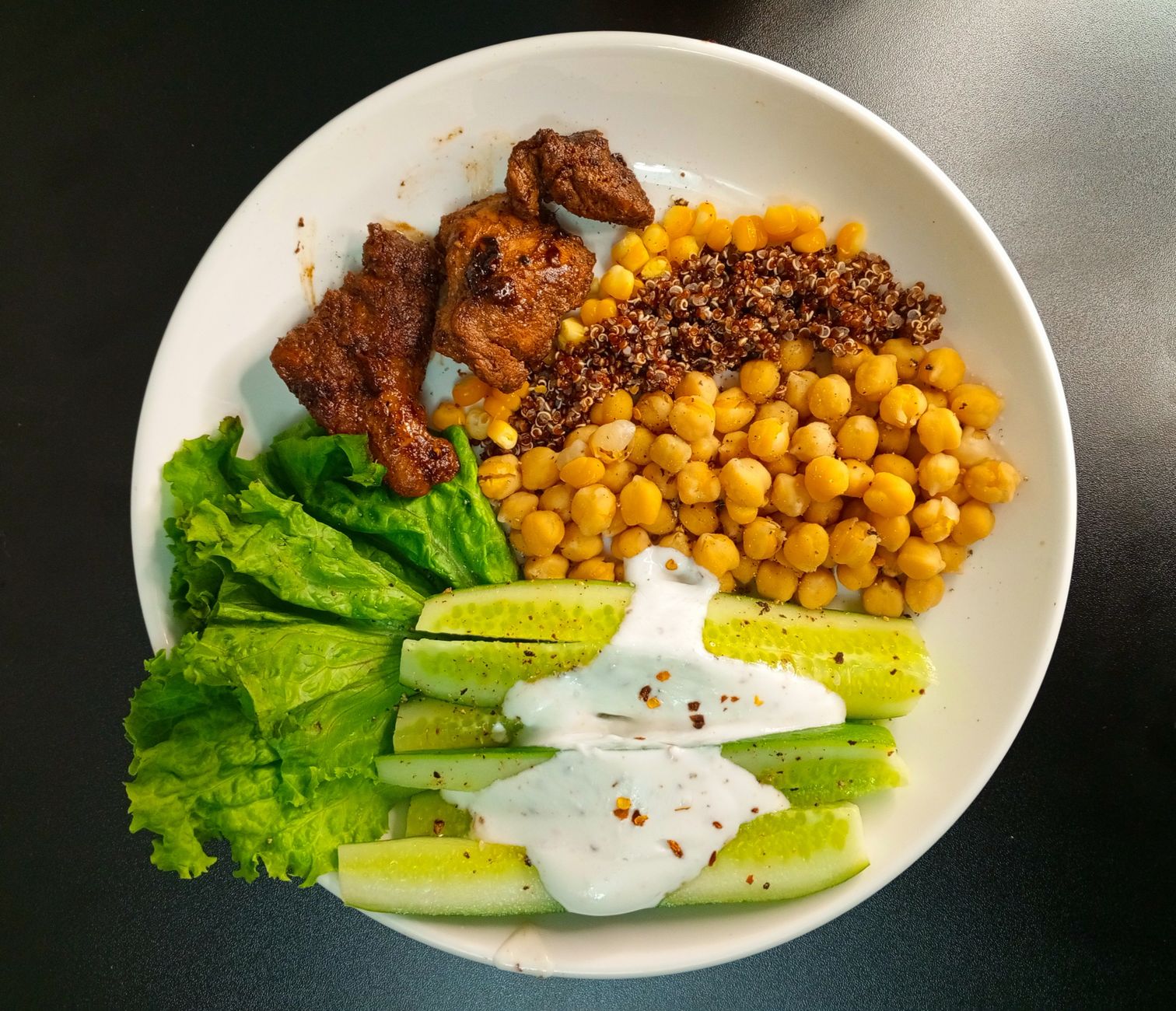
A simple plate pattern makes choices easier and cheaper because you buy fewer types of food and use them more often.
Aim for protein plus high fiber carbs plus vegetables at most meals, with fats used more like a flavor tool than the main ingredient.
If you like the idea of repeating simple patterns but do not want to plan from scratch every week, PlanEat AI can generate a weekly meal plan and grouped grocery list based on your goals, time, and food preferences, so you can focus on cooking what you actually bought.
Once your pattern is clear, shopping becomes much simpler.
Use the same bag of rice, carton of eggs, or pack of frozen vegetables in several meals so you finish what you buy instead of throwing it away.
Write your list by store sections like produce, dairy, pantry, and freezer. This reduces wandering and duplicate items. For more ideas on structuring your list, Grocery List Structure & Money-Saving Tips shows how to organize items in a way that saves both time and money.
Store brands are often similar in quality to name brands at a lower price. Frozen vegetables and fruit can be cheaper and reduce waste because they last longer.
Check what is on sale among your usual staples rather than building your entire cart around discounts on foods you do not normally eat.
If you want a deeper dive into specific money saving tactics, 25 Ways to Save Money on Groceries (Without Coupons) expands on many of these ideas with more examples.
Planning does not have to be complicated to save real money.
Make extra portions of dinners that reheat well and pack them for lunch. This cuts both food waste and the urge to order food because nothing is ready.
Cook larger batches of soup, chili, or baked chicken and freeze portions for later weeks. This turns good weekends into future safety nets for busier times.
For a full example of how a budget friendly week can look, including prices per serving, Budget 7 Day Meal Plan (Under $2/Serving) gives a concrete blueprint you can adapt.
When you find a week of meals that fits your budget and feels realistic, you can save it as a reusable plan in PlanEat AI, keep the same grouped grocery list, and swap a few dinners or lunches in seconds instead of rebuilding the whole plan.
In most cases, yes, especially when you use simple ingredients and repeat meals. Ready meals and takeout usually charge you for convenience and packaging. Cooking basic recipes with overlapping ingredients spreads the cost across more portions.
No. If your budget is tight, it usually makes more sense to focus on overall food quality, more vegetables, and less ultra processed food first. You can choose a few organic items later if you want and if your budget allows.
Yes, but it helps to be intentional. Choose a few snacks you genuinely enjoy, buy them in planned amounts, and build the rest of your meals around protein and fiber rich foods. This keeps both your budget and overall intake more predictable.
Start by tracking what you throw away each week and what you buy but rarely use. Then simplify your menu, reduce the number of different ingredients you buy, and focus on finishing what is already at home before adding more variety.
Educational content only, not medical advice.
A practical 2026 guide to healthy eating on a budget, with realistic food choices, grocery tactics, and planning tips that help you reduce waste without strict rules.