
October 2, 2026
A realistic 2026 guide to healthy eating for people working long 9 to 9 days. Practical meal planning tips for busy schedules.

TL;DR: Working 9 to 9 makes healthy eating harder, but not impossible. The key is reducing daily food decisions and relying on simple structure rather than motivation or strict rules.
When workdays stretch from morning to late evening, food decisions often happen under stress and time pressure. Skipped meals, late takeout, and constant snacking become the default not because of lack of discipline, but because mental energy is limited after long hours.
Most people with 9 to 9 schedules already understand what healthy eating looks like. The challenge is execution. Without planning, even strong intentions fall apart by midweek. This pattern is common among busy professionals, as described in Meal Planning for Busy Professionals.
For people working long hours, PlanEat AI helps by creating a weekly meal plan and a grouped grocery list based on goals, dislikes, and available cooking time. This removes the daily question of what to eat and reduces decision fatigue.
Healthy eating with long hours depends on predictability. Meals that require daily cooking or constant variety are difficult to sustain. Repeating familiar meals and planning around energy levels is more realistic.
Light meal prep once or twice a week often covers most needs. Simple breakfasts, reheat friendly lunches, and low effort dinners make consistency possible. This approach mirrors the structure shown in 2-Hour Weekend Meal Prep: Cook Once, Eat All Week.
Energy typically drops mid afternoon and late evening during long workdays. Planning meals around these moments helps prevent overeating or emergency snacking.
Protein rich breakfasts reduce mid morning crashes. Balanced lunches help maintain focus. Light dinners with protein and vegetables support recovery without disrupting sleep. These principles align with Healthy Eating Basics: Build a Balanced Plate.
Planning meals ahead removes dozens of small decisions from the week. Grocery shopping becomes faster, and weekday evenings feel less chaotic.
Even a basic plan reduces stress, especially when meals repeat. This is why planning often outperforms tracking, as discussed in Calorie Counting vs Meal Planning: What Works Better?.
With PlanEat AI, you can reuse weekly plans, swap meals quickly, and keep protein and fiber consistent. This makes healthy eating feel manageable even during intense workweeks.
This example shows how a full day of eating can look when time and energy are limited. Meals are simple, repeatable, and designed to minimize decisions.
Breakfast is quick and protein focused, such as Greek yogurt with oats and berries or eggs with toast. It supports steady energy through the morning without heavy prep.
Lunch is reheat friendly, for example chicken, rice, and vegetables cooked in advance. Having lunch ready prevents last-minute takeout and keeps the workday predictable.
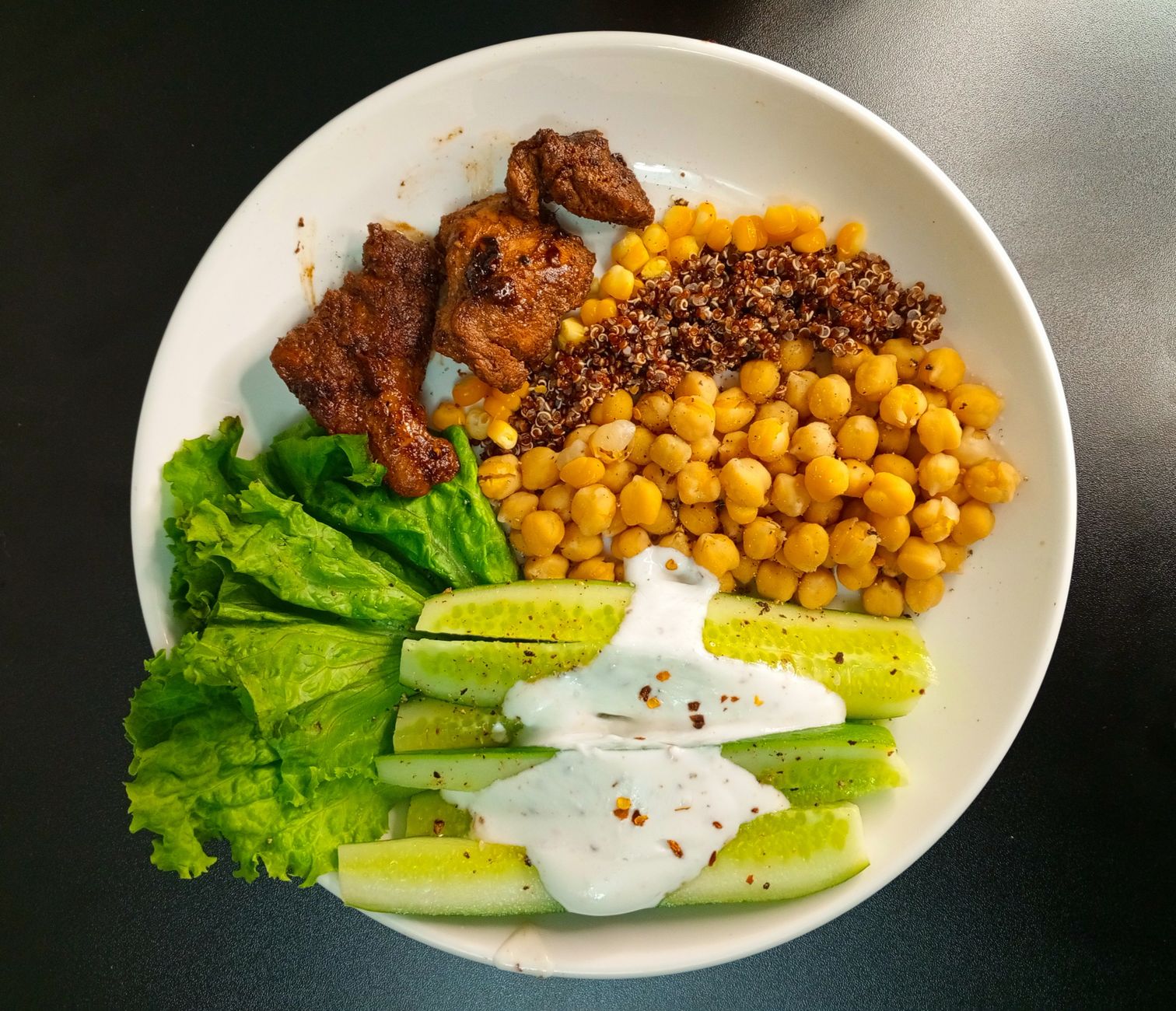
Dinner stays light and simple. A basic protein with vegetables, like salmon with zucchini or a bean-based bowl, helps recovery without feeling heavy late at night.
Yes. It requires structure, not perfection. Planning meals ahead makes healthy choices the default.
No. Repeating meals and using leftovers is often more effective than daily cooking.
Simple dinners with protein and vegetables tend to support recovery without feeling heavy.
Regular meals with enough protein and fiber help reduce energy dips that trigger snacking.
Most people find the time saved during the week outweighs the short planning time on weekends.
Educational content only, not medical advice.
A realistic 2026 guide to healthy eating for people working long 9 to 9 days. Practical meal planning tips for busy schedules.