
September 30, 2026
Use this high protein low fat meal plan for lean protein ideas, balanced meals, moderate healthy fats, simple meal prep, and a flexible grocery list for a week.

A **high protein low fat meal plan** can emphasize lean protein foods while still including dietary fat. "Low fat" should not mean fat-free. The American Heart Association notes that unsaturated fats provide essential fatty acids and nutrients, so a balanced plan can limit high-saturated-fat choices while keeping moderate amounts of olive oil, nuts, seeds, avocado, and fish.
This weekly template avoids universal protein or fat targets. The right amount depends on the person, activity level, overall energy needs, and food preferences.
**Educational note:** this is a general meal-planning example, not a medical diet or weight-loss prescription. If you have a condition that requires a specific fat or protein intake, follow individualized guidance.
**Low fat high protein meals** can be built from lean protein foods plus vegetables, fruit, grains, and modest amounts of unsaturated fat.
Examples include:
USDA MyPlate recommends variety among protein foods and lists seafood, meat, poultry, eggs, beans, peas, lentils, nuts, seeds, and soy products as protein options.
The goal is not to remove every higher-fat food. It is to make leaner protein choices the foundation while using fats intentionally.
This **lean protein meal plan** uses practical meals that can be repeated or swapped.
Breakfast: Plain Greek yogurt with oats, berries, and a small portion of seeds.
Lunch: Grilled chicken or tofu rice bowl with broccoli, carrots, greens, and yogurt-herb dressing.
Dinner: Baked white fish with potatoes, green beans, and salad.
Breakfast: Eggs and egg whites with spinach, tomato, whole-grain toast, and fruit.
Lunch: Leftover fish and potato bowl with greens.
Snack: Low-fat cottage cheese or soy yogurt with fruit.
Dinner: Turkey, lentil, or bean chili with vegetables and rice.
Breakfast: Oatmeal with milk or fortified soy milk, banana, and Greek yogurt.
Lunch: Leftover chili.
Snack: Fruit with yogurt.
Dinner: Chicken or tofu stir-fry with broccoli, mushrooms, carrots, and rice.
Breakfast: Greek yogurt with berries, oats, and cinnamon.
Lunch: Leftover stir-fry bowl.
Snack: Hummus with vegetables.
Dinner: Whole-wheat pasta with chicken, white beans, tomato sauce, and spinach.
Breakfast: Vegetable omelet with toast and fruit.
Lunch: Leftover pasta with salad.
Snack: Cottage cheese, yogurt, or edamame.
Dinner: Shrimp, fish, chicken, or tofu tacos with cabbage, tomato, salsa, and avocado in a modest portion.
Breakfast: Oatmeal with berries and yogurt.
Lunch: Taco bowl using leftover protein and vegetables.
Snack: Fruit with a small serving of nuts.
Dinner: Sheet-pan chicken or tofu with potatoes, broccoli, carrots, and a measured amount of olive oil.
Breakfast: Eggs with vegetables, toast, and fruit.
Lunch: Leftover sheet-pan bowl.
Snack: Greek yogurt with berries.
Dinner: Lentil and vegetable soup with whole-grain bread and a lean protein addition if desired.
Dietary fat has important roles in the body. The AHA recommends replacing sources of saturated fat with foods containing monounsaturated and polyunsaturated fats rather than trying to remove fat entirely.
Useful sources can include:
In a lower-fat meal plan, the portions of these foods may be moderate rather than large.
You can also reduce saturated fat by choosing leaner cuts of meat, skinless poultry, lower-fat dairy if used, and plant proteins such as beans, lentils, and tofu.
A meal can be lower in fat without being dry or bland. Lemon, vinegar, herbs, garlic, yogurt-based sauces, salsa, mustard, spices, and roasted vegetables can add flavor.
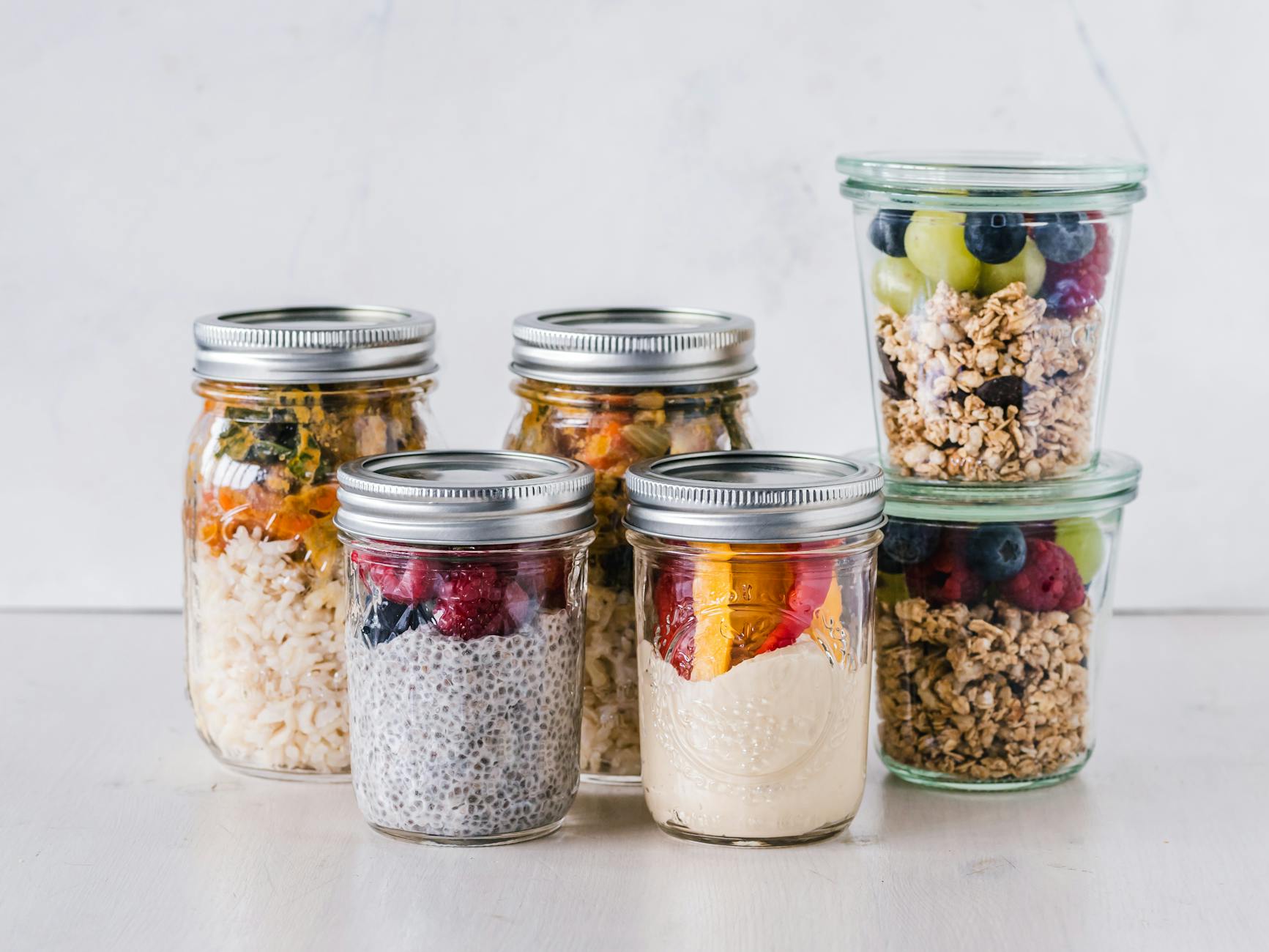
A simple **high protein meal prep** session can include:
This structure makes it easier to assemble bowls, wraps, stir-fries, and dinners without relying on heavily fried or creamy meals.
Cooking method matters too. Baking, grilling, steaming, air frying without excessive oil, and sautéing with a measured amount of oil can help keep fat intake lower than deep frying or heavy cream-based preparation.
A flexible **high protein low fat grocery list** can include:
You do not need every item. Choose several proteins that fit your budget and preferences.
**Balanced low fat meals** should still include enough food to be satisfying.
One mistake is removing so much fat that meals become difficult to enjoy. Another is replacing fat with large amounts of added sugar or highly refined foods simply because they are labeled low fat.
A third mistake is focusing only on protein and forgetting vegetables, fruit, grains, legumes, and other nutrient-dense foods.
The current Dietary Guidelines for Americans emphasize a varied pattern built from protein foods, dairy, vegetables, fruits, healthy fats, and whole grains. A lower-fat plan can still follow that broader structure.
If your goal is sports performance, muscle gain, weight change, or management of a medical condition, the exact macronutrient balance may need to be personalized.
If planning the week manually feels repetitive, PlanEat AI on the App Store can turn your preferences, goals, and cooking constraints into a weekly meal plan and grocery list.
No. Low fat does not need to mean fat-free. Moderate portions of unsaturated fat sources such as olive oil, nuts, seeds, avocado, and fish can fit.
Examples include skinless poultry, many fish and seafood options, eggs, low-fat dairy foods, tofu, beans, lentils, and other foods depending on your preferences.
Yes. Use tofu, tempeh, beans, lentils, edamame, eggs, low-fat dairy foods if used, and other suitable vegetarian protein sources.
No. Protein and fat distribution alone do not determine whether someone loses weight. Total intake and individual energy needs matter.
Use this high protein low fat meal plan for lean protein ideas, balanced meals, moderate healthy fats, simple meal prep, and a flexible grocery list for a week.