
September 26, 2026
Follow a high protein no sugar meal plan focused on reducing added sugar, with balanced meals, protein-rich foods, label tips, meal prep, and groceries.
A **high protein no sugar meal plan** is more useful when "no sugar" means reducing or avoiding **added sugar**, not eliminating every food that naturally contains sugar. Fruit, plain dairy, and vegetables can contain naturally occurring sugars while still fitting a balanced eating pattern.
The FDA distinguishes total sugars from added sugars on the Nutrition Facts label. Added sugars include sugars added during processing as well as syrups, honey, and concentrated fruit or vegetable juices used as sweeteners. This plan focuses on minimizing added sugar while keeping normal foods such as fruit and plain yogurt.
**Educational note:** this is a general meal-planning template, not a treatment plan. If you have diabetes, another medical condition, or a prescribed carbohydrate or sugar target, follow individualized guidance from your healthcare team.
A **no added sugar meal plan** starts with the Nutrition Facts label.
The FDA lists "Total Sugars" and "Includes Added Sugars" separately. A plain yogurt can contain naturally occurring milk sugar while having no added sugar. Whole fruit also contains natural sugar but is different from candy, sweetened drinks, or desserts with added sweeteners.
When shopping, compare products such as:
You do not need to eliminate every packaged food. The goal is to notice where added sugar appears and decide which products fit your plan.
These **low sugar high protein meals** use foods with no or minimal added sugar when you choose appropriate products.
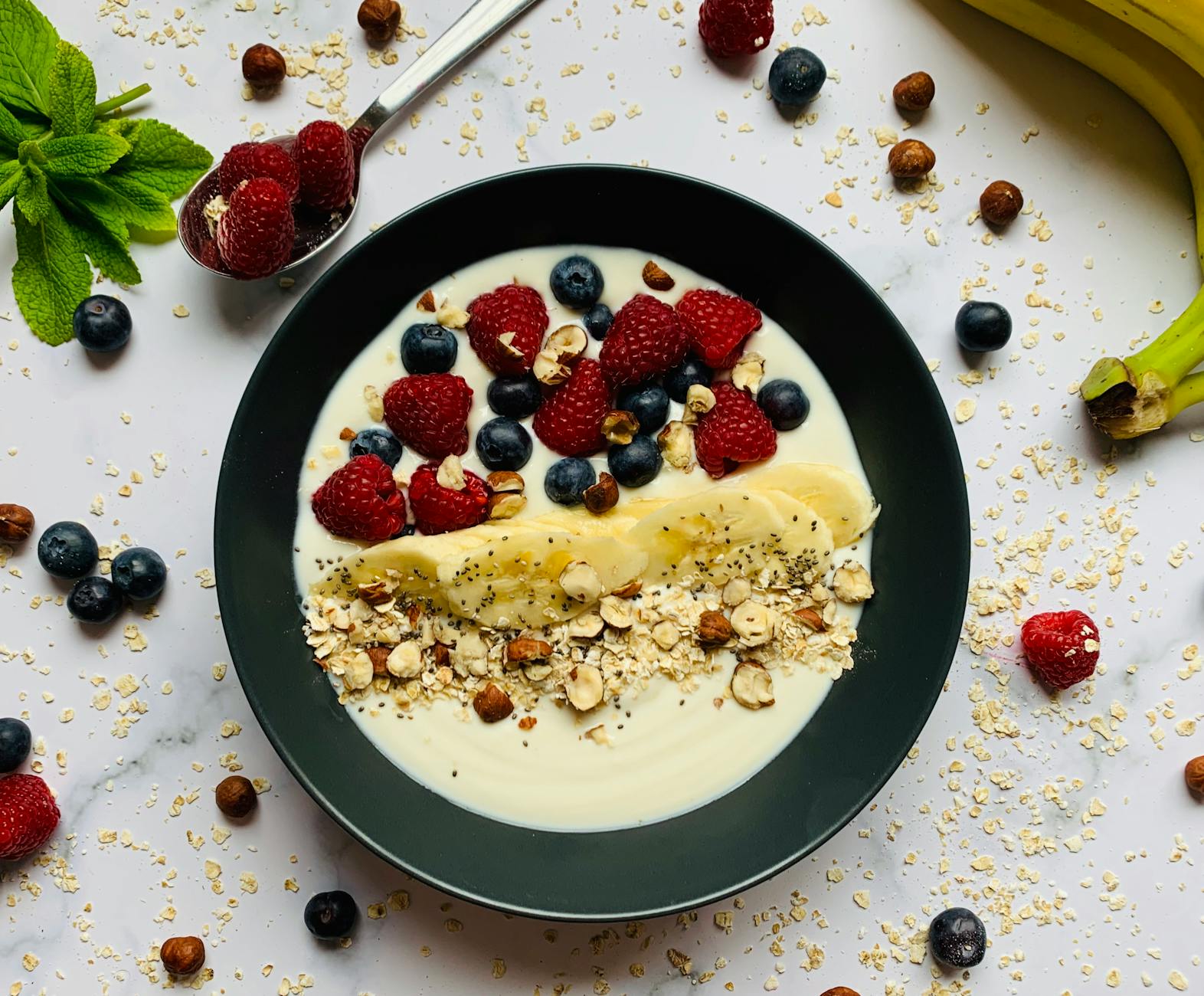
Breakfast: Plain Greek yogurt with berries, oats, chia seeds, and walnuts.
Lunch: Chicken or tofu rice bowl with broccoli, carrots, avocado, and an unsweetened dressing.
Snack: Apple with unsweetened peanut butter.
Dinner: Salmon, potatoes, green vegetables, and salad with olive oil and lemon.
Breakfast: Eggs with whole-grain toast, tomato, avocado, and fruit.
Lunch: Leftover salmon and potato bowl.
Snack: Plain yogurt with berries.
Dinner: Lentil or turkey chili made with no-added-sugar tomatoes and spices.
Breakfast: Oatmeal made with milk or unsweetened plant milk, banana, peanut butter, and cinnamon.
Lunch: Leftover chili.
Snack: Hummus with carrots and cucumber.
Dinner: Chicken or tofu stir-fry with rice and vegetables using an unsweetened or low-added-sugar sauce.
Breakfast: Vegetable omelet with whole-grain toast and fruit.
Lunch: Leftover stir-fry bowl.
Snack: Cottage cheese or plain soy yogurt with berries.
Dinner: Whole-wheat pasta with white beans, spinach, and tomato sauce with no added sugar if available.
Breakfast: Plain Greek yogurt with oats, fruit, and pumpkin seeds.
Lunch: Leftover pasta and salad.
Snack: Pear with nuts.
Dinner: Black bean tacos with cabbage, avocado, tomato, lime, and salsa without added sweeteners if available.
Breakfast: Eggs with potatoes, spinach, and fruit.
Lunch: Black bean taco bowl with rice and vegetables.
Snack: Plain yogurt or edamame.
Dinner: Sheet-pan chicken or tofu with broccoli, carrots, potatoes, herbs, and olive oil.
Breakfast: Oatmeal with berries, chia seeds, and unsweetened nut butter.
Lunch: Leftover sheet-pan bowl.
Snack: Fruit with cottage cheese or another protein-rich option.
Dinner: Chickpea or chicken curry with vegetables and rice, using an unsweetened sauce base.
**Balanced low sugar meals** do not require removing carbohydrate foods.
Oats, potatoes, rice, whole grains, beans, fruit, and vegetables can all fit the plan. The focus is on added sugar, not on making the total carbohydrate count as low as possible.
A useful meal structure is:
For example, eggs with toast and fruit can fit. So can tofu with rice and vegetables. Greek yogurt with berries and oats can work too if the yogurt and other ingredients are unsweetened or low in added sugar.
The current Dietary Guidelines for Americans recommend reducing highly processed foods, including those with added sugars, while prioritizing nutrient-dense foods.
A short **high protein meal prep** session can make packaged sweetened convenience foods less necessary.
Try preparing:
You do not need to make everything from scratch. Unsweetened frozen vegetables, canned beans, canned tomatoes, plain yogurt, whole-grain bread, and other packaged foods can fit.
Read labels rather than assuming that "natural," "protein," or "healthy" means low in added sugar.
A flexible **high protein grocery list** for this plan can include:
The list is a framework. Choose products that fit your budget, preferences, and actual availability.
The first mistake is treating fruit as equivalent to foods with added sugar. The FDA specifically distinguishes naturally occurring sugars from added sugars.
The second is assuming a food contains no added sugar because it does not taste very sweet. Bread, sauces, dressings, flavored yogurt, cereal, and condiments can contain added sweeteners.
The third is turning the plan into an extreme restriction. You do not need to remove every carbohydrate or every processed food.
Finally, do not use "no sugar" as a detox claim. Reducing added sugar can be a food-choice goal, but it does not require cleanse language, special products, or promises of rapid health changes.
If planning the week manually feels repetitive, PlanEat AI on the App Store can turn your preferences, goals, and cooking constraints into a weekly meal plan and grocery list.
No. This plan focuses on added sugar. Fruit contains naturally occurring sugars and can remain part of a balanced eating pattern.
Check the Nutrition Facts label. Packaged foods list added sugars separately under total sugars.
Yes when it is used as a sweetener. The FDA includes sugars from honey and syrups in the definition of added sugars.
No. Many packaged foods can fit the plan. Compare labels and choose options that match your preferences and added-sugar goal.
Follow a high protein no sugar meal plan focused on reducing added sugar, with balanced meals, protein-rich foods, label tips, meal prep, and groceries.
