
October 2, 2026
Compare meal planning tools for weekly menus, grocery lists, prep calendars, nutrition goals, and family-friendly dinner decisions in 2026 with ease today.
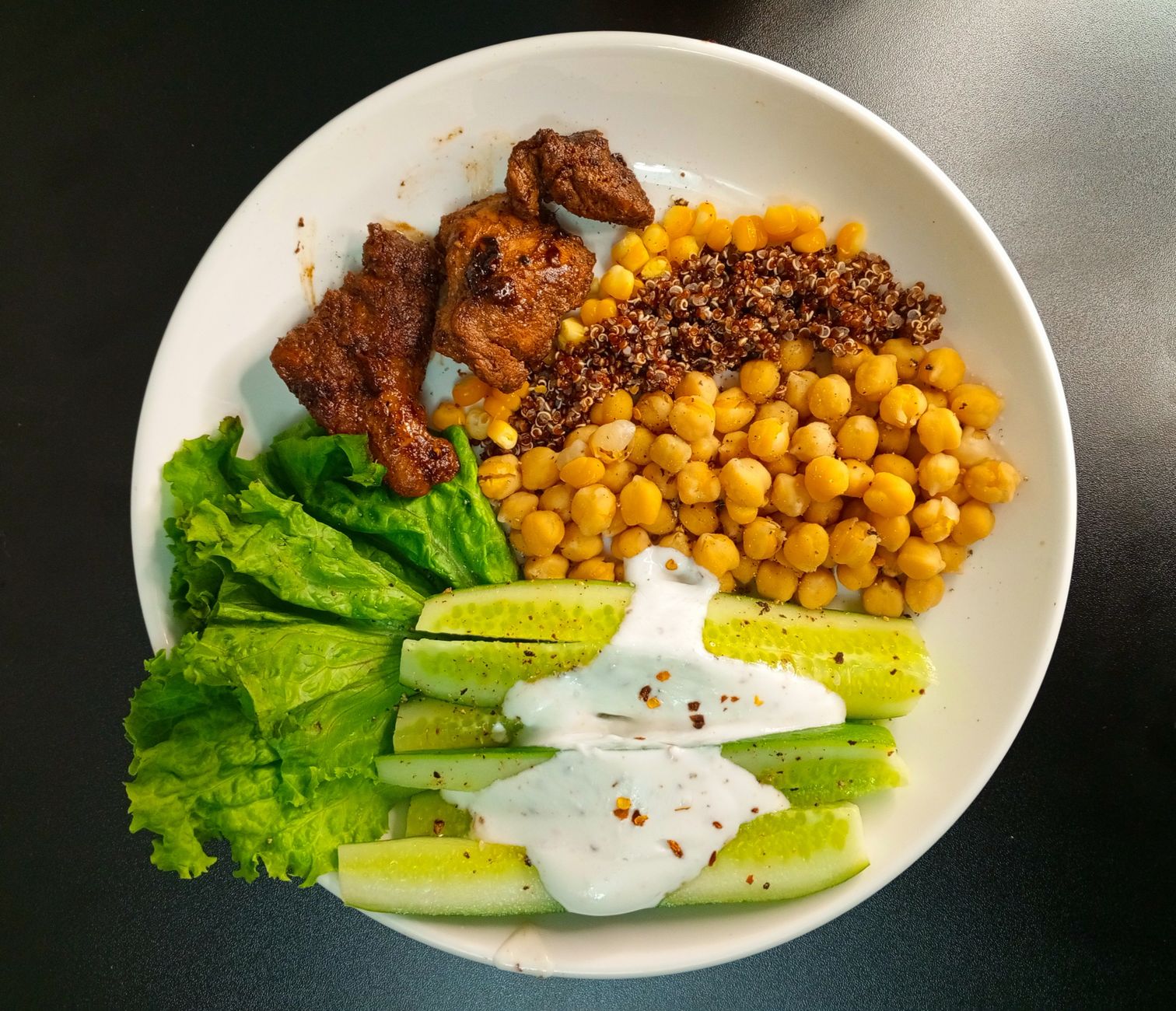
meal planning tools works best when it becomes a practical weekly system, not a perfect diet chart. This guide gives you a clear menu, shopping logic, prep rhythm, and decision rules so the plan fits normal workdays, family schedules, appetite changes, and the nights when dinner shows up like a small emergency.
The point is to reduce the daily question of what to eat and make the next good choice visible. Start with a 30-minute weekly meal planning routine and adapt this article to your calories, schedule, preferences, and household reality.
The best plan has enough structure to guide portions and enough flexibility to survive real life. That usually means repeating breakfast, rotating two or three lunches, and keeping dinners built from familiar ingredients. The secondary pieces matter too: meal planning app, grocery list app, meal planner template, weekly menu tools, family meal planning software should appear naturally inside the plan instead of being forced into awkward headings.
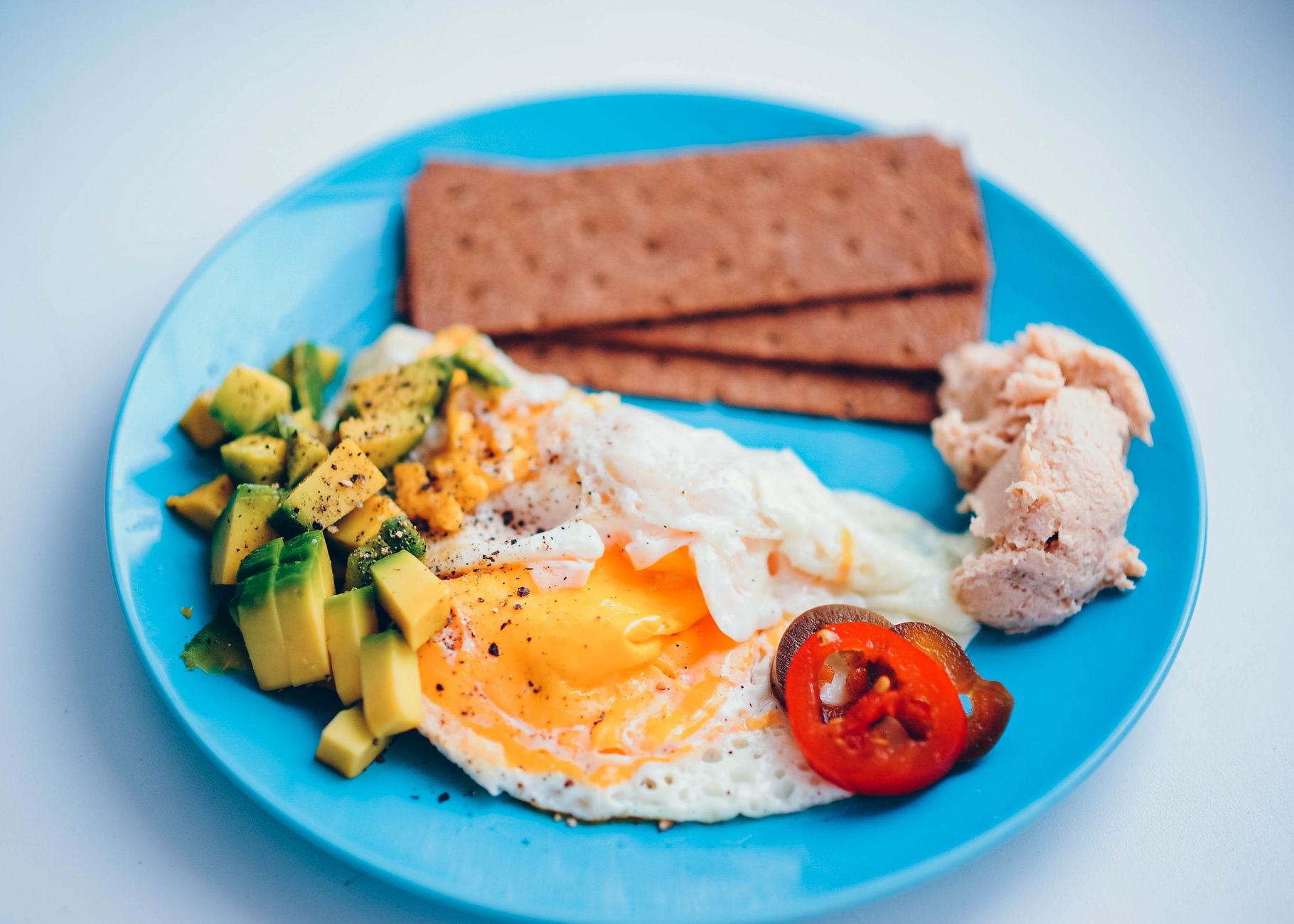
Use this menu as a starting point. Swap similar proteins, vegetables, grains, or fats when needed, but keep the basic plate structure intact. If you need a deeper nutrition baseline, pair it with balanced plate basics before changing the whole plan.
| Day | Breakfast | Lunch | Dinner | Snack |
|---|---|---|---|---|
| Day 1 | Template-based breakfast rotation | Saved lunch bowls | Smart dinner calendar | Reusable grocery categories |
| Day 2 | Template-based breakfast rotation | Saved lunch bowls | Smart dinner calendar | Reusable grocery categories |
| Day 3 | Template-based breakfast rotation | Saved lunch bowls | Smart dinner calendar | Reusable grocery categories |
| Day 4 | Template-based breakfast rotation | Saved lunch bowls | Smart dinner calendar | Reusable grocery categories |
| Day 5 | Template-based breakfast rotation | Saved lunch bowls | Smart dinner calendar | Reusable grocery categories |
| Day 6 | Template-based breakfast rotation | Saved lunch bowls | Smart dinner calendar | Reusable grocery categories |
| Day 7 | Template-based breakfast rotation | Saved lunch bowls | Smart dinner calendar | Reusable grocery categories |
Shop by category so the list stays usable even when a store, brand, or schedule changes. A reliable meal planner template should make substitutions easier, not send you back to the drawing board.
Before shopping, check your kitchen and remove duplicates. This is where a weekly grocery routine saves money: the list follows the menu, and the menu follows the week you actually have.
Prep ingredients, not a fridge full of identical meals. Cook one protein, one grain or starch, wash produce, and make one sauce or seasoning mix. That gives you enough prepared food to assemble meals quickly without locking yourself into seven identical containers.
If you want the app to turn these meals into a flexible schedule and grocery list, Build your weekly plan in PlanEat AI. Keep it practical: set the meals you know you will eat, then adjust portions and swaps as the week changes.
For busier weeks, use weekend meal prep blocks to protect the highest-friction tasks: chopping, cooking grains, and preparing protein. Do not prep every garnish. Prep the parts that usually stop dinner from happening.
The easiest portion rule is to change one variable at a time. If meals feel too small, add more vegetables first, then protein, then a measured portion of carbs or fats. If meals feel too large, reduce added fats or starches before cutting protein. That keeps fullness and nutrition more stable.
Swaps should stay in the same job category. Trade salmon for tuna, chicken for turkey, rice for potatoes, berries for oranges, or yogurt for cottage cheese. Random swaps are how a plan slowly turns into seven unrelated meals and a grocery bill that makes no sense.
For general eating patterns, the Dietary Guidelines for Americans are a useful reference point because they emphasize nutrient-dense foods across normal food groups. For basic nutrition topics and food group education, Nutrition.gov is a neutral reference.
Protein matters for fullness and muscle support, and MedlinePlus explains dietary protein basics in plain language. For most readers, the winning move is not a dramatic reset. It is a plan with enough protein, enough fiber, enough produce, and fewer emergency decisions.
Review the plan once before you shop again. Do not judge the week by one off-plan meal. Judge it by whether the system reduced stress, made grocery shopping easier, and gave you enough food at the times you needed it.
This is the boring part that makes the plan work. Most people do not need more novelty; they need a system that remembers what already worked.
Use the plan as a flexible template, then adjust portions, meal timing, and swaps to match your schedule and goals.
Use the plan as a flexible template, then adjust portions, meal timing, and swaps to match your schedule and goals.
Use the plan as a flexible template, then adjust portions, meal timing, and swaps to match your schedule and goals.
Choose meals first, group ingredients by category, subtract what you already own, and keep backup staples for busy days.
Use meal planning tools as a weekly operating system: plan the meals, shop the list, prep the bottlenecks, and adjust one variable at a time.