

September 8, 2026
Use this 1000 calories a day meal plan safely with a 7-day menu, protein targets, grocery tips, and warnings for when to choose a higher calorie goal.
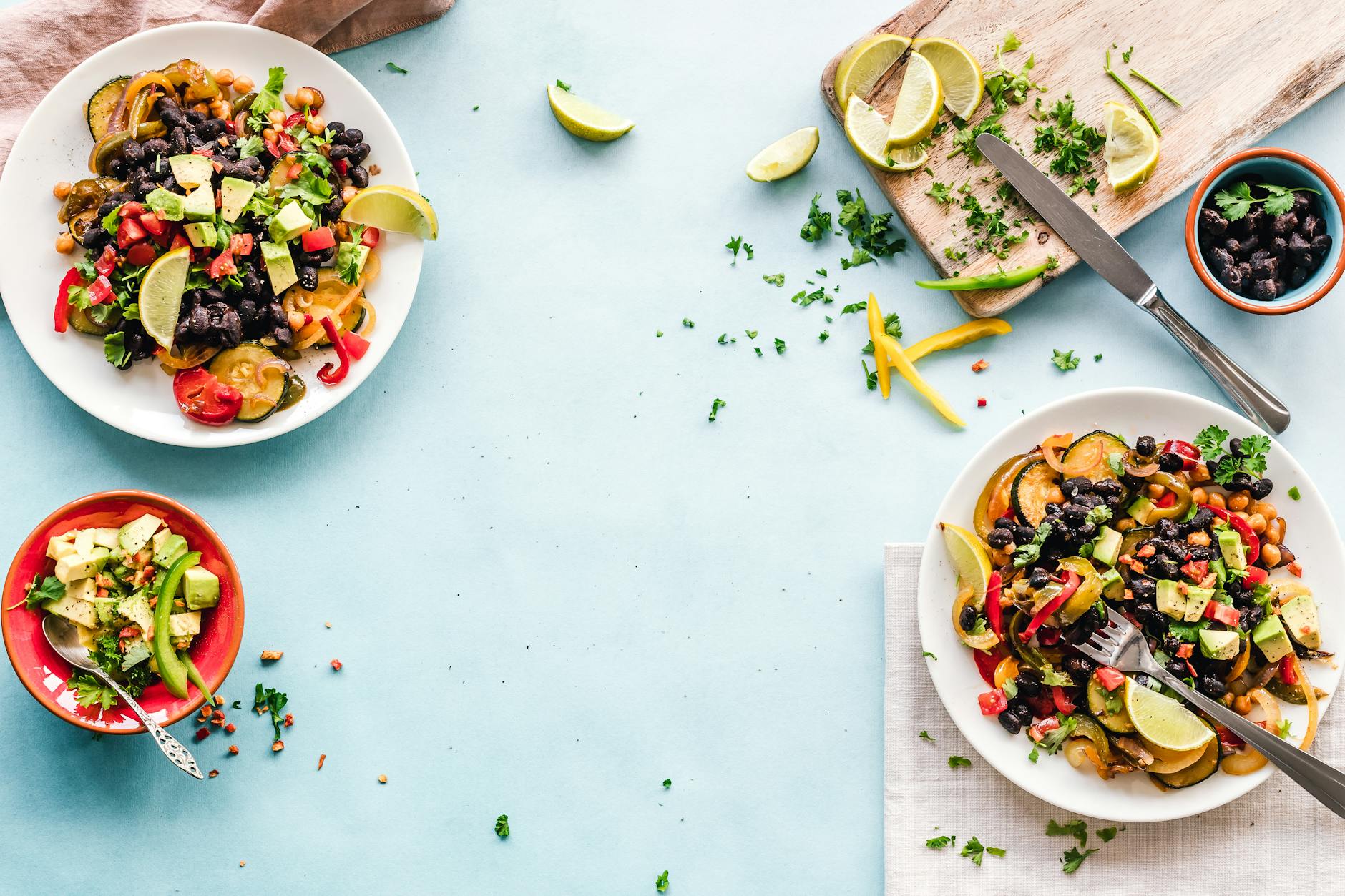
A 1000 calories a day meal plan is a very low daily intake for many adults, so the safe answer is not just “here is a menu.” Use it only as a short-term structure, keep protein and fiber high, and choose a higher calorie target if you feel weak, dizzy, unusually hungry, or unable to train and function normally.
A 1000 calorie diet meal plan is usually for a short, structured phase, not a forever routine. It may fit some smaller, less active adults for a brief period, but it is often too low for taller adults, active people, and anyone with higher protein needs.
Before using it, compare the plan with your real constraints: work schedule, hunger pattern, medications, training, sleep, and family meals. Most meal planning failure is not laziness. It is a system mismatch. If the plan assumes your fantasy life, the fridge will remind you at 5 p.m.
For a less restrictive approach, compare this guide with calorie counting vs meal planning. The right tool is the one you can repeat without turning dinner into a small emergency every night.
Use a 1000 calorie plan carefully. The NIDDK guidance on safe weight-loss programs emphasizes realistic goals, professional input, and a plan that supports long-term maintenance. The CDC weight loss guidance also frames weight loss around steady behavior change, not crash dieting.
Talk with a clinician or registered dietitian before starting if any of these apply:
If this list makes the plan look inconvenient, good. Safety gates should be boring and obvious. Boring wins.
A strong 1000 calorie meal plan has to spend calories carefully. Aim for three anchors: protein, fiber-rich produce, and enough fat to make meals tolerable.
Use the USDA FoodData Central database when you need reliable nutrition numbers for ingredients. Restaurant entries and random calculator pages can vary wildly.
This 1000 calorie meal plan for weight loss is intentionally simple. Portions should be weighed or measured if precision matters. Calories are estimates, not lab values.
A 1000 calories per day meal plan gets easier when the shopping list is boring on purpose. Buy repeatable ingredients instead of seven unrelated recipes.
If shopping is the part that breaks the system, PlanEat can turn meals into groceries automatically inside the meal planner app.
On a low calorie target, the margin for “tiny extras” is small. Use high-satiety foods most of the time and limit foods that spend calories fast.
A 1000 calorie diet 7 day meal plan should not feel like a daily negotiation with your nervous system. If hunger is high, first add vegetables, broth-based soup, or a higher-protein swap. If energy still drops, increase calories.
Move up by 100-200 calories with foods that improve adherence: extra Greek yogurt, a larger potato, more rice, a piece of fruit, beans, or another ounce of lean protein. If that makes the week work, it was not a failure. It was better planning.
Choose a higher target if you repeatedly feel cold, dizzy, irritable, weak, preoccupied with food, unable to sleep, or unable to complete normal activity. Also choose a higher target if the plan causes rebound overeating.
For many adults, a 1200, 1400, 1500, or 1600 calorie plan can produce better consistency because it leaves room for normal meals. The practical win is not the lowest number. It is the number you can repeat while still living your life.
It can be too low for many adults. Use it only short term and ask a clinician first if you have a medical condition, take medication, are pregnant or breastfeeding, are a teen, or have a history of disordered eating.
Weight loss depends on your size, activity, and usual intake. Faster loss is not always better, and a more moderate calorie target is easier to maintain for many people.
Prioritize lean protein, high-volume vegetables, fruit, beans, low-fat dairy or fortified soy, and measured portions of fats and grains.
Keep exercise light unless your clinician says otherwise. Low energy, dizziness, poor sleep, or unusual fatigue are signs the plan may be too aggressive.
The best version is protein-forward, simple, repeatable, and temporary. If hunger or fatigue is high, move to a 1200, 1400, or 1500 calorie plan.
Increase gradually, keep protein and fiber steady, and move into a maintenance or slower-loss plan instead of returning to unplanned eating.
A 1000 calorie plan should be a short, careful tool, not your default lifestyle. Keep protein high, meals simple, and move up to a higher target if energy, hunger, or adherence starts to break.
A 1000 calories a day meal plan should be a short, careful tool, not your default lifestyle. Keep protein high, meals simple, and move up to a higher target if energy, hunger, or adherence starts to break.