
October 2, 2026
A practical 2026 guide to diet trends: what actually works, what is hype, and how to build a repeatable routine with protein, fiber, and simple meal planning.

TL;DR: Most diet trends work when they help you eat more protein and fiber, plan meals you can repeat, and cut down on ultra-processed “snack meals.” In 2026, the best approach is to borrow the useful parts of trends without adopting strict rules that you cannot sustain.
Diet trends change fast because they sell certainty. A new label makes people feel like they found the missing answer, even if the basics have not changed. On top of that, social media rewards bold claims, not boring consistency.
A more realistic way to think about trends is this: a trend is a tool, not an identity. If it makes your day easier and your meals more consistent, keep it. If it creates stress, food guilt, or constant rule-breaking, it is probably not worth building your life around.
If you want a routine that feels structured without tracking, PlanEat AI can generate a weekly meal plan and a grouped grocery list personalized to your goals, dislikes, cooking time, and basic restrictions, with simple swaps when a meal does not fit your week.
When you zoom out, successful diets share the same foundations. They make it easier to eat enough protein, get more fiber, and reduce random snacking that comes from skipped meals.
Start with three anchors:
This is why “which diet is best” is often the wrong question. The better question is: can you keep this pattern on your busiest week, not just your most motivated one. If you want a simple framing that avoids calorie obsession, Calorie Counting vs Meal Planning: What Works Better? is a helpful perspective.
You do not need to fully commit to a trend to benefit from it. In 2026, a few popular directions can be useful if you keep them practical.
This trend holds up because protein improves meal satisfaction and makes healthy eating more repeatable. The mistake is turning it into a product hunt for powders and bars. Start with real foods first, then use convenience options only when they actually help.
Plant-forward does not have to mean fully vegan. It can simply mean more beans, lentils, vegetables, and fruit, while still including animal proteins if you like them. The payoff is usually more fiber and better meal variety with minimal extra effort.
Some people use a smaller eating window to reduce mindless snacking and late-night grazing. If it helps you keep a consistent routine and you feel good, it can be a useful structure. If it makes you skip protein at breakfast and then overeat later, it is not helping.
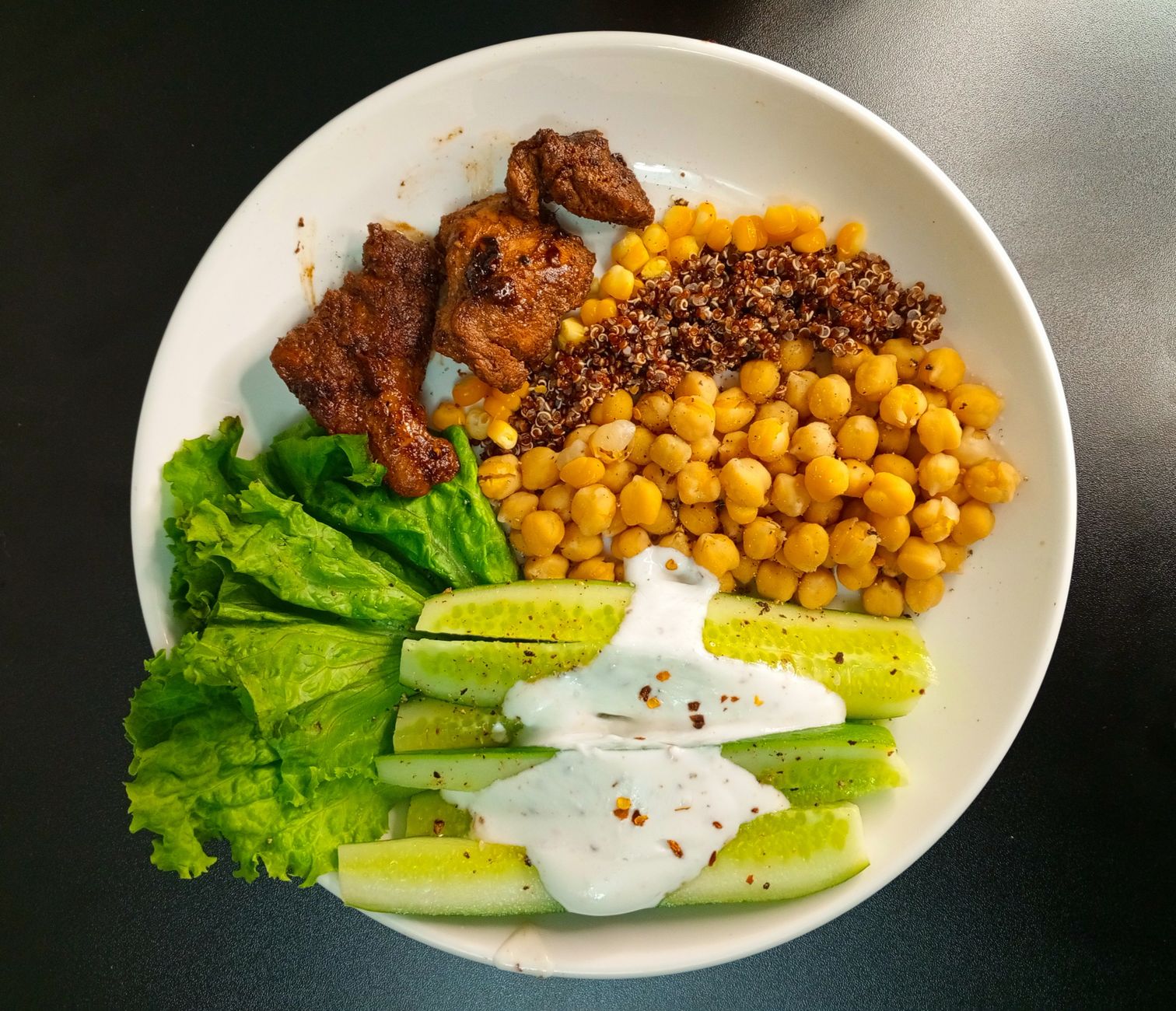
This trend can be a big win because ultra-processed snacks often replace real meals. You do not need perfection. Try a simple rule: most days, build meals from a protein, a carb, and a vegetable, then add snacks only if you are actually hungry.
Some trends sound simple, but they usually fail in real life because they are too rigid or they push extremes.
Your body does not need juice cleanses to “reset.” These plans often leave you hungry and can lead to rebound overeating. If you want a reset, a better move is two normal days of balanced meals and hydration.
Cutting entire food groups can work for a short experiment, but long-term it often increases cravings and makes social eating harder. If you are eliminating foods for health reasons, it is worth discussing with a qualified clinician.
Any trend that makes you afraid of normal food is a red flag. Healthy eating should improve your life, not shrink it.
If you notice that diet rules lead to all-or-nothing thinking, it can help to reframe how you use flexibility. Cheat Meals: Help or Hinder? (How to Do It Right) can help you keep a realistic approach without turning one meal into a spiral.
If you want to test a trend, keep the experiment small. Pick one change that you can do for two weeks and track only practical signals: energy, hunger, cravings, and how easy it is to stick to your schedule.
Try this low-drama method:
This approach is the opposite of diet culture. It treats your routine like a system you can tune, not a moral test you can fail.
If you find a structure that works, PlanEat AI helps you save a plan as reusable and swap meals quickly while keeping a steady base of repeatable protein and fiber across the week.
The best trend is the one you can follow consistently while eating enough protein and fiber. For many people, that looks like fewer ultra-processed snack meals, more planned meals, and a simple routine they can repeat.
It is still common, and it can work for some people as a structure tool. The key is whether it helps you eat regular balanced meals, not whether the window is perfect.
No. Many people feel better and perform better with carbs, especially around activity. A practical approach is choosing slower carbs most of the time and pairing them with protein and vegetables.
If it makes you constantly hungry, stressed, or socially isolated, it is probably not sustainable. Another sign is frequent rule-breaking followed by guilt, which usually means the rules are too strict for your real life.
A practical 2026 guide to diet trends: what actually works, what is hype, and how to build a repeatable routine with protein, fiber, and simple meal planning.