
October 2, 2026
Balanced look at cheat meals and planned treats, including when they help, when they backfire, and a practical framework for using them inside a realistic weekly meal plan.

TL;DR: Cheat meals are not magic metabolism boosters or automatic diet killers. Used well, they are planned flexible meals inside an overall balanced week. Used poorly, they can trigger all or nothing thinking, overeating, and guilt. This guide explains what cheat meals really are, when they help, when they backfire, and how to build them into a realistic weekly plan.

Many people use the term cheat meal for any food they see as off limits. That can be a burger and fries, pizza night, pastry with coffee, or a big dessert.
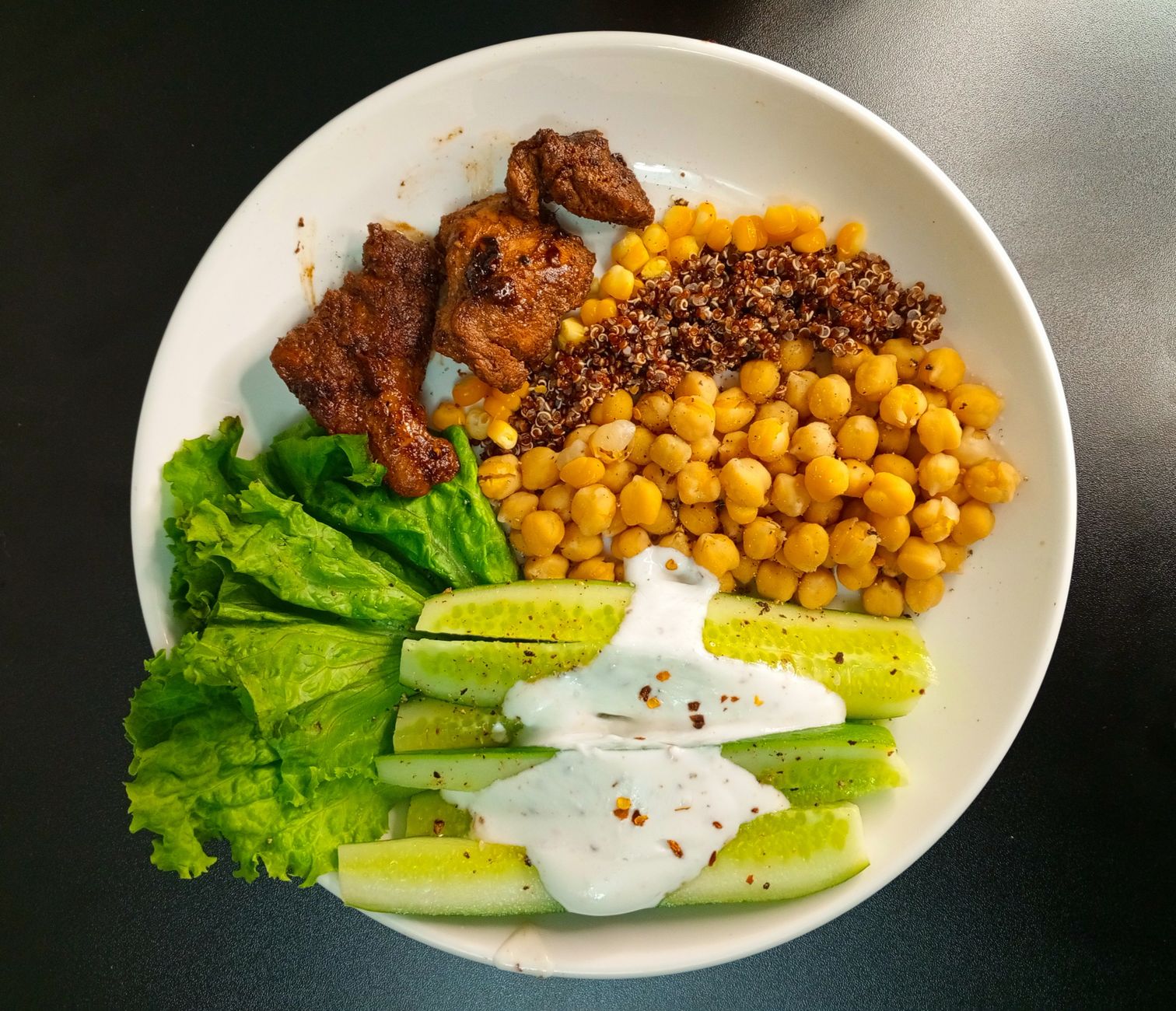
The base still matters. If most of your meals look balanced, a planned flexible meal once in a while is easier to handle. For a quick refresher on what balanced plates look like, see Healthy Eating Basics: Build a Balanced Plate and use that pattern as your default.
If you want more structure than a random treat night, you can use PlanEat AI to build a weekly meal plan around your goals and preferences, then mark one or two flexible meals inside that plan. The app creates a realistic 7 day menu and a grouped grocery list so treats sit inside a clear structure instead of replacing it.
For some people, a planned flexible meal can make a healthy pattern easier to stick to.
Cheat meals may help when:
In this context, it can be more accurate to call them flex meals rather than cheats. You are not breaking the plan, you are following a plan that already includes some flexibility.
If you like seeing full days laid out, you can borrow ideas from 7-Day Weight Loss Meal Plan (With Shopping List) and adapt one meal on some days into a more indulgent option while keeping the rest of the pattern steady.
Cheat meals can cause more harm than good if they feed into an all or nothing mindset.
Red flags that your approach is not working:
This pattern tends to increase stress and make it harder to listen to hunger and fullness signals.
If you notice that cheat meals often trigger sugar binges, it can help to read How to Stop Sugar Cravings (Real-World Tips) for strategies that reduce craving spikes, and Healthy Snacks That Actually Curb Cravings for everyday options that make big swings less likely.
If cheat meals feel overwhelming or tie into past or current eating disorder patterns, it is important to discuss them with a health professional and possibly avoid the concept altogether.
Instead of thinking in terms of perfect days and off days, use a framework that keeps some structure around your flexible meals.
If you want ideas for lighter sweets that still feel like a treat, Healthy Dessert Ideas (Satisfy Sweet Tooth) offers options built around fruit, yogurt, and dark chocolate rather than only heavy pastries.
Once you know which flexible meals fit your goals and lifestyle, you can save them as part of a reusable weekly pattern in PlanEat AI. The app keeps your usual breakfasts, lunches, and dinners plus one or two planned treat meals and still builds a grouped grocery list so the rest of your week stays on track.
Here is an example of how one day might look when a treat is part of the plan, not a surprise.
The idea is not that every day must look like this, but that one more indulgent meal sits inside an overall pattern that still lines up with your goals.
If you want to compare different overall strategies for managing food and weight, Calorie Counting vs Meal Planning: What Works Better and Calorie Counting vs AI Meal Planner (Which to Choose?) can help you decide whether you prefer numbers, structure, or a mix of both.
No. Some people find them helpful for flexibility and enjoyment, others do better with a steady pattern that includes small treats more often instead of big blowout meals. The key is whether your approach helps you stay consistent without feeling obsessed or deprived.
There is no single correct number. Many people do well with one or two planned flexible meals per week, especially if the rest of their meals are balanced. If you notice progress slowing or your pattern feeling chaotic, adjust frequency and portion size.
Slight adjustments are normal, but extreme restriction usually backfires and leads to overeating. A more sustainable approach is to keep breakfast and lunch balanced and simple, then enjoy the planned meal without trying to arrive at it starving.
They can if they regularly turn into large overeating episodes or trigger several days of off plan eating. If progress stalls, look at the size and frequency of your treat meals and how they fit into your week overall.
If a single treat often leads to binge behavior, it may be better to avoid the cheat meal concept and focus on small daily treats inside a structured plan. It is also important to talk with a professional if you suspect binge eating or other disordered patterns.
Educational content only - not medical advice.
Balanced look at cheat meals and planned treats, including when they help, when they backfire, and a practical framework for using them inside a realistic weekly meal plan.