
October 2, 2026
A practical grocery guide to healthy fats, slow carbs, and protein in the US, with simple shopping rules and meal templates that make healthy eating easier.

TL;DR: If your cart feels random, focus on three categories that make meals easier: protein, slow carbs, and healthy fats. This guide shows what to buy, what to skip, and how to turn those staples into repeatable breakfasts, lunches, and dinners without tracking.
Most healthy eating advice breaks down in the grocery store because it is too abstract. You do not need perfect nutrition knowledge. You need a cart that turns into meals you can actually make on a normal week.
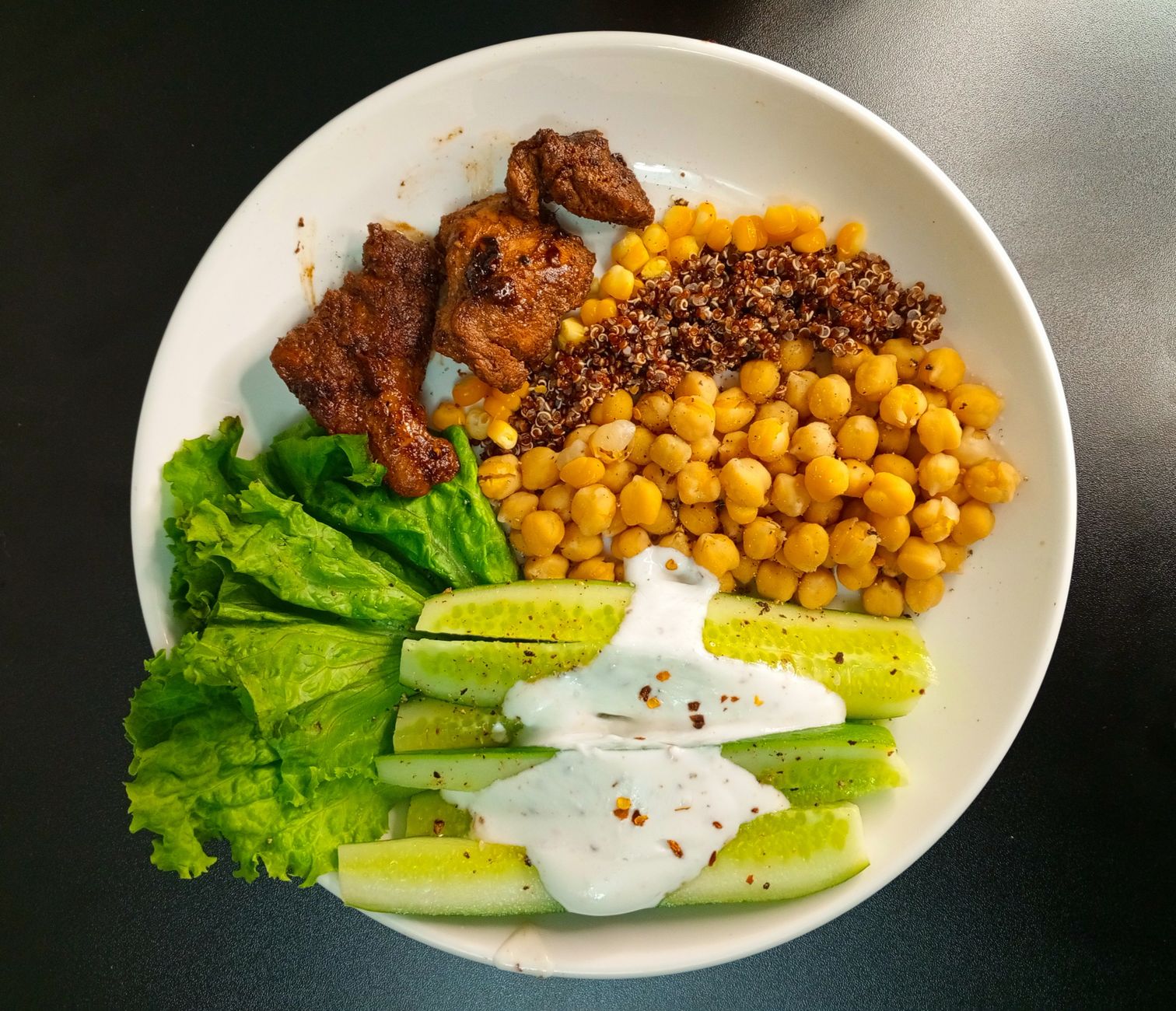
Think of protein, slow carbs, and healthy fats as building blocks. When you have at least one solid option from each, you can mix and match bowls, salads, tacos, stir fries, and breakfast plates with less effort. If you want a quick mental model for how these pieces fit together on a plate, Healthy Eating Basics: Build a Balanced Plate is a useful refresher.
If you want help turning these staples into a weekly routine, PlanEat AI can generate a weekly meal plan and a grouped grocery list personalized to your goals, dislikes, cooking time, and basic restrictions, with simple meal swaps when something does not work.
Protein is the easiest lever for steadier energy and better meal satisfaction because it anchors the plate. The main mistake is buying only one type, then getting bored by day three. A better approach is choosing two primary proteins and one backup that requires almost no cooking.
Good grocery options to rotate:
A practical rule is to pick one “cook once” protein and one “fast” protein. For example, roast or grill 1 to 2 lb of chicken, then use eggs or tofu for quick meals later. Keep a backup like canned tuna or Greek yogurt for days when you do not feel like cooking.
If mornings are where you struggle most, building a repeatable breakfast protein helps you stay consistent. High-Protein Breakfast Ideas (That Keep You Full) can give you a few go to patterns that do not feel like meal prep homework.
Slow carbs are the carb sources that come with fiber and tend to digest more steadily. They are not “good” because they are trendy. They are good because they help you build meals that feel complete and keep you full longer.
Reliable slow carb picks:
Keep portions practical without tracking. A simple approach is choosing one slow carb for the week and using it in different formats. Rice can become bowls, stir fries, and quick fried rice. Potatoes can be sheet pan sides, breakfast hash, and soup add ins.
Watch for “health halos” on packaged carbs. Many granolas, crackers, and snack bars look wholesome but are easy to overeat and do not keep you full for long. If you want snacks that actually help, prioritize options that combine slow carbs with protein or fat, like fruit with Greek yogurt, or whole grain toast with peanut butter.
Healthy fats matter because they improve satisfaction and make meals taste better, which is a real part of consistency. The goal is not to add fat to everything. It is to choose a few high quality options you will actually use.
Smart fat staples:
A common trap is buying every “healthy fat” item at once and then watching it go stale. Pick one oil, one nut or seed, and one creamy option (avocado or nut butter). That is enough to upgrade salads, bowls, and breakfasts without turning your cart into a specialty store.
Here is a simple way to shop so your food becomes meals fast. Choose 2 proteins, 1 slow carb, and 2 produce items that work in multiple dishes. Then add one flavor booster so meals do not feel repetitive.
A realistic template:
From there, map it into meals you can repeat with small changes. Bowl night is protein plus roasted vegetables plus rice plus sauce. Taco night is protein plus a quick veggie plus tortillas plus something crunchy like cabbage. Breakfast stays simple with oats or yogurt, fruit, and a spoon of seeds.
If you want this to feel even easier, a small amount of prep can reduce weekday stress a lot. Meal Prep Basics: Beginner’s Guide to Cooking Ahead is a good starting point for building a routine that does not take over your weekend.
If you find a combo that works, PlanEat AI helps you save a plan as reusable and swap meals quickly while keeping a steady base of repeatable protein and fiber across the week.
Start with two proteins, one slow carb, and two produce items you will actually use. Add one healthy fat staple and one flavor booster so meals do not feel bland. This structure keeps shopping simple and still gives you enough variety for the week.
They are both. Beans and lentils provide plant protein and also count as slow carbs because they contain fiber. That is why they are so useful for bowls, soups, and quick weeknight meals.
No. The goal is not to eliminate foods, it is to build most meals around slow carbs that keep you full longer. You can still include faster carbs, just try to pair them with protein and a bit of fat so the meal feels more balanced.
Extra virgin olive oil is a strong all around pick because it works for salads and many cooked meals. If you rarely cook, a nut butter can be a better single choice because it turns toast, fruit, and yogurt into a more filling snack.
A practical grocery guide to healthy fats, slow carbs, and protein in the US, with simple shopping rules and meal templates that make healthy eating easier.