
October 2, 2026
Compare meal kits vs meal planning with a worked cost example, shipping and pantry costs, time tracking, waste checks, and a practical test for your household.
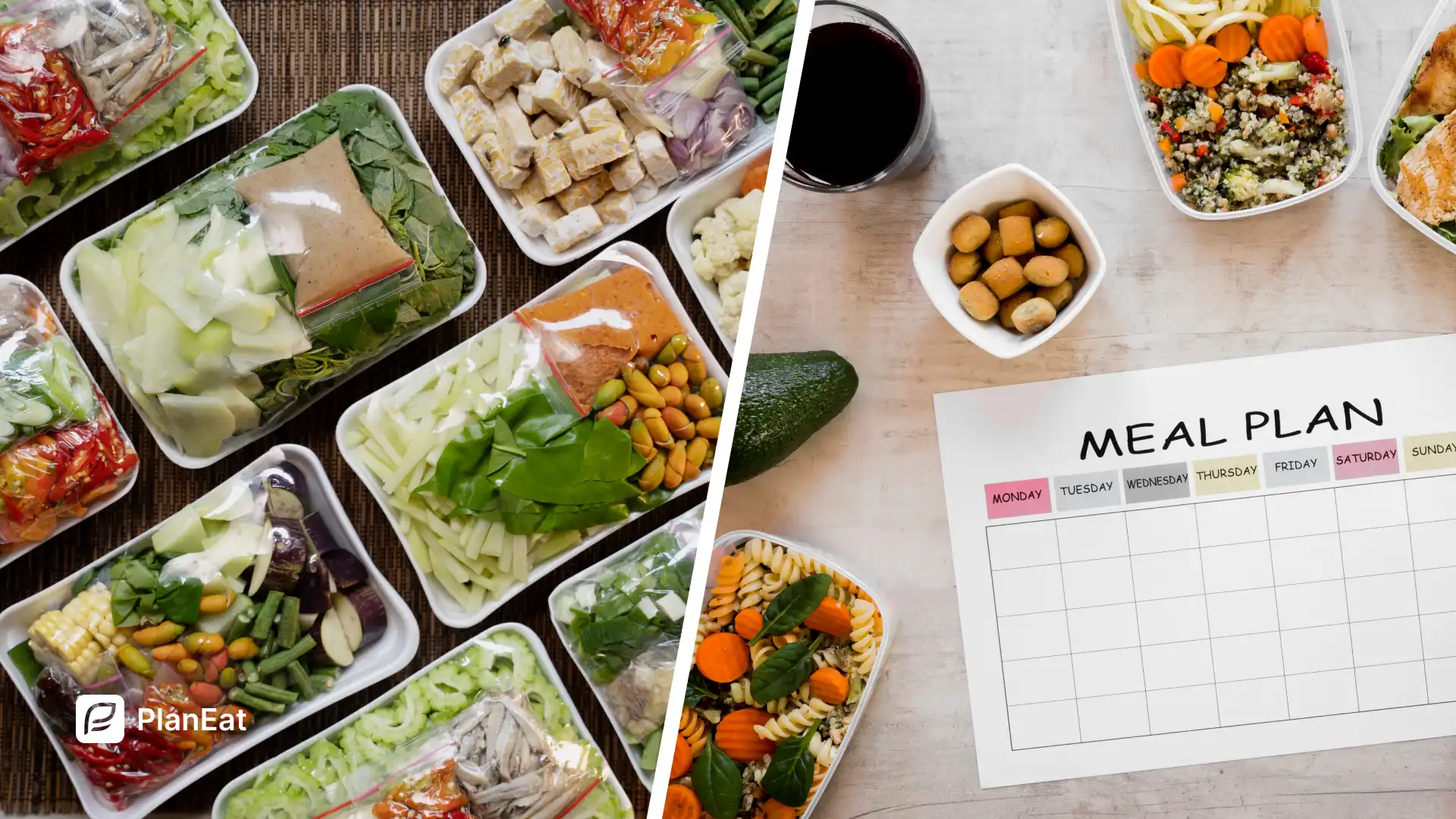
Meal kits vs meal planning is a comparison of money, time, and how much of the food you actually eat. A useful answer compares the same number of dinners and servings, includes shipping and pantry ingredients, and separates cooking from shopping. The worked example below uses illustrative numbers you can replace with your own receipts and regular subscription prices.
A recipe kit supplies ingredients and instructions for particular meals. Grocery meal planning starts with your chosen menu and a shopping list, then uses purchased packages across meals. Ready-to-heat meals remove more cooking than recipe kits and should be compared separately. The University of Kentucky overview of meal kits discusses cost, convenience, and practical tradeoffs; its historical examples are not current vendor quotes.
| Question | Recipe meal kit | Grocery meal planning |
|---|---|---|
| What is included? | Specified meals and portions; check required pantry items | Foods you purchase for your chosen menu |
| What work remains? | Receiving, storage, prep, cooking, cleanup | Planning, shopping, storage, prep, cooking, cleanup |
| How flexible is quantity? | Depends on the provider’s serving and box options | Depends on recipe size and package sizes |
| What cost is easy to miss? | Shipping, premium meals, extra portions, renewal price | Unused packages, pantry ingredients, transport, delivery |
| What should you verify? | Regular price, deadlines, ingredient labels, storage instructions | Actual portions, local prices, suitable substitutions, storage |
Choose a comparison unit first: for example, three dinners for two adults, or six dinner servings. Keep breakfasts, lunches, household supplies, and snacks out of that dinner comparison unless you include them on both sides. Keep the grocery cart receipt too, because you still need enough cash to buy full packages.
Calculate the paid box total: regular serving price × received servings + shipping + premium charges + applicable taxes or other fees − any real discount for that delivery. Divide by servings actually eaten for your effective cost. A first-box promotion can be useful, but do not project it across a year when it ends after the first delivery.
For a partial ingredient, use package price × amount used ÷ package amount. A $3 bag of 900 g rice contributes $0.60 when the recipe uses 180 g dry rice. The other 720 g remains inventory if you use it later; it is not a second charge today and not free in future meals. Use the same raw or dry measurement basis for the portion and package.
Include the amount of oil, seasoning, and condiments you use, even when bought earlier. Count only avoidable discarded food as waste; do not charge a safely stored leftover as waste while also planning to eat it tomorrow. EPA’s food-waste guidance recommends an inventory check and shopping quantities based on meals you expect to eat at home.
These are invented arithmetic inputs for demonstration, not live prices, national averages, or a quotation from any provider. Replace every input with your actual costs. Both options cover three dinners for two adults.
| Cost component | Meal kit example | Grocery example |
|---|---|---|
| Servings | 6 received and eaten | 6 cooked and eaten |
| Food | 6 × $10 = $60 | $27 of ingredients used, including pantry portions |
| Delivery or avoidable waste | $10 delivery fee | $3 discarded ingredients allocated to these dinners |
| Total comparable dinner cost | $70 | $30 |
| Cost per eaten serving | $70 ÷ 6 = $11.67 | $30 ÷ 6 = $5.00 |
| Difference for this week | Kit costs $40 more | Not a universal savings prediction |
If the grocery checkout was $42 but the measured ingredients used cost $27, the other $15 is inventory only if it remains usable for later meals. Record that separately. If those groceries spoil, reclassify the discarded share as waste instead of assuming it will be consumed. Do not add the $42 checkout to the $27 usage; that counts the same purchase twice.
Track planning, ordering or shopping, receiving and putting away food, preparation, cooking, and cleanup. Some tasks overlap, so do not count the same minute twice. A kit might remove a shopping trip yet still need chopping and washing pans. A grocery batch may take longer once but produce several dinners.
| Task | What to record |
|---|---|
| Planning and ordering | Menu decisions, selecting meals, changing delivery dates |
| Shopping or delivery | Travel, checkout, waiting or putting away the delivery |
| Food preparation | Washing, chopping, measuring, batch portioning |
| Cooking | Active work separately from unattended cooking if useful |
| Cleanup | Dishes, work surfaces, packaging sorting |
| Waste | Food not eaten and why: schedule, portion, dislike, storage |
For a time illustration, suppose the kit saves 45 minutes over the grocery routine. With the $40 premium above, that is $40 ÷ 0.75 hours = $53.33 paid per hour saved. This is a decision aid, not cash income or a universal value for your time. You can decide whether reducing decisions or avoiding a difficult trip is worth more than the minutes alone.
If choosing the grocery menu is the main obstacle, try PlanEat AI on the App Store for help planning around your preferences. Compare a kit with structured planning, not only with last-minute improvisation.
Pre-portioned ingredients may help when you otherwise buy a package for one recipe and leave it unused. A kit can still be wasted when a delivery arrives during travel or portions do not fit your household. Groceries can work well when you reuse ingredients deliberately and freeze suitable extras. Measure your own discarded food rather than assuming either option has zero waste.
Follow USDA leftover safety guidance: use shallow containers, refrigerate within two hours (one hour above 90°F/32°C), keep the refrigerator at 40°F/about 4°C or below, and use refrigerated leftovers within three to four days. Freeze later portions promptly. Reheat cooked leftovers to 165°F/74°C throughout; count storage time from the original cooking date.
Follow the box’s storage instructions for raw ingredients and check their condition on arrival. Keep food waste separate from packaging: less uneaten food does not establish a smaller packaging footprint, and more packaging does not alone establish the total environmental impact. Avoid broad environmental promises without a matching assessment.
A short test is not a controlled experiment: changing schedules, sales, recipes, and appetite can affect the result. Still, it can reveal whether you are buying a service you actually use. Meal planning on a budget works better when your comparison describes your household, not somebody else’s ideal week.
Check the renewal price, delivery frequency, billing date, skip cutoff, cancellation method, and confirmation. FTC guidance on trials and subscriptions explains why recurring charges and cancellation terms deserve attention before enrollment. Do not assume a skipped menu selection cancels a delivery.
For grocery-only nights, use a three-day menu and the $50 grocery worksheet. The grocery savings guide gives more examples of unit price and ingredient reuse. Keep kit nights on the same calendar so you do not buy a second dinner for them.
There is no universal answer. Compare regular kit prices plus fees with the cost of comparable grocery portions and actual waste. A full grocery checkout and one recipe’s consumed cost are different measures.
Yes. Allocate the actual box fee across the servings you receive and eat. If a box has six servings and a ten-dollar fee, that adds about $1.67 per received serving before other charges.
Not necessarily. A recipe kit still needs preparation, cooking, and cleanup. Track these separately from planning and shopping; prepared meals are a different product.
Include the consumed share of their original purchase cost when comparing meals. Record today’s checkout cash separately, because it does not include previously purchased ingredients.
Check the provider’s deadline and verify that the skip or cancellation is confirmed before assuming you will not be charged. Keep the confirmation and compare the grocery week separately.
Yes. Use kits for selected dinners and plan groceries around the remaining meals. Avoid buying a full grocery dinner for a night already covered by a kit.
Compare the same meals, servings, and time period using regular prices and actual food use. A kit, grocery plan, or hybrid can fit different weeks; keep the approach that works for your budget and routine without assuming one universal winner.