
October 2, 2026
Follow a practical meal plan for 3 days with measured portions, a matching grocery list, prep steps, safe storage, and flexible swaps for one or two adults.
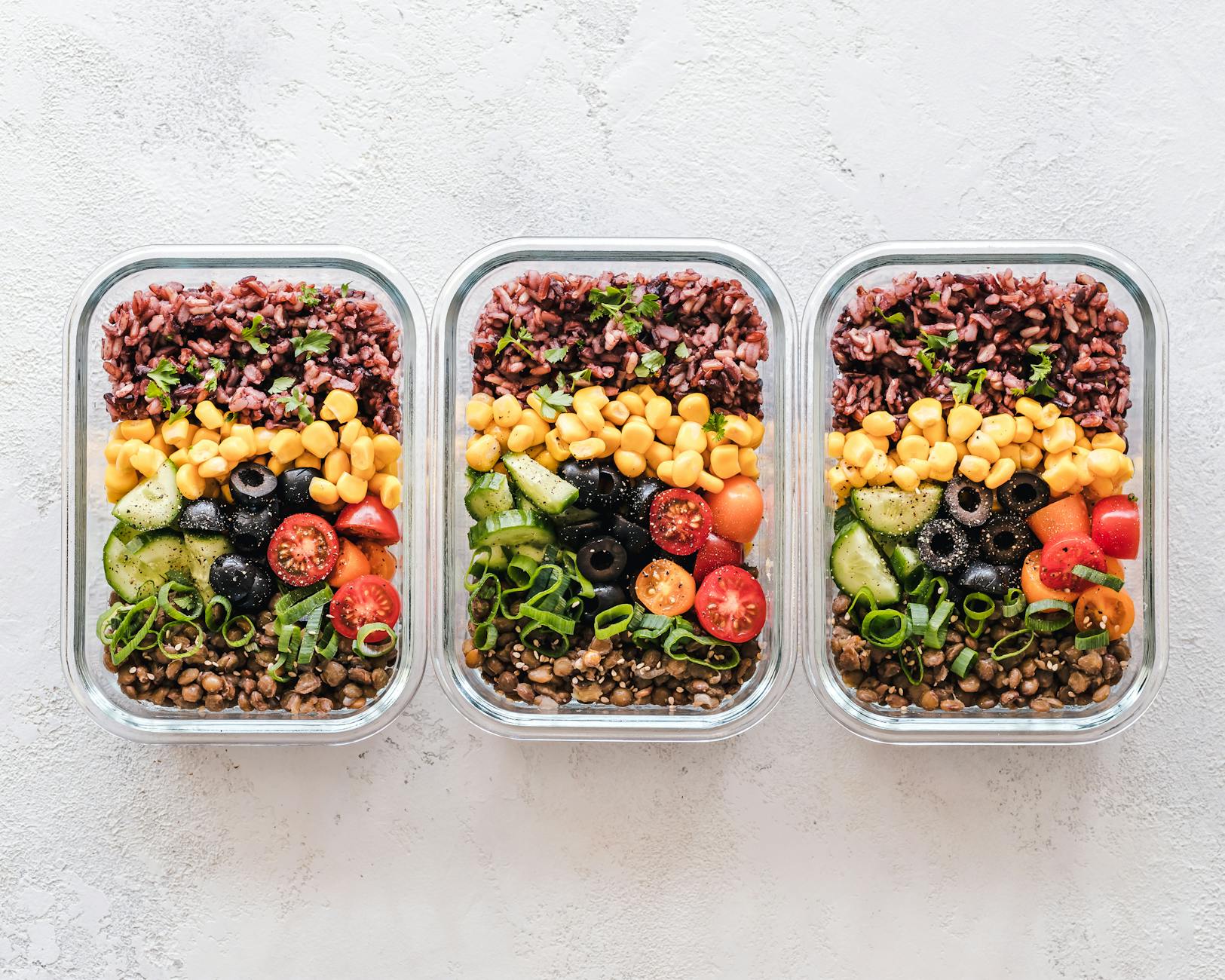
A meal plan for 3 days is a useful way to start when a full week feels like too much planning. This example includes breakfast, lunch, dinner, and a snack option, with measured portions and a shopping list that matches the menu. It is written for one adult, with simple instructions for scaling it.
The portions below are a starting example, not an instruction to stop eating when the listed food is finished. Choose meals that fit your preferences, allergies, budget, and health. The NIDDK guide to healthy eating explains how to build a varied eating pattern rather than relying on a single food or rigid menu.
| Day | Breakfast | Lunch | Dinner | Snack option |
|---|---|---|---|---|
| 1 | 60 g dry oats, 200 g plain yogurt, 120 g peeled banana | 120 g cooked chicken, 200 g cooked rice, 150 g cooked broccoli, 10 g olive oil | 120 g cooked chicken, 250 g raw potato, 200 g raw carrots, 10 g olive oil | 1 apple and 25 g almonds |
| 2 | Repeat breakfast | Repeat lunch | 200 g drained chickpeas, 200 g cooked rice, 150 g tomatoes, 50 g spinach, 10 g olive oil | 1 apple and 25 g almonds |
| 3 | Repeat breakfast | Repeat lunch | 2 eggs, 80 g whole-grain bread, 150 g tomatoes, 50 g spinach, 10 g olive oil | 1 apple and 25 g almonds |
On day one, cut the potato and carrots into small pieces, toss with the measured oil, and roast until tender. Add the cooked chicken and heat thoroughly. On day two, rinse the drained chickpeas, warm them with the rice and oil, and serve with tomatoes and spinach. On day three, cook the eggs with the spinach and measured oil, serve with toast and tomatoes, and cook the eggs to your preferred safe doneness. No special sauce is included in the shopping totals.
For breakfast, soak oats in water overnight or cook them with water, then add yogurt and banana when serving. If you use milk, sweetener, nut butter, or a sauce, add those ingredients to your own list. Small additions are easy to forget when translating a menu into shopping quantities.
These are amounts used, not mandatory package sizes. Pantry-check before shopping. Fresh produce weights are edible amounts, so buying a little extra may be necessary for peel, stalks, or trimming. Frozen broccoli is convenient; follow its cooking instructions and portion the cooked result.
| Ingredient | Amount used | Shopping note |
|---|---|---|
| Oats and yogurt | 180 g dry oats; 600 g plain yogurt | Three breakfasts |
| Fruit and nuts | 360 g peeled banana; 3 apples; 75 g almonds | Buy enough bananas for the edible weight |
| Chicken | 480 g cooked skinless chicken | Buy cooked chicken or about 700 g raw as a starting shopping estimate; yield varies |
| Rice | 800 g cooked rice | About 270 g dry may be enough, but follow your rice package and weigh the cooked batch |
| Vegetables | 450 g cooked broccoli; 250 g raw potato; 200 g raw carrots | Broccoli is the total for three lunches |
| Salad ingredients | 300 g tomatoes; 100 g spinach | Split between days two and three |
| Chickpeas | 200 g drained | Choose a can whose drained weight covers this amount |
| Eggs and bread | 2 eggs; 80 g whole-grain bread | Freeze unused bread if needed |
| Olive oil | 60 g | 10 g for each of six lunch/dinner servings |
The chicken arithmetic is 3 × 120 g for lunch plus 120 g for day-one dinner: 480 g cooked. Rice is 3 × 200 g for lunch plus 200 g for day-two dinner: 800 g cooked. Do not weigh the raw chicken or dry rice and log it as the cooked amount. If the batch yield is smaller, cook more or adjust the menu rather than assuming a fixed conversion.
Follow USDA guidance for leftovers: refrigerate promptly in shallow containers at 40°F (about 4°C) or below, within two hours of cooking, or one hour when the temperature is above 90°F (32°C). Use refrigerated leftovers within three to four days, or freeze them. Count from the original cooking date, not the day you assemble a bowl. Keep raw poultry separate from ready-to-eat foods.
Reheat cooked leftovers to 165°F (74°C) throughout. If you will not eat a portion within the storage window, freeze it promptly. A three-day meal prep plan only works when the food has been stored correctly from the beginning; smell alone is not a safety test.
For two adults, double the shopping amounts: 960 g cooked chicken, 1,600 g cooked rice, 360 g dry oats, and 1,200 g yogurt. This scales the menu, not everyone’s calorie needs. One person may need a bigger starch serving or an extra snack while another prefers smaller meals.
For another shopping approach, see ways to save money on groceries. If you need a measured calorie example, the 1700-calorie plan and 2100-calorie plan show how portions change the total; neither target is automatically right for you.
After day three, note what you actually ate, what remained, and which meal was inconvenient. Change one thing: a vegetable you did not enjoy, a lunch you could not reheat, or a breakfast that was too small. Keep the shared ingredients that worked. A short meal plan is easier to repeat when it reflects the week you really had.
If you want help planning meals around your preferences, try PlanEat AI on the App Store. Start with a realistic three-day menu and adjust it to your needs.
Yes. The menu and shopping quantities cover one adult for three days. Double the ingredients for two adults, then adjust individual portions to appetite and needs.
No. It is a practical menu template, not a calorie prescription. Add food or change portions to meet your own needs; a named meal alone does not establish daily nutrition.
You can prepare the chicken, rice, vegetables, and oats ahead if you cool and refrigerate them safely. Cook the egg dinner when you eat it, and keep bread and salad ingredients separate.
Replace the chicken meals with tofu, beans, or lentils and revise the shopping list. These swaps change protein and energy, so do not treat the same weight as nutritionally identical.
Compare the amount the menu uses with the package size. Use the remainder in another planned meal or freeze it where suitable; subtract ingredients already in your pantry before buying.
Repeat the meals you liked or rotate one protein and one vegetable. For a longer week, make a second prep batch or freeze later portions rather than extending refrigerator storage.
Start with three manageable days, shop from the quantities you will actually use, and adjust portions to your needs. Keep what worked and change only the meals you did not enjoy.
Start with three manageable days, shop from the quantities you will actually use, and adjust portions to your needs. Keep what worked and change only the meals you did not enjoy.