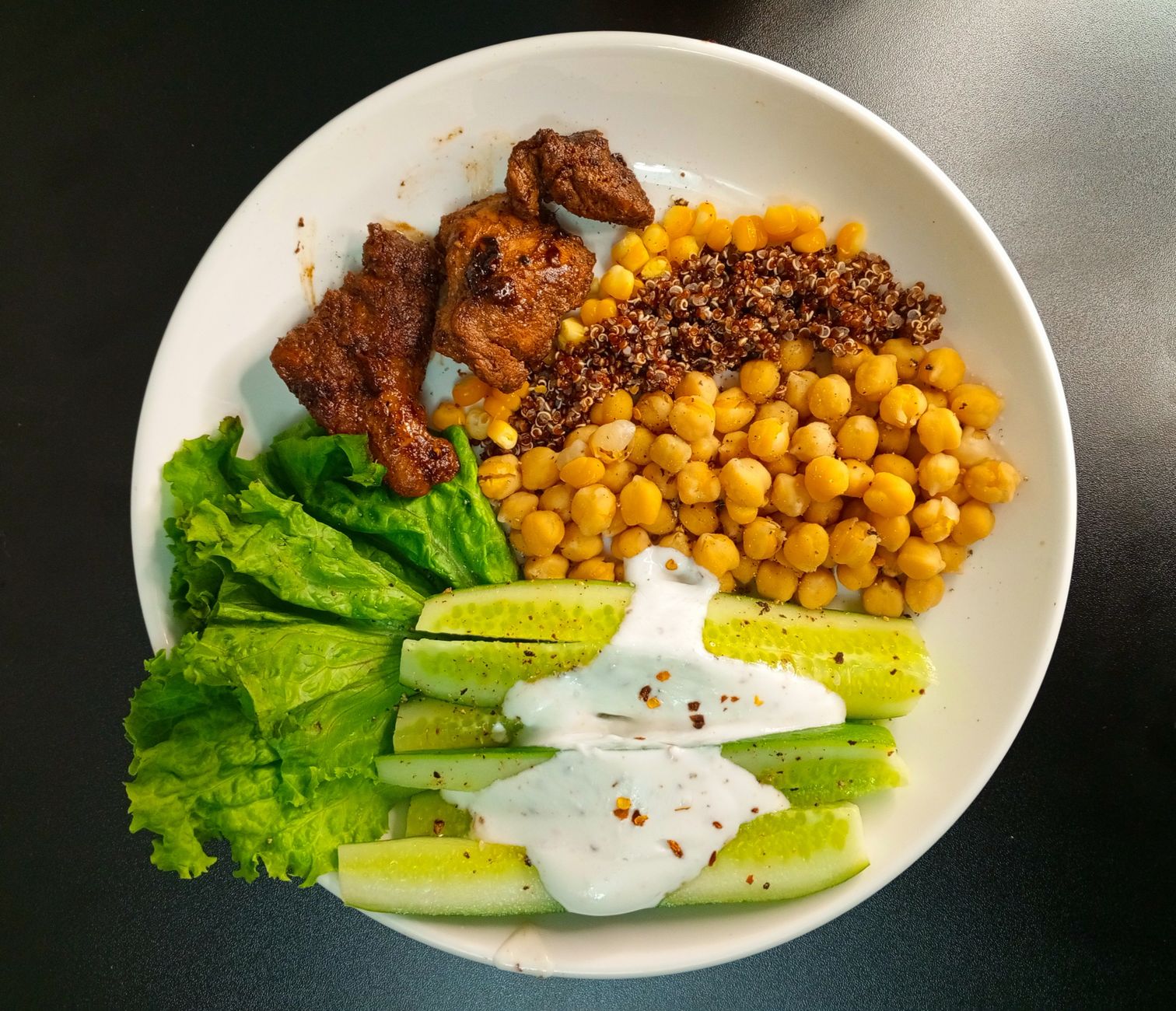

October 2, 2026
Create a meal plan in writing with a weekly template, grocery list flow, leftover strategy, and simple rules that keep dinner decisions easier now today.
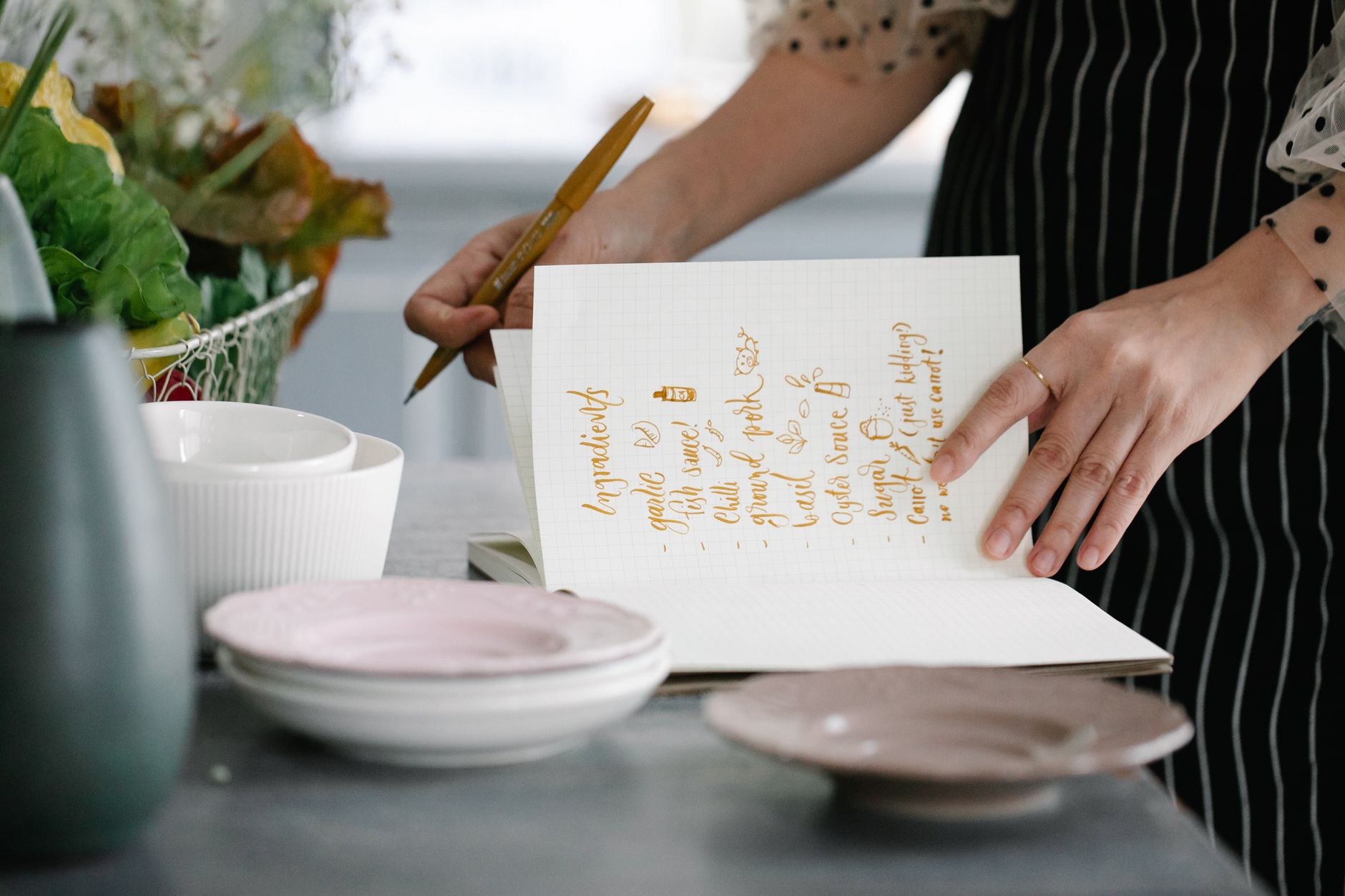
A meal plan in writing is a simple way to turn “what should we eat?” into a clear weekly decision. Instead of relying on memory, you map meals, ingredients, leftovers, and groceries before the week starts.
This guide shows how to write a meal plan, what to include, and how to use a practical weekly meal plan template that fits real US grocery shopping and real schedules.
A written meal plan works best when it covers the full week, not just dinner.
If you want a faster starting point, a basic calendar format can help you spot gaps before you shop. For a visual layout, see meal plan calendar ideas and pair them with a weekly grocery routine.
A written meal plan is more than a list of dinners. At minimum, it should show what you will eat across the week, which ingredients you need, and how leftovers fit into the schedule.
Most useful versions include a calendar view, a short ingredient list, and a grocery list meal plan section that groups produce, protein, pantry items, and refrigerated foods. That makes shopping faster and reduces random extra purchases.
A good written plan also shows flexibility. You do not need seven elaborate dinners; you need enough structure to avoid decision fatigue. If you are new to quick meal planning, start with just three to four repeat meals and use leftovers for the rest.
For better portion balance without overcomplicating things, it can help to use portion control made easy instead of trying to measure everything exactly.
Start by choosing your planning window. Most people do best with one week, because that matches typical grocery shopping and work schedules. Write down breakfast, lunch, dinner, and snacks only if you actually need them.
Next, pick a few anchor meals you already know how to make. Then place leftovers, takeout nights, or freezer meals on your busiest days. If you want a digital helper while you learn the process, PlanEat AI on the App Store can be used as one option for organizing a week more quickly.
From there, turn the menu into ingredients. Match each meal to what you already have, then add the missing items. The goal is a written meal plan that is easy to shop for and easy to follow, not one that looks perfect on paper.
A practical rule: if a meal needs more than 30 to 45 minutes on a busy night, schedule it for a slower day. That small adjustment is often the difference between a plan that sticks and one that gets ignored.
Use this weekly meal plan template as a starting point. It is designed to be simple, flexible, and easy to shop for in a US supermarket.
You can copy the structure into a notebook, notes app, or spreadsheet. The important part is keeping the format consistent so you can update it every week without starting over.
This is only a template, so swap foods based on budget, preferences, and what is seasonal. For ingredient ideas that fit the time of year, seasonal grocery shopping can help you choose produce that is usually easier to find and often better priced.
If your week is especially busy, build around a few repeat meals instead of trying to create new recipes every day. That approach is often easier to maintain than a highly detailed plan that needs constant editing.
A grocery list meal plan works best when the shopping list comes directly from the menu. Write down every ingredient you need, then group items by store section so shopping is faster and more complete.
A simple meal planning checklist keeps the plan practical. You are looking for enough food, not perfection, so check off the basics before you hit the store.
When you are ready to fill in the cart, start with the staples that appear in more than one meal. For a cleaner shopping process, see smart bulk buying and freezing and weekly grocery routine for ways to reduce waste and repeat ingredients more efficiently.
A good checklist also helps you avoid overbuying. If a recipe calls for an ingredient you will not use again, consider a simpler swap that fits another meal later in the week.
For templates that make a written plan easier to execute, use quick meal planning, weekly grocery routines, smart bulk buying and freezing, custom meal plan basics.
For neutral background, cross-check the nutrition and planning claims with Dietary Guidelines for Americans, Nutrition.gov healthy eating resources, CDC guidance on fruits and vegetables.
What should be included in a written meal plan?
Include the days of the week, meal times, recipes or simple meal ideas, leftovers, and a grocery list based on those meals.
How detailed should a meal plan in writing be?
Detailed enough to guide shopping and cooking, but not so detailed that it becomes hard to update. Short meal names and ingredient notes are usually enough.
Is a weekly meal plan template better than planning day by day?
Yes, for most people. A weekly format makes it easier to shop once, use leftovers well, and avoid last-minute food decisions.
What is the easiest way to start meal planning?
Pick three simple dinners, one breakfast you repeat, and one lunch you can pack twice. Then build the grocery list from those meals.
Should leftovers be part of the meal plan?
Yes. Leftovers save time, reduce waste, and make the plan easier to follow on busy days.
Do I need an app to write a meal plan?
No. A notebook or notes app is enough. An app can help if you want faster updates or a more organized weekly view.
A written meal plan works best when it is simple, specific, and easy to shop from. Start with one week, include leftovers, and build your grocery list directly from the menu. Over time, the format gets faster and more useful because you keep reusing what works.