1800 Calorie High Protein Meal Plan: 7-Day Menu Guide
1800 calorie meal plan high protein should answer one practical question: what do I eat, what do I buy, and how do I repeat it without making the week harder? This guide gives you a simple structure, a realistic menu, and a grocery flow you can adjust instead of starting from zero every Sunday.
It also covers related searches like 1800 calorie high protein meal plan, high protein 1800 calorie menu, 1800 calorie meal plan menu, protein meal prep, macro meal plan. The goal is not a perfect plan; it is a plan that survives work, family schedules, leftovers, and the 5 p.m. fridge moment.
TL;DR
- Start with a repeatable meal structure before choosing recipes.
- Anchor each meal with protein, fiber-rich carbs, vegetables, and a measured fat source.
- Use a grocery list built from meals, not random healthy intentions.
- Prep components, not just finished meals, so swaps are easy.
Who This Plan Works Best For
This plan is best for someone who wants a concrete menu but still needs room for substitutions. If you travel, eat out often, cook for several people, or have appetite swings, the plan should act like a default path rather than a rigid rulebook.
The biggest mistake is planning for a fantasy version of the week. A useful plan respects time, dishes, food preferences, and the number of times your future self will be willing to chop onions.
A practical protein range is 125-155g per day for many adults, but the right target depends on body size, training, medical history, and appetite.
Meal Structure and Sample Menu
Use the table as a starting point, then repeat the meals that work. Most successful plans rely on boring execution: a few proteins, a few carbohydrates, two or three vegetables, and sauces that make leftovers feel different.
| Slot | Meal idea | Prep note |
|---|---|---|
| Breakfast | 414 cal protein breakfast | Eggs, Greek yogurt, tofu scramble, or protein oats |
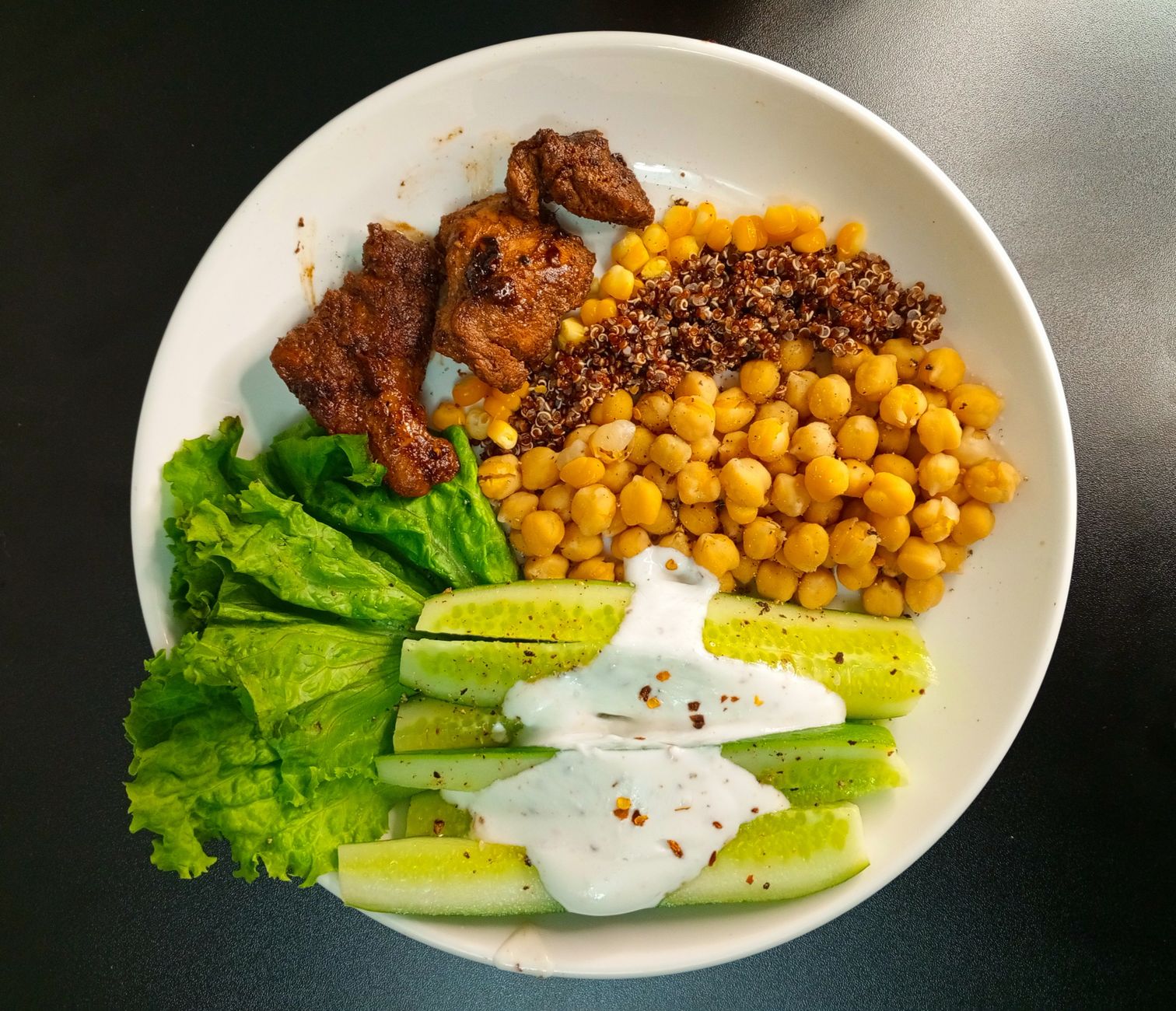
| Lunch | 540 cal lunch bowl | Lean protein, high-fiber carb, vegetables, measured fat |
| Snack | 216 cal snack | Fruit plus cottage cheese, hummus, or edamame |
| Dinner | 630 cal dinner | Protein, vegetables, starch adjusted to calorie target |
For lower-calorie plans, keep vegetables and lean protein steady before removing carbs. For higher-protein or training-focused plans, place more carbs around workouts and keep dinner satisfying enough that snacks do not take over the night.
Grocery List
Build the grocery list from the menu instead of shopping from mood. The easiest version is one breakfast default, two lunch bases, three dinner bases, two snacks, and one emergency freezer option.
- eggs or tofu
- Greek yogurt or soy yogurt
- beans or lentils
- leafy greens
- frozen vegetables
- berries or apples
- rice, oats, potatoes, or quinoa
- olive oil or avocado
- salsa, herbs, and low-sugar sauces
- one freezer backup meal
Before checkout, scan for duplicate ingredients. If three meals use greens, buy one larger box. If two meals use rice, cook one batch. This is how planning meals in advance helps control portions and waste at the same time.
If the hard part is turning these choices into a week you can actually shop for, PlanEat AI on the App Store can turn preferences, budget, and schedule into a practical weekly plan.
How to Adjust the Plan
Adjust the plan by changing one variable at a time. If calories are too low, add a serving of oats, rice, potatoes, beans, olive oil, avocado, nuts, or yogurt. If calories are too high, reduce added fats and starch portions before removing protein or vegetables.
For protein-focused plans, keep the protein anchor steady at breakfast, lunch, and dinner. For plant-based or vegetarian plans, combine legumes, soy foods, dairy or fortified alternatives, seeds, and whole grains so the plan does not depend on one food doing all the work.
For family plans, use the same meal base and scale portions at the plate. One person may need more rice, another may need more vegetables, and a child may need a simpler sauce. The system is shared; the serving sizes do not have to be identical.
Common Mistakes to Avoid
- Planning seven brand-new dinners when three repeatable dinners would work better.
- Buying produce without assigning it to a specific meal.
- Cutting calories so low that hunger drives late-night snacking.
- Ignoring sauces, oils, nuts, drinks, and bites while cooking.
- Forgetting a backup meal for the night when the plan breaks.
A strong meal plan is not judged by how impressive it looks on paper. It is judged by whether you can shop for it, cook it, eat it, and repeat it without feeling like dinner has become a second job.
At the end of the week, run a five-minute review: which meal got eaten fastest, which ingredient spoiled, which prep step saved time, and which dinner created complaints. Keep the first two winners, remove the worst friction point, and rebuild next week from that evidence. This is how a plan compounds instead of becoming another abandoned template.
For related planning systems, use protein goal planning, weekly grocery routines, custom meal plan basics, portion control without a scale.
For neutral nutrition background, compare this plan with MedlinePlus guidance on dietary protein, Dietary Guidelines for Americans, CDC guidance on fruits and vegetables.
FAQ
Is 1800 calorie meal plan high protein good for everyone?
No. It is a planning template, not a medical prescription. Adjust calories, portions, sodium, fiber, and food choices around your health history and appetite.
Can I meal prep this plan?
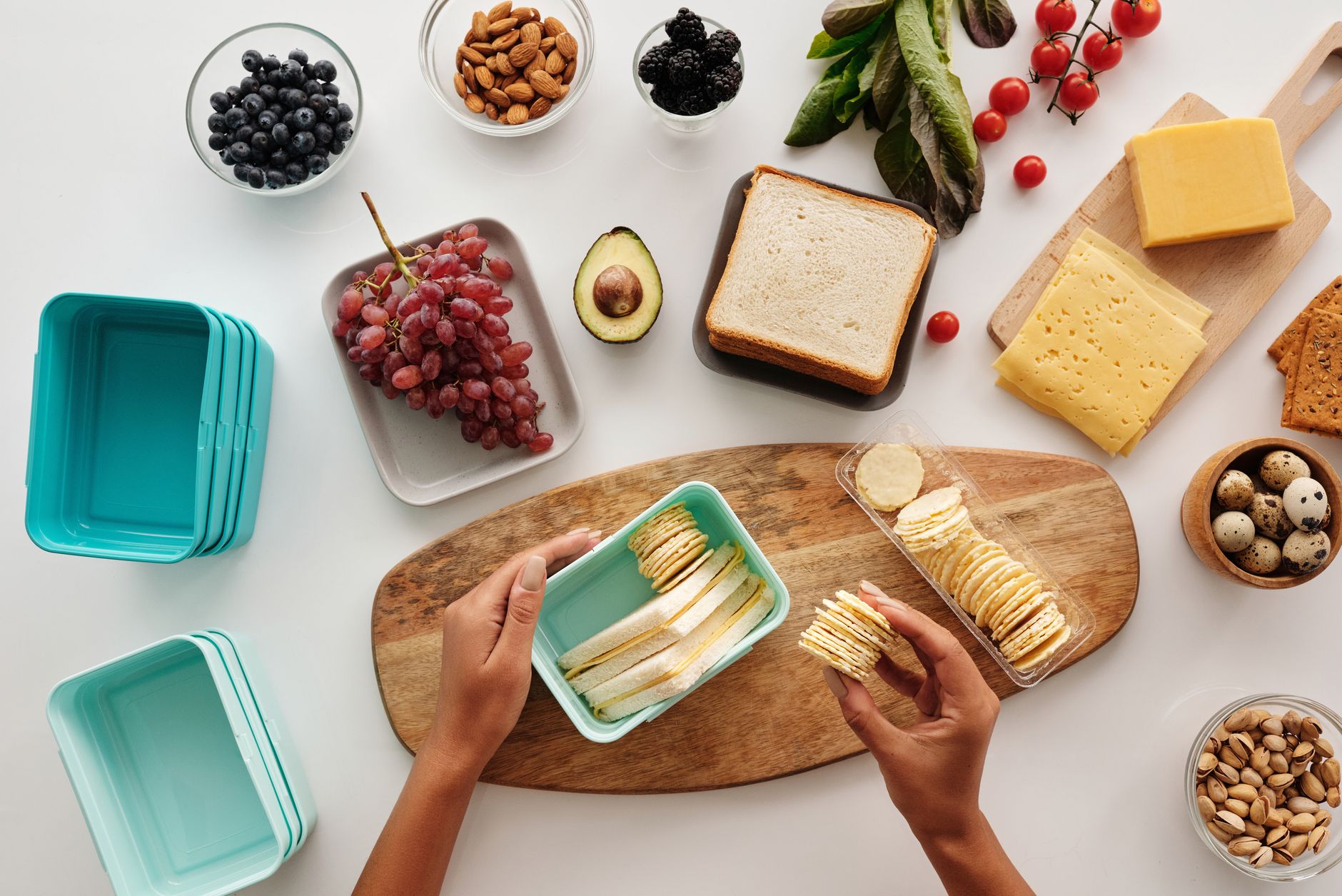
Yes. Prep the protein, grain or starch, chopped vegetables, and one sauce first. Assemble meals later so the week does not feel like identical containers.
How do I change the calories?
Change the starch and fat portions first. Add or remove rice, oats, potatoes, oil, avocado, nuts, or sauces while keeping protein and vegetables steady.
What if I get hungry?
Add high-fiber vegetables, fruit, beans, or a lean protein snack before cutting the plan. Hunger is feedback, not a character flaw.
Can families use this?
Yes, but do not force every person into the same portion. Use the same meal base and scale serving sizes for adults, teens, and kids.