October 1, 2026
Use this Nordic diet 7 day meal plan to build a practical week of rye, berries, fish, roots, and simple swaps that keep the pattern realistic anywhere.
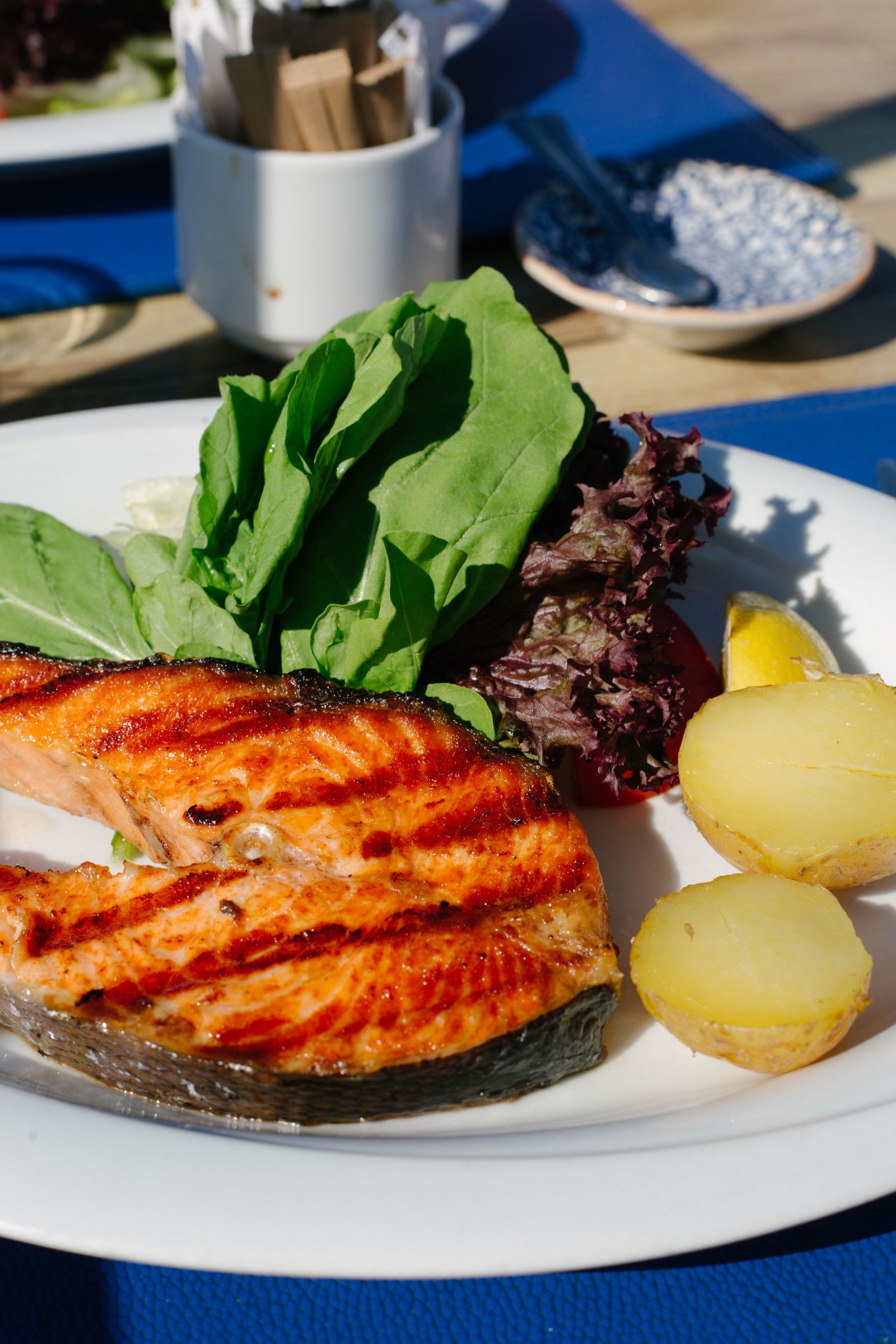
A nordic diet 7 day meal plan is a practical week built around the foods that show up again and again in Nordic-style eating: rye and oats, berries, root vegetables, legumes, fish, fermented dairy, and simple home-cooked meals. The useful version is not a cosplay of Scandinavia. It is a realistic template you can follow anywhere with local swaps.
If you searched for a nordic diet meal plan 7 days guide, the overlap across current top results is clear: people want the rules, the staple foods, a realistic menu, what to buy, what to substitute, and whether this pattern actually helps with health or weight goals. This guide covers all of that without pretending you need a suitcase full of lingonberries.
The Nordic diet is less about a single branded protocol and more about a food pattern: more whole plant foods, more fish, less refined junk, and a stronger connection to seasonal ingredients. The Nordic Nutrition Recommendations 2023 still point toward a dietary pattern high in vegetables, fruits, berries, legumes, fish, and whole grains, with lower amounts of processed meat and highly refined foods. Recent evidence reviews, including a 2022 systematic review and meta-analysis, also suggest that Nordic-style eating patterns are associated with better cardiometabolic outcomes when the diet is built from actual staples rather than generic “healthy” buzzwords.
That is why this style of eating keeps getting compared with the Mediterranean diet. Both patterns reward whole foods, fiber, seafood, and simple home cooking. The difference is flavor and geography. A nordic diet meal plan usually leans on oats, rye bread, barley, potatoes, cabbage, carrots, beets, apples, pears, berries, and cold-water fish instead of olive-oil-heavy Southern staples.
If you want a refresher on how those meals should look on the plate, Healthy Eating Basics: Build a Balanced Plate is a useful companion before you start customizing the week.
The easiest way to run a nordic diet food list in real life is to think in repeatable ingredient buckets instead of niche recipes.
The best part is that this pattern does not need perfect authenticity. If your grocery store has oats, root vegetables, frozen berries, canned fish, plain yogurt, lentils, and rye-style whole-grain bread, you already have most of the structure. That makes it easier to plan than people expect, especially if you follow a short grocery routine like Quick Meal Planning: Build a 30-Minute Weekly Plan.
A nordic diet for weight loss or general health is not built on magic Scandinavian metabolism. It works for the same boring reason good food systems usually work: more fiber, more protein structure, more whole foods, and less friction from hyper-processed meals. If you want a clinician-friendly overview of the same pattern, Cleveland Clinic has a straightforward primer on what the Nordic diet includes and why it is often compared with Mediterranean eating.
What gets smaller or less frequent:
Compared with Mediterranean eating, the Nordic pattern usually swaps olive oil dominance for rapeseed or canola oil, emphasizes rye and oats more heavily, and uses more root vegetables, cabbage-family produce, and cold-climate fruits. If you already like Mediterranean shopping habits, Meal Planning for Busy Professionals still applies here because the weekly structure matters more than the passport of the recipe.
This nordic diet meal plan 7 days keeps the core pattern intact without requiring specialty stores. Portions can be adjusted to your appetite and activity level.
If you want to turn these staples into a personalized grocery flow instead of rebuilding the week by hand, Try PlanEat AI on the App Store to generate a weekly plan around your calorie target, dislikes, cooking time, and swap preferences while keeping the overall pattern intact.
The biggest reason people abandon a 7 day nordic diet plan is assuming it only works with exact regional products. It does not.
You do not need a perfect cultural reenactment. You need the same operating system: whole grains, roots, berries, legumes, fish, simple dairy, and fewer refined defaults. That is also why service-style planning pages like Meal Planner App and Diet Plan Meal Planner fit naturally with this topic. The pattern matters more than chasing novelty.
A solid nordic diet meal plan gets much easier when the grocery cart has overlap.
Prep rules that save the plan:
That kind of overlap is what keeps the week from turning into a food-themed scavenger hunt. It also lowers cost, which is one advantage people often miss when they assume this style of eating is automatically expensive.
The best Nordic diet plan is not the most authentic one on paper. It is the one that keeps the pattern intact: more whole grains, more berries and roots, more fish and legumes, fewer ultra-processed defaults, and enough repetition to survive a normal week.
It can be, mostly because the pattern emphasizes fiber-rich, minimally processed foods that often improve fullness and reduce mindless eating. Weight loss still depends on the full weekly pattern, not the label alone.
Both focus on whole foods, seafood, and plants, but the Nordic pattern leans more on rye, oats, root vegetables, berries, and rapeseed or canola oil, while Mediterranean eating leans more on olive oil, legumes, tomatoes, and Southern flavor profiles.
No. This nordic diet meal plan still works with substitutions like Greek yogurt for skyr, blueberries for lingonberries, and sardines or canned salmon when fresh fish is not practical.
Yes. Use lentils, split peas, beans, tofu, eggs, and fermented dairy while keeping the same emphasis on whole grains, berries, root vegetables, and simple home-cooked meals.
Try to keep heavily processed snacks, sweet drinks, refined grains, and processed meats smaller or less frequent. The pattern works best when staple foods do most of the weekly lifting.
The best Nordic diet plan is not the most authentic one on paper. It is the one that keeps the pattern intact: more whole grains, more berries and roots, more fish and legumes, fewer ultra-processed defaults, and enough repetition to survive a normal week.