
October 2, 2026
Learn how to build a simple 3-day meal rotation that saves time, cuts decision fatigue, and makes weeknight dinners easier to manage.
A 3-day meal rotation is a repeating set of breakfasts, lunches, and dinners that you cycle through across the week. Instead of planning seven separate days, you only make a few smart choices and reuse them with small changes.
This approach works well for people who want more structure without a strict meal plan. If you already use templates like a default weekly menu or flexible meal planning, a 3-day rotation is the next practical step.
The main benefit is less decision fatigue. You spend less time asking, “What’s for dinner?” and more time actually cooking, eating, and moving on with your evening.
It also helps with grocery shopping because your list gets smaller and more predictable. That can make it easier to compare options using tips from grocery list structure and money-saving tips.
Start by choosing three dinners that are easy to repeat and use overlapping ingredients. A good rotation usually includes one sheet-pan meal, one skillet meal, and one quick assembly meal.
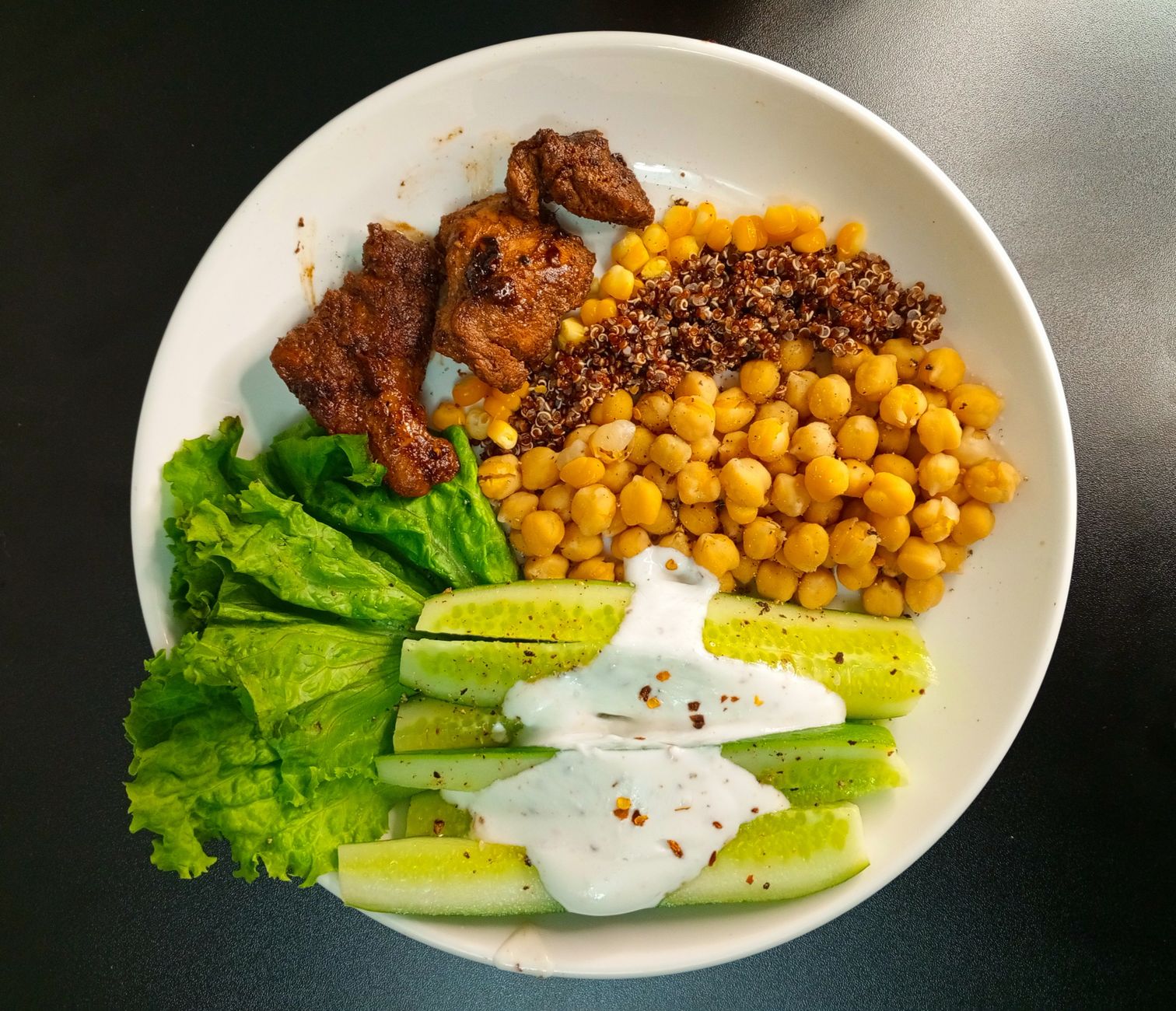
Keep the ingredients similar enough that leftovers actually get used. For example, chicken, rice, beans, pasta, yogurt sauce, and frozen vegetables can stretch across many meals without feeling repetitive.
Next, match your breakfasts and lunches to the same level of simplicity. A few reliable options, like yogurt bowls, egg toast, or grain bowls, can keep the whole week easier to manage.
If you need a quick framework, balanced breakfast templates and balanced dinner templates can help you choose meals faster.
Choose meals you already know how to cook well. The best rotation is usually built from familiar recipes, not complicated ones you only make once.
If you like batch cooking, you can also borrow ideas from meal prep basics to make the rotation more efficient.
Try to share protein, produce, and sauces across multiple meals. That keeps shopping simpler and lowers the chance that food gets forgotten in the fridge.
For example, one sauce can work on bowls, wraps, and roasted vegetables. Frozen vegetables and canned beans are especially useful for this style of planning.
Every rotation should include one low-effort backup meal for busy nights. This could be a frozen dinner plus salad, a microwave rice bowl, or a 10-minute pasta dish.
If your schedule changes often, ideas from emergency meals for busy nights can keep the plan realistic.
Here is one easy example: Day 1 can be tacos or taco bowls, Day 2 can be chicken and rice with vegetables, and Day 3 can be pasta with a protein and side salad. Then repeat or swap one meal next week.
This kind of structure works because the meals feel different enough, but they still share ingredients. That means less waste, fewer recipes, and a shorter grocery list.
You can also adjust the pattern to fit your goals. A higher-protein version might use Greek yogurt, lean meat, tofu, or beans more often, while a budget version can lean harder on eggs, rice, oats, and frozen produce.
For more ideas on building around nutrient balance, see healthy eating basics and healthy eating on a budget.
If you prefer to keep your week even more streamlined, combine this method with weeknight rotation planning and a short grocery list.
A rotation only works if it stays flexible. If one meal stops feeling practical, replace it with a similar option instead of rebuilding the whole week from scratch.
That is why many people pair rotation planning with tools that generate menus and lists quickly. If you use an app for that, PlanEat AI can help turn a few meal choices into a usable plan.
You can also protect your routine by keeping a few pantry and freezer basics on hand. Frozen vegetables, canned beans, rice, oats, and pasta make it much easier to recover from a missed shopping trip.
For extra support, these guides can help: smart bulk buying and freezing, frozen produce hacks, and low-effort healthy eating.
You do not need identical meals every week. Keep the format the same and swap ingredients based on season, budget, or what is already in your kitchen.
That small amount of variety helps the routine stay sustainable without adding much extra planning.
Plan one meal that intentionally creates leftovers for lunch or the next dinner. This helps reduce cooking time later in the week and keeps food from going to waste.
Leftovers work best when the flavors are simple and the ingredients are easy to separate and repurpose.
Q: What is the main advantage of a 3-day meal rotation?
A: It reduces daily decision-making while still giving you enough variety to avoid boredom.
Q: How many meals should I repeat?
A: Start with three dinners, then add a few repeat breakfasts and lunches if that makes shopping easier.
Q: Is a 3-day rotation good for families?
A: Yes, especially if you choose meals that can be customized with toppings, sides, or portions.
Q: Can I use a rotation if I eat out sometimes?
A: Yes, just leave one or two slots open and treat them as flexible meals or backup nights.
Q: What foods work best in a rotation?
A: Ingredients that store well and mix easily, like rice, pasta, eggs, beans, chicken, tofu, yogurt, and frozen vegetables, usually work best.
A 3-day meal rotation is a practical way to simplify weeknights without giving up flexibility. Start with a few meals you already like, reuse ingredients, and keep one backup option ready. The goal is not perfection; it is making dinner easier to decide, shop for, and cook.